
How does injection molding work?
author: WanHan Technology
2023-12-15
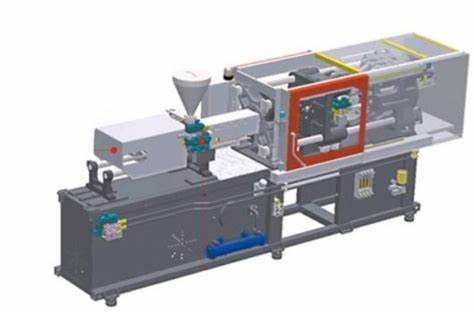
Injection molding is a sophisticated and widely employed manufacturing process that has revolutionized the production of plastic parts across various industries. Understanding the intricacies of how injection molding works provides valuable insights into the efficiency and precision involved in creating a diverse range of products. This article delves into the fundamental principles, process steps, and applications of injection molding.
The Basics of Injection Molding: At its core, injection molding involves the transformation of raw plastic material into a specific shape by injecting it into a mold under high pressure. The process begins with the careful selection of plastic resins, each chosen for its unique properties such as strength, flexibility, and heat resistance.
The Injection Molding Process:
Material Preparation:
Raw plastic material, usually in the form of pellets or granules, is fed into the injection molding machine.
The material is heated to a molten state, ensuring it is in a fluid and workable form.
Injection:
The molten plastic is injected into a mold cavity through a specialized nozzle.
High pressure is applied to force the material to conform to the shape of the mold.
Cooling and Solidification:
Once the mold is filled, the molten plastic is allowed to cool and solidify within the mold cavity.
Proper cooling is crucial for achieving the desired structural integrity and preventing warping.
Ejection:
After solidification, the newly formed plastic part is ejected from the mold.
The mold is then ready for the next injection cycle.
Precision and Control: Injection molding offers unparalleled precision and control over the manufacturing process. Parameters such as temperature, pressure, and cooling time are meticulously monitored to ensure consistency in part quality and dimensional accuracy. This level of control makes injection molding suitable for producing intricate and complex parts.
Applications of Injection Molding: The versatility of injection molding makes it a go-to method for manufacturing a vast array of products across industries, including:
Consumer goods (e.g., containers, toys)
Automotive components (e.g., dashboards, bumpers)
Medical devices (e.g., syringes, casings)
Electronic components (e.g., connectors, housings)
Advantages of Injection Molding:
High production efficiency and speed.
Cost-effective for large-scale production.
Ability to create complex and detailed parts.
Consistent and repeatable results.
Conclusion:
Understanding how injection molding works unveils the precision and technology behind this essential manufacturing process. From material preparation to ejection, each step requires careful consideration to ensure the production of high-quality plastic parts. As technology continues to advance, injection molding remains at the forefront of innovation, driving efficiency and shaping the future of manufacturing.
How much do injection molds cost?
How to make an injection mold
Related Article
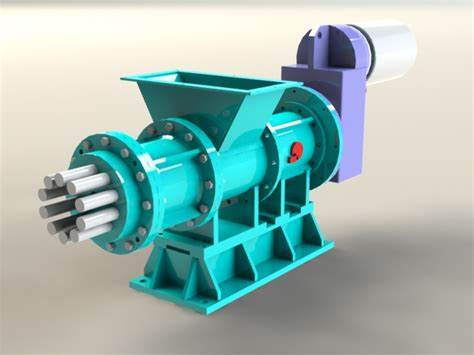
Extrusion molding is a precise and efficient processing method widely used in plastics, metals, rubber and other fields. Through this process, raw materials are cleverly deformed and regulated, and finally become the prototypes of various products. This article will take an in-depth look at the principles, processes and applications of extrusion in different industries.
What is extrusion molding?
SEND MESSAGE