
How much do injection molds cost?
The cost of injection molds is a critical consideration in the manufacturing process of plastic components. It's a multifaceted aspect influenced by various factors, each playing a pivotal role in determining the overall expense. In this article, we'll delve into the key components that contribute to the cost of injection molds, providing insights into the complexities of pricing in this vital manufacturing realm.
1. Mold Complexity and Design: The intricacy of the mold design is a fundamental factor influencing the cost. Complex designs with intricate features, undercuts, or multi-cavity molds require more time and precision in the manufacturing process, consequently increasing the overall cost.
2. Material Selection for the Mold: The choice of material for constructing the mold significantly impacts the cost. High-grade materials, such as hardened steel, are more durable and have a longer lifespan, but they also come at a higher price. Conversely, aluminum molds may be more cost-effective for certain applications but might have a shorter lifespan.
3. Mold Size and Complexity: The physical size of the mold and the complexity of its structure contribute to the overall cost. Larger molds require more material and machining time, while intricate molds demand additional precision in manufacturing, affecting both labor and material costs.
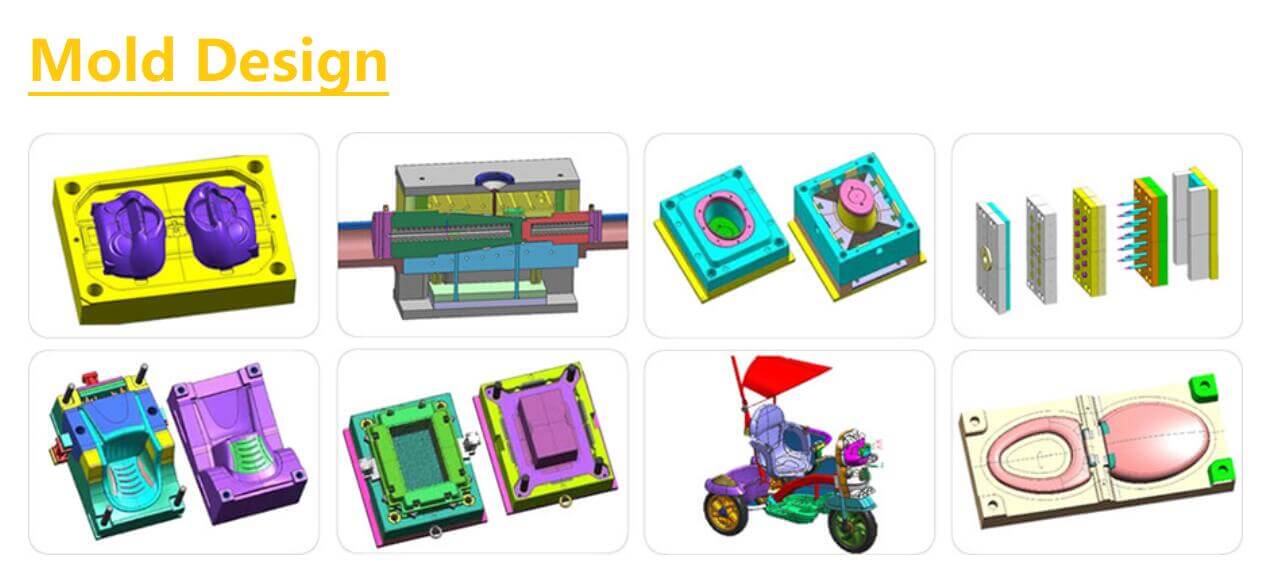
4. Tolerance and Surface Finish Requirements: Stringent tolerance requirements and demanding surface finish specifications add to the complexity of the manufacturing process. Achieving tight tolerances or mirror-like finishes requires advanced machining techniques and meticulous attention to detail, leading to an increase in costs.
5. Quantity and Production Volume: The anticipated production volume plays a significant role in determining mold costs. High-volume production molds are typically more expensive due to the need for durable materials and precise machining. Conversely, molds for low-volume production may be more cost-effective but still require careful consideration of design and materials.
6. Lead Time and Urgency: The urgency with which a mold is needed can impact costs. Shorter lead times may require accelerated production schedules, overtime work, or expedited shipping of materials, all of which contribute to increased expenses.
7. Complexity of Mold Features: Additional features such as slides, lifters, or unscrewing mechanisms increase the complexity of the mold and, subsequently, the cost. These features are essential for molding parts with intricate shapes or specific functionalities.
8. Maintenance and Lifespan: Considering the lifespan of the mold is crucial. While higher-quality materials may increase the initial cost, they often result in a longer lifespan and reduced maintenance requirements, potentially offering cost savings over the mold's entire operational life.
Conclusion: Understanding how much injection molds cost involves a careful evaluation of various factors, each influencing the final price tag. Manufacturers must balance considerations of design complexity, material selection, production volume, and other variables to arrive at a cost-effective solution. As the industry continues to evolve, optimizing the balance between cost and quality remains a key challenge, driving innovation in injection mold manufacturing.
How much does a plastic injection mold cost?
How does injection molding work?
Related Article



