
The Production Process of Plastic Polymer Pellets: A Step-by-Step Guide by Guangdong Wanhan
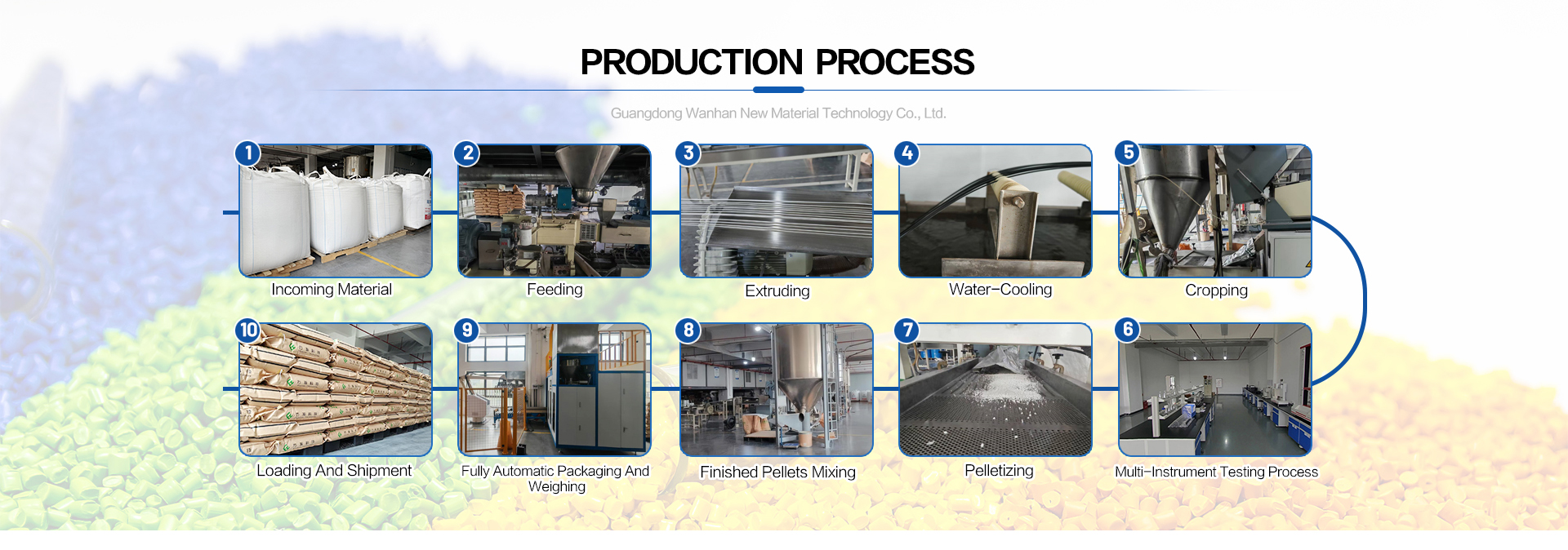
A Look Inside Guangdong Wanhan's Production Process
In the competitive world of new material manufacturing, precision, consistency, and quality are not just goals—they are prerequisites. At Guangdong Wanhan New Material Technology Co., Ltd., these principles are embedded into every stage of a meticulously designed production process. From raw material to ready-to-ship product, each step is engineered for maximum efficiency and superior output.
For industry insiders and clients alike, understanding this process is key to appreciating the value behind the product. Here’s a detailed breakdown of how Wanhan transforms raw ingredients into high-performance material pellets.
1. Incoming Material
It all starts here. Incoming materials are checked against the requirements of the planned formulation. For purchasing qualification, ask which identification, inspection and storage controls apply to your grade.
2. Feeding
Precision feeding systems carefully meter the raw materials into the production line. Accuracy at this stage is crucial for maintaining formulation consistency and ensuring the desired properties of the final product.
3. Extruding
The heart of the process. Materials are melted, homogenized, and extruded under tightly controlled temperatures and pressures. This phase is where the raw formulation begins its transformation into a new material with enhanced characteristics.
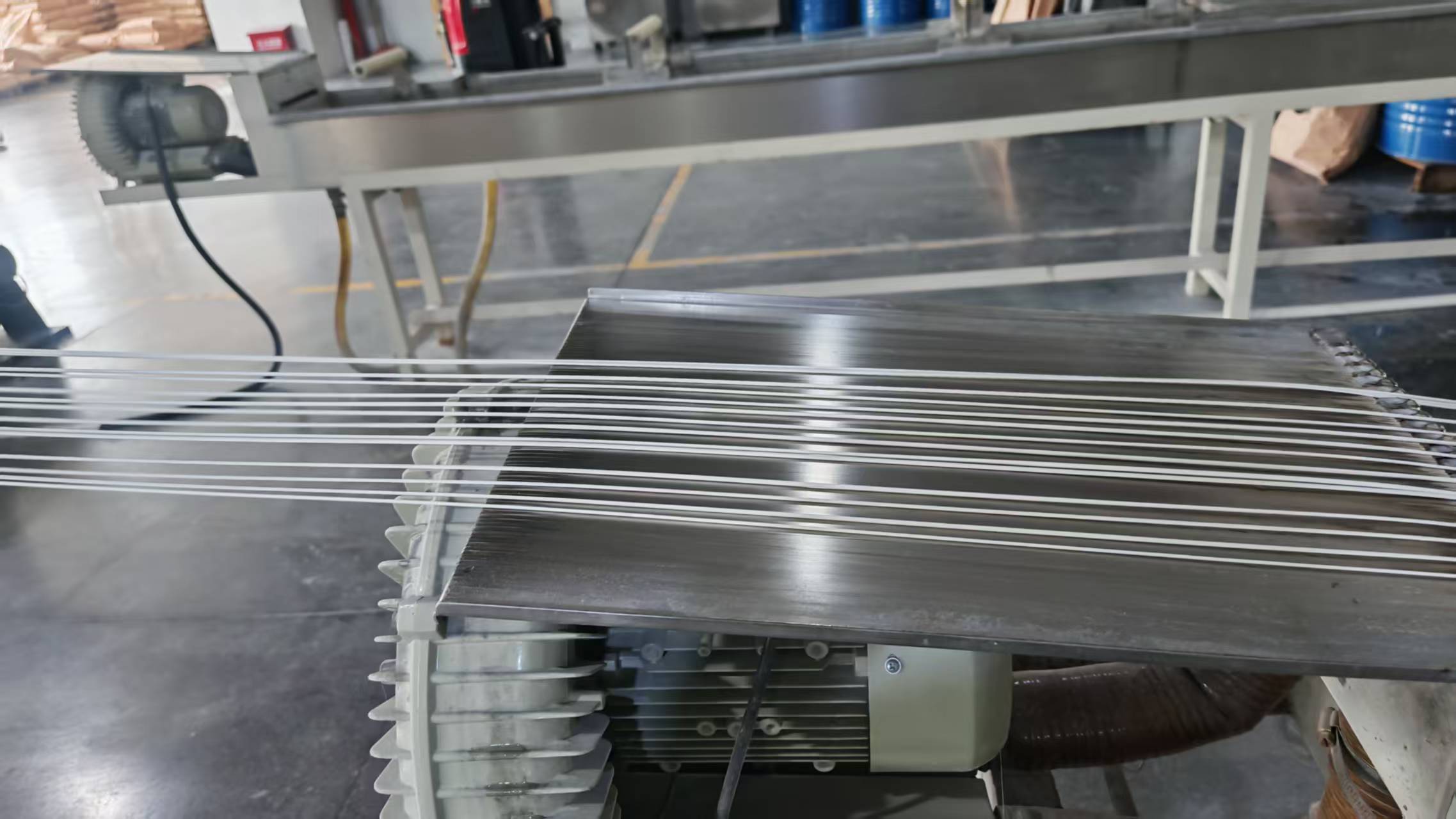
4. Water-Cooling
Freshly extruded material is rapidly cooled using advanced water-cooling systems. Cooling prepares the strands for the subsequent pelletizing stage. Conditions depend on the material and production setup.
5. Cropping
The cooled extrudate is precisely cut into uniform pellets. Consistency in size and shape at this stage is vital for downstream processing and application performance.
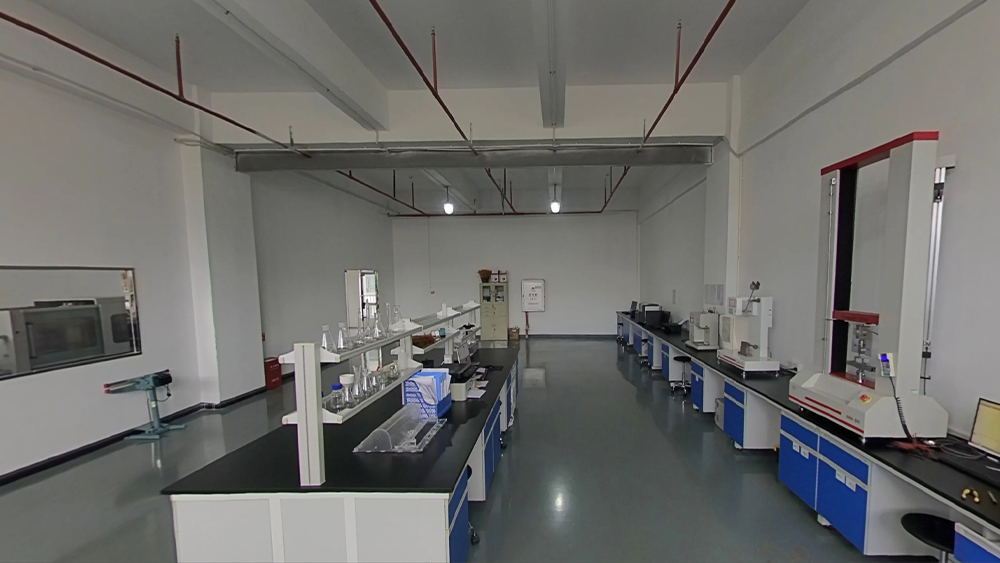
6. Multi-Instrument Testing Process
The laboratory supports material evaluation. Depending on the grade and agreed inspection plan, relevant checks may include melt flow, density and mechanical properties. Confirm the applicable methods, specimen conditioning, sampling frequency and acceptance limits before ordering.
7. Finished Pellets Mixing
Finished-pellet mixing is part of the workflow shown in Wanhan’s production materials. The mixing and inspection requirements should be agreed for the specific formulation and order.
8. Fully Automatic Packaging and Weighing
Automated systems pack the finished pellets into designated containers with exact weight measurements. This reduces human error, enhances packaging speed, and ensures traceability and cleanliness.
9. Loading and Shipment
The final step: carefully palletized products are loaded and prepared for dispatch. Confirm packing, shipping terms, destination and the delivery schedule for the specific order.
Why It Matters
Guangdong Wanhan’s commitment to a seamless, controlled production workflow isn’t just about operational efficiency—it’s about delivering reliability. For a sourcing decision, connect the proposed grade to its technical data, the agreed inspection plan and the shipment documentation. A factory photograph explains a process stage; it does not establish a numerical production capacity or a product performance guarantee.
Whether you're in automotive, consumer electronics, industrial components, or any sector that depends on high-performance materials, understanding how your supplier operates can be the difference between good and great.
At Wanhan, excellence isn’t an accident—it’s a process.
Let's discuss how we can support your project. Contact our specialists today.
Management Systems and Supplier Qualification
Wanhan’s certificate copies identify Guangdong Wanhan New Material Technology Co., Ltd. and cover the design and production of modified plastic pellets under ISO 9001:2015, with related environmental management under ISO 14001:2015 and occupational health and safety management under ISO 45001:2018. Buyers should request current certificate copies and check the certified scope and status as part of supplier qualification.
These management-system certificates do not replace grade-specific technical data or evidence for requirements such as flame retardancy, restricted substances or an end-use approval. Specify the exact grade and color when requesting documentation.
Prepare Your Compound Inquiry
To discuss a suitable compound, send the polymer family or reference grade, application, processing method, target properties, color, required compliance documents and estimated order quantity. Drawings, sample parts and test criteria help define the evaluation. Confirm sample arrangements, MOQ, price and lead time for the actual project.
Contact Wanhan about your material requirements.
Frequently Asked Questions
What information should I provide for a plastic compound inquiry?
Provide the polymer family or reference grade, application, processing method, target properties, color, regulatory requirements and estimated order quantity. Include the part drawing or test criteria where available. Sample arrangements, MOQ and lead time need confirmation for the specific project.
Which quality documents should a buyer request?
Request the current management-system certificates, the technical data sheet for the proposed grade, and the agreed test methods and acceptance limits. Ask whether a batch-specific certificate of analysis and relevant compliance documents can be supplied for the exact grade and color.
Does ISO 9001 certification approve every plastic grade for my application?
No. ISO 9001 concerns the quality management system. Product performance, regulatory compliance and suitability for an application must be checked separately for the exact grade, color, processing conditions and end-use requirements.
How should a buyer validate a compound before placing a production order?
Agree on the candidate grade, target properties and test methods with the supplier. Evaluate a representative sample under the intended molding conditions, then check the resulting parts against dimensional, mechanical and end-use requirements. Record the approved grade, color and acceptance criteria before confirming the production order.
PBT vs PET: Material Differences for Engineering Parts
How to design the shape and size of products in mold design?
Related Article



