
What is flame retardant polypropylene pellet?
author: WanHan Technology
2023-11-09
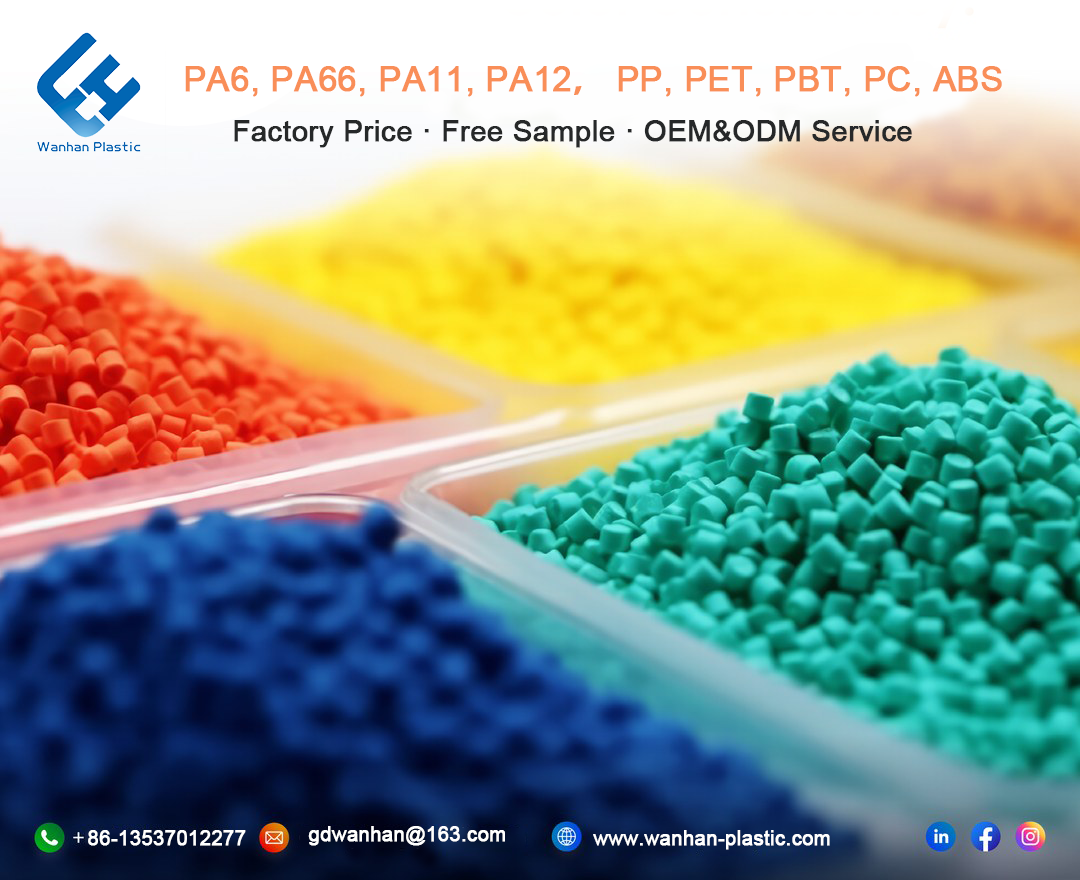
Polypropylene (PP), as one of the most versatile plastics with a large output, is widely used in the automotive industry, building materials, electrical materials and packaging materials because of its excellent mechanical properties, low production costs, good processing and molding properties, and good chemical barriers. However, because it is extremely flammable, and melt dripping will occur during the combustion process, the calorific value is high, and it is difficult to extinguish, and there is a tendency to accelerate the spread of fire, so it limits its application in more fields. Therefore, it is of great significance to improve its flame retardancy.
How can polypropylene reach the flame retardant level, so as to improve the safety and environmental protection of the product?
Generally, the flame retardant grade is increased by adding flame retardants. With the improvement of people's quality of life and the gradual enhancement of environmental awareness, halogen-free flame retardants with high efficiency, high safety, low toxicity and low smoke have become the development trend in the field of flame retardant polypropylene pellets.
In halogen-free flame-retardant polypropylene systems, flame retardant modification of polypropylene is generally carried out by chemical modification and physical filling. The former is to introduce elements or groups with flame retardant function into the molecular chain structure, increase the carbon-hydrogen ratio, introduce aromatic structure or conjugated structure, enter rigid structure or polar group, and increase the degree of crosslinking. The latter is added to the flame retardant polypropylene pellet matrix by melting and blending, mainly through a certain proportion of compound flame retardants, extruded and granulated according to different application occasions and mechanical and other performance requirements, and then prepared into composite materials, which are suitable for large-scale industrial production.
PP GF30: The Strategic Material Choice for Cost-Effective, High-Performance Engineering
What is reinforced polypropylene material?
Related Article
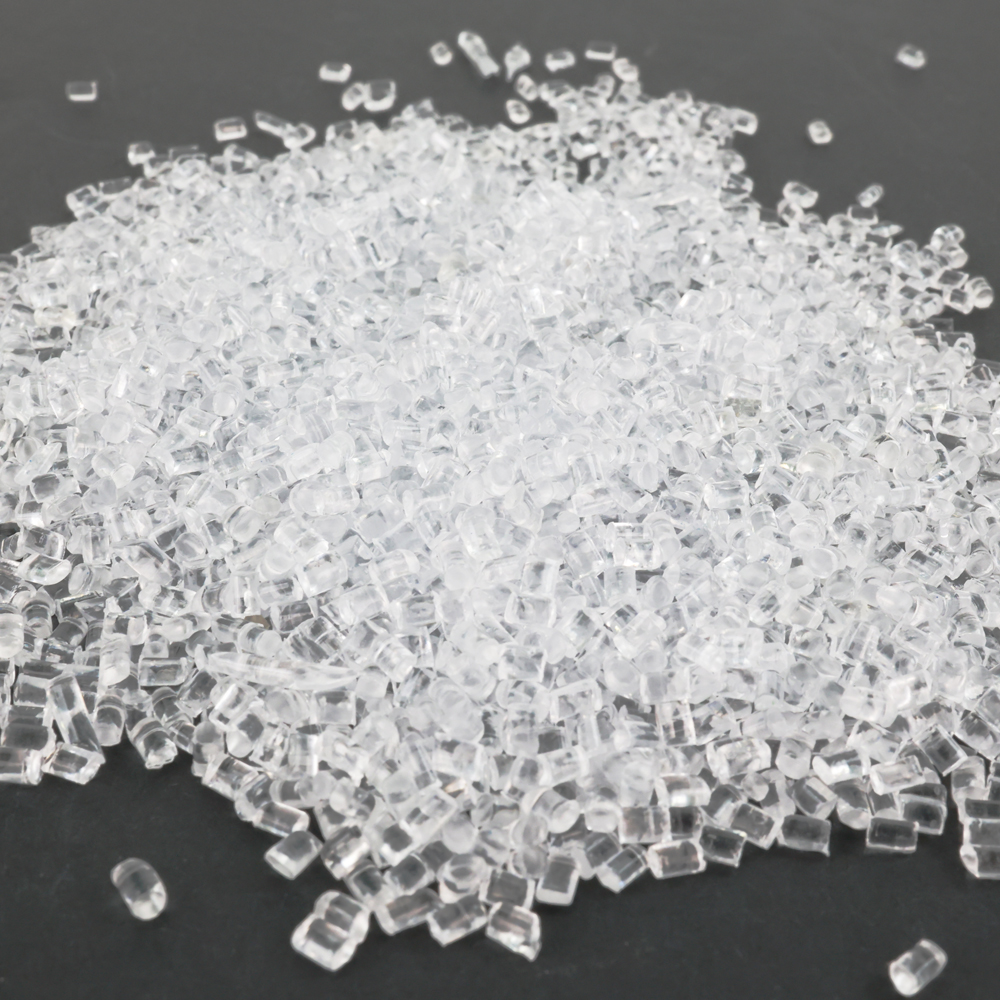
PP-GF30 is an engineering thermoplastic composite where polypropylene is reinforced with 30% glass fibers. This modification significantly enhances the base material's mechanical properties, transforming it into a lightweight, cost-effective, and chemically resistant solution ideal for structural applications.
PP GF30: The Strategic Material Choice for Cost-Effective, High-Performance Engineering

Reinforced polypropylene material is an engineering plastic, usually with polypropylene as the base material, with other materials added to enhance its performance and characteristics. These reinforcements can be fibers, fillers, additives or modifiers, and their purpose is to improve the strength, stiffness, heat resistance, chemical resistance and other properties of polypropylene to make it more suitable for specific applications.
What is reinforced polypropylene material?
SEND MESSAGE