
Glass Filled Nylon: Properties, GF Grades, and Structural Applications
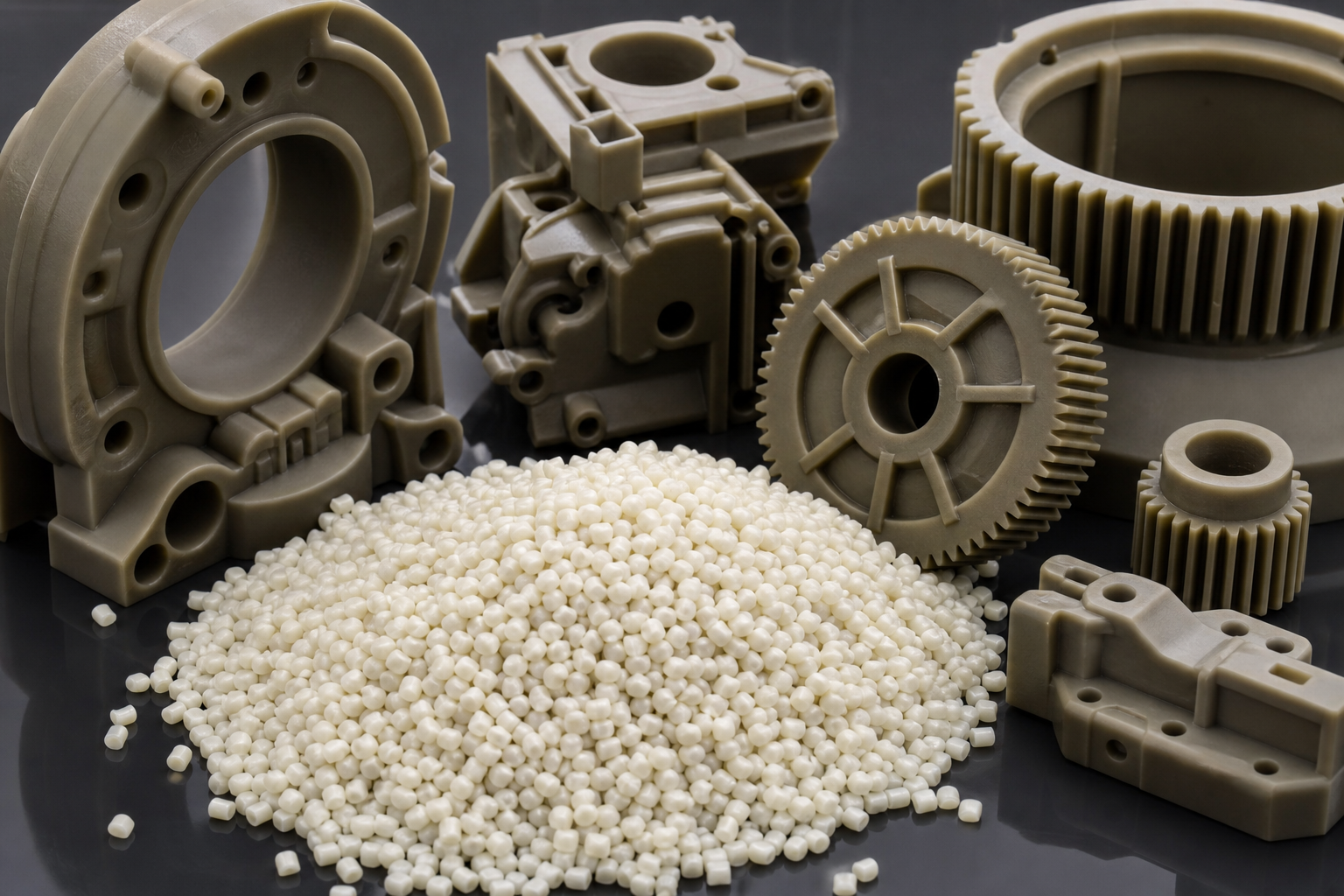
Glass filled nylon is a nylon material reinforced with glass fiber to improve stiffness, strength, dimensional stability, and heat-related performance compared with unfilled nylon. For B2B buyers, the more useful question is which nylon family and glass level best fit the part.
In real sourcing work, glass filled nylon often means choosing among PA6, PA66, and different GF levels such as GF15, GF25, GF30, or higher structural routes. The right answer depends on load, temperature, moisture exposure, tolerance, and molding practicality.
WanHan supports glass filled nylon selection for automotive, electrical, appliance, and industrial molded parts. Related routes include the published PA66 GF30 guide, PA6 GF30 guide, and PA66 GF25 guide.
What Glass Filled Nylon Changes
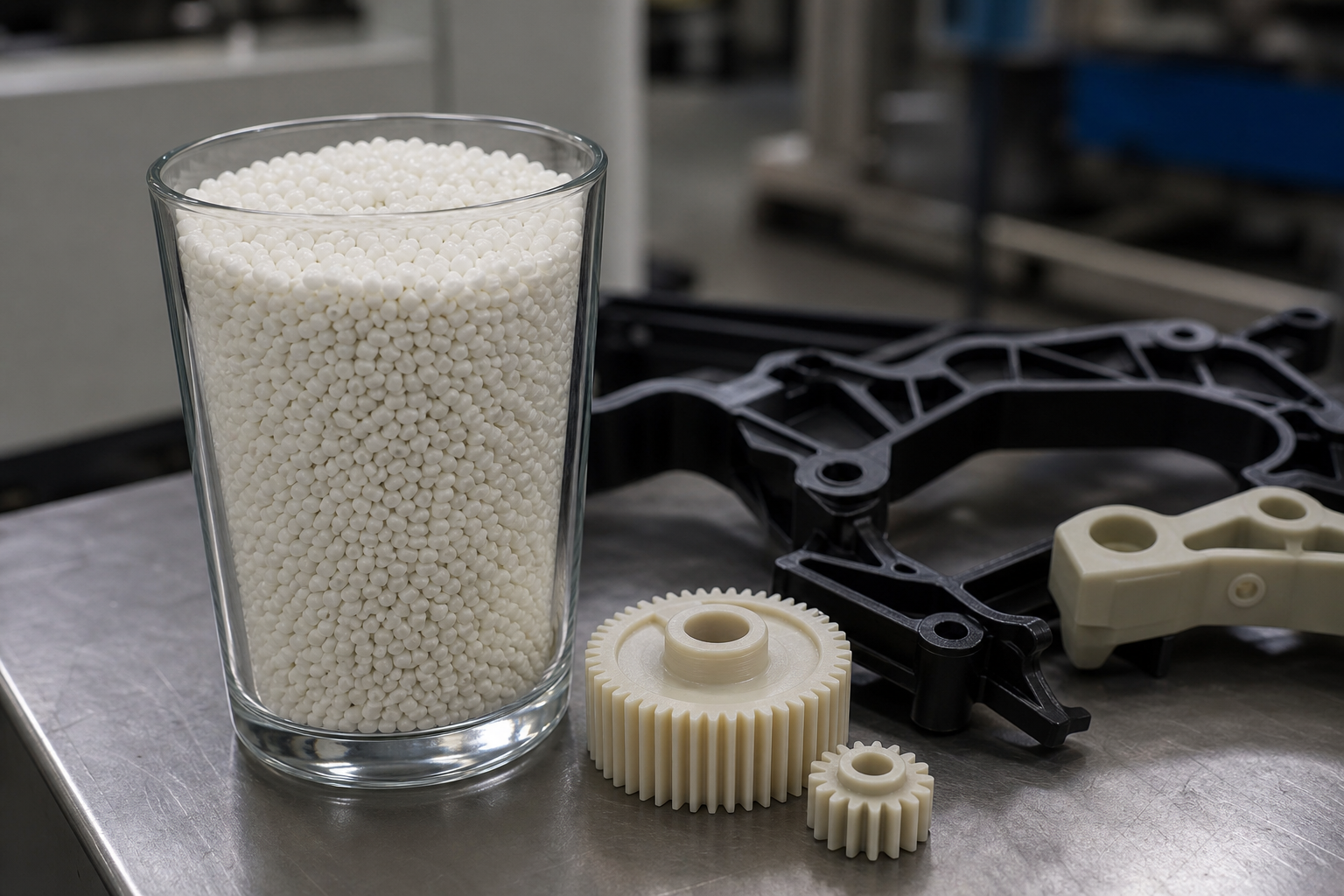
Glass fiber reinforcement changes nylon from a more general engineering plastic into a stronger structural material route. The gain usually appears in stiffness, dimensional stability, and load retention, but tradeoffs can show up in warpage, surface appearance, and processing sensitivity.
That is why a glass filled nylon decision should not stop at the words GF30 or reinforced nylon. The actual part function and molding route still determine whether the grade will succeed.
- Higher stiffness and better structural support than unfilled nylon
- Improved dimensional control for many assembly-sensitive parts
- Better fit for technical molded parts under heat and load
- More careful review needed for warpage, surface quality, and tool wear
Glass Filled Nylon Selection Guide
| Selection point | Why it matters | What the buyer should confirm |
|---|---|---|
| Nylon family | PA6 and PA66 do not behave the same under moisture, heat, and cost pressure | Whether the project needs PA6 balance or PA66 heat margin |
| Glass level | GF15, GF25, GF30, and higher routes create different stiffness and processing tradeoffs | Load target, deflection tolerance, and molding complexity |
| Service conditions | Heat, moisture, and chemicals change final part behavior | Operating temperature, humidity, and media exposure |
| Part geometry | Filled nylon can increase warpage sensitivity in certain tools | Wall thickness, rib layout, gate location, and visible-surface target |
Where Glass Filled Nylon Is Commonly Used
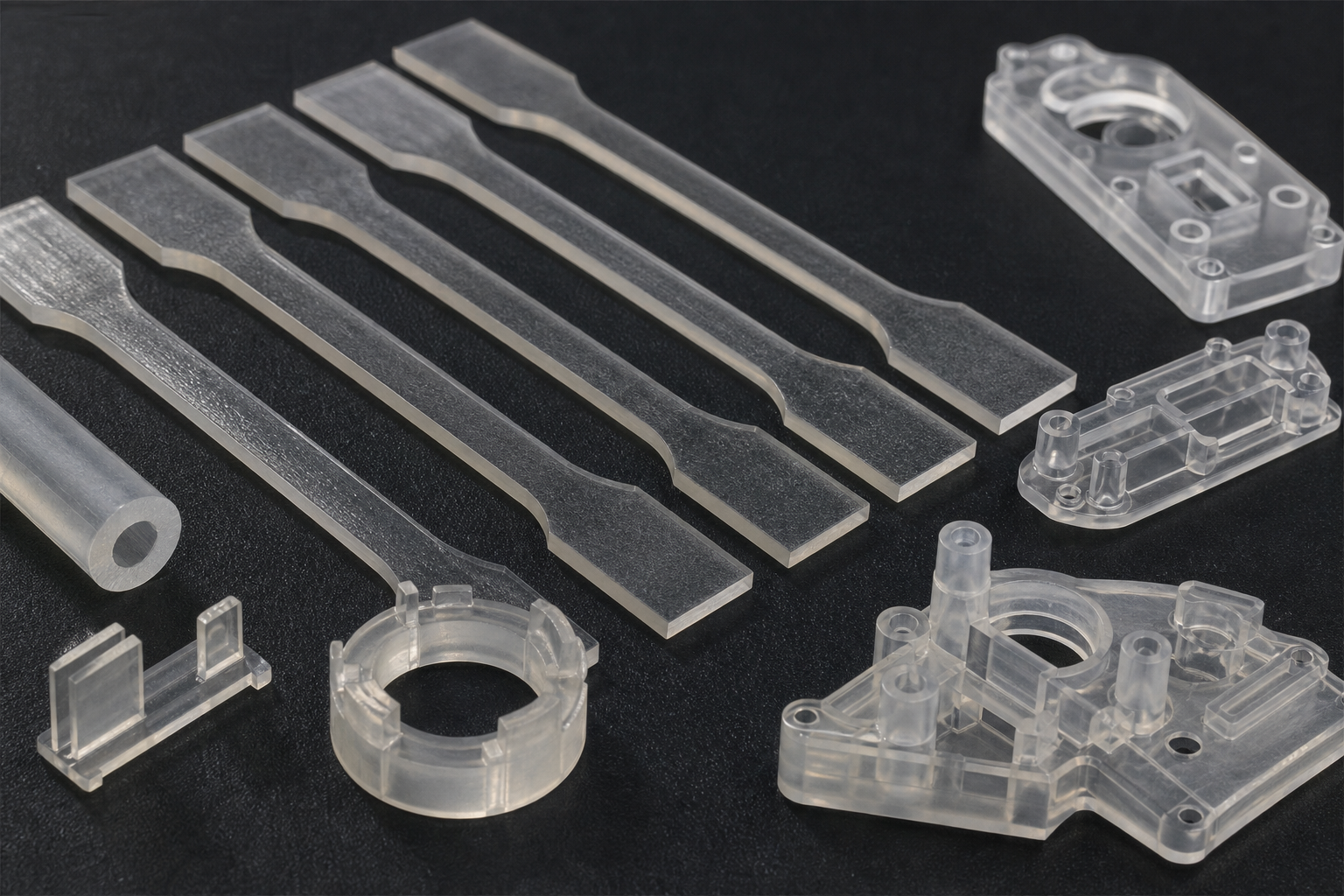
Glass filled nylon is widely used for technical molded parts that must keep shape under heat or load better than standard nylon can. Typical applications include brackets, housings, frames, supports, and internal structural parts across automotive, electronics, home appliances, and industrial equipment.
The material is often selected when metal replacement, weight reduction, or assembly stability matters more than soft surface appearance.
- Automotive brackets, carriers, radiator-related parts, and structural supports
- Electrical housings, terminal supports, and technical insulators
- Appliance internal frames and motor-adjacent structures
- Industrial molded parts requiring stiffness and dimensional retention
Why Sample Validation Still Matters
Even with a suitable glass-filled route, the final part depends on moisture conditioning, fiber orientation, gate design, warpage control, and the exact compound. Buyers should validate the finished part in molded form, not only by reading generic reinforced nylon descriptions.
This is especially important on structural parts, visible housings, and tolerance-sensitive assemblies.
- Check conditioned dimensions, not only dry data
- Review sample parts under the real load and heat condition
- Compare PA6 GF and PA66 GF before freezing a high-volume project
- Align the resin route with the actual molding tool and assembly method
Why Choose WanHan
Since 2005, WanHan has created engineering plastics for sustainable industrial applications, with independent R&D, production, and sales of functional polymer materials.
WanHan is certified with ISO 9001, ISO 14001, ISO 45001, and IATF 16949. Full sets of testing equipment support strict quality control for reinforced nylon compounds used in automotive, electronics, home appliance, and industrial applications.
- PA6 GF, PA66 GF, FR nylon, heat-stabilized, and custom modified compound support
- Grade selection based on load, heat, tolerance, and molding behavior
- Sampling support for reinforced nylon parts with structural performance targets
Request Material Support
Send the part application, load condition, service temperature, wall thickness, tolerance target, color requirement if applicable, and the first performance issue that must be solved. WanHan can help compare suitable glass-filled nylon routes for sampling and production review.
Contact WanHan for glass filled nylon support
Frequently Asked Questions
Q: What is glass filled nylon?
A: Glass filled nylon is nylon reinforced with glass fiber to improve stiffness, strength, dimensional stability, and structural performance compared with unfilled nylon.
Q: Why is glass fiber added to nylon?
A: Glass fiber is added to increase rigidity, improve load retention, and help technical parts hold shape more effectively in service.
Q: Is PA6 glass filled nylon different from PA66 glass filled nylon?
A: Yes. PA6 and PA66 offer different balances in heat resistance, moisture response, processing behavior, and cost, even at similar glass levels.
Q: Where is glass filled nylon used?
A: It is commonly used for automotive brackets, electrical housings, appliance internal structures, and industrial parts that need reinforced nylon performance.
Q: Can WanHan help compare different GF nylon grades?
A: Yes. WanHan can compare PA6 GF, PA66 GF, and related modified nylon grades according to the real part requirement.
PC/ABS vs PC: Material Differences for Housings and Structural Parts
Nylon 6,6 Structure and Properties: Engineering Polymer Guide
Related Article



