
What Is Polyamide? A Comprehensive Guide to Nylon Materials
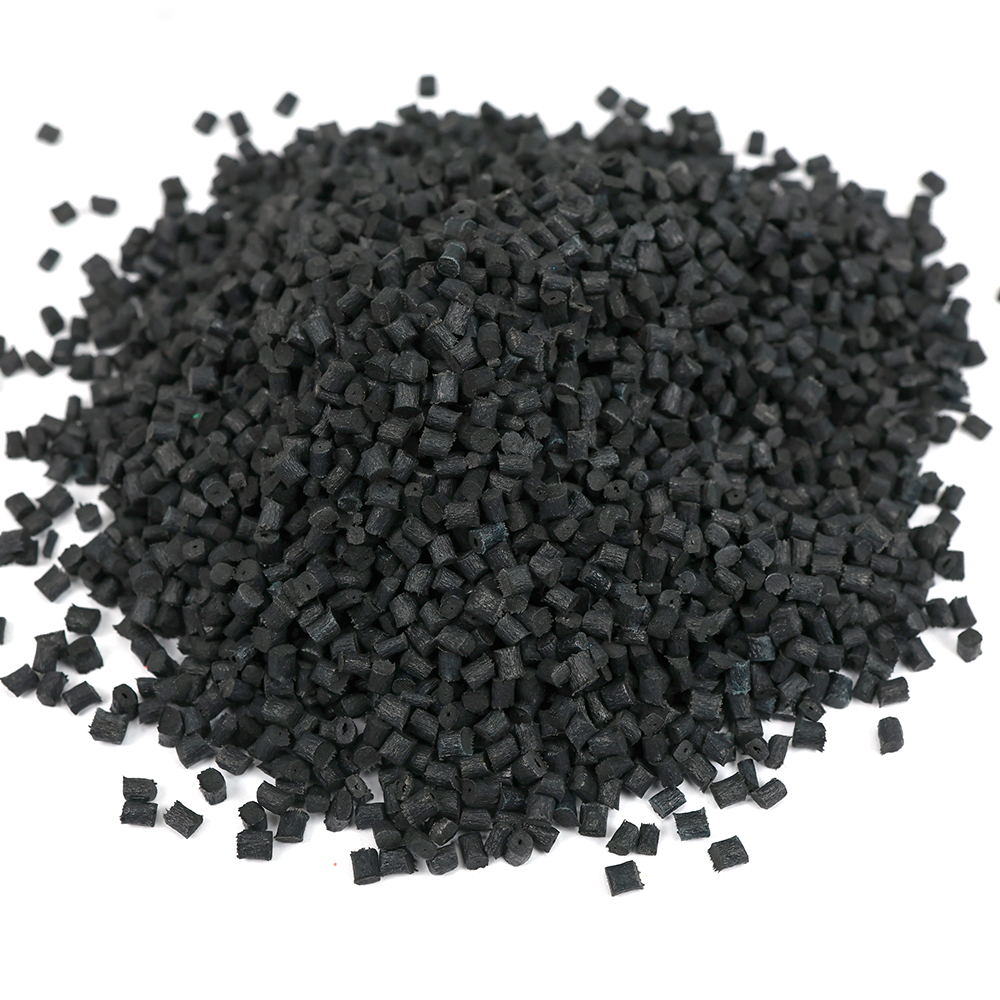
What Is Polyamide?
Polyamide, often called nylon, is one of the most important engineering thermoplastics used in modern manufacturing. It is valued for its excellent strength-to-weight ratio, wear resistance, chemical resistance, and processing flexibility. In practical terms, polyamide materials are widely used for automotive parts, electrical components, industrial gears, connectors, housings, and many structural molded products.
For buyers, designers, and engineers, the term polyamide usually refers to a family of materials rather than a single grade. The most common commercial options are PA6 and PA66, but there are also reinforced, flame-retardant, impact-modified, and heat-stabilized variants that serve very different performance needs.
Why Polyamide Is So Widely Used
Polyamide materials combine mechanical performance with manufacturing efficiency. They can deliver strong toughness and rigidity while still being suitable for injection molding and high-volume production. Compared with many commodity plastics, nylon performs better in demanding environments where friction, repeated stress, or elevated temperature matter.
- High tensile strength and good stiffness
- Excellent wear and abrasion resistance
- Low friction for moving parts
- Good resistance to oils, greases, and fuels
- Reliable processability for injection molding applications
PA6 vs. PA66: What Is the Difference?
PA6 and PA66 are the two best-known nylon materials. Both belong to the polyamide family, but they offer slightly different balances of performance and process behavior.
PA6 usually provides easier processing, good toughness, and a smooth surface finish. It is commonly selected for consumer goods, housings, and general engineering molded parts.
PA66 is often chosen when higher heat resistance, better stiffness, and stronger dimensional stability are required. It is frequently used in automotive and electrical applications where the operating environment is more demanding.
Key Properties to Evaluate Before Material Selection
When selecting a polyamide grade, it is important to look beyond the base resin name. Real application performance depends on reinforcement, additives, moisture condition, wall thickness, and operating temperature.
- Mechanical strength: Consider tensile strength, impact resistance, and fatigue behavior.
- Thermal performance: Check long-term heat resistance and short-term temperature exposure.
- Moisture absorption: Nylon absorbs moisture, which can affect dimensions and mechanical behavior.
- Surface and appearance: Different grades affect gloss, texture, and finish quality.
- Reinforcement: Glass-fiber reinforced grades can significantly improve stiffness and strength.
Typical Applications of Nylon Materials
Polyamide is used across a wide range of industries because it offers a balanced combination of performance and cost efficiency. Common examples include:
- Automotive clips, brackets, cable ties, and under-the-hood parts
- Electrical connectors, switch housings, and insulating components
- Industrial gears, rollers, and wear parts
- Appliance components and consumer product housings
- Custom injection molded engineering plastic components
How to Choose the Right Polyamide Grade
The right grade depends on the working environment and the final product requirements. If impact toughness and easier molding are the main priorities, PA6 may be a better fit. If higher heat resistance and stronger structural stability are needed, PA66 may be the better option. For load-bearing components, reinforced grades such as glass-fiber filled nylon are often worth evaluating.
It is also helpful to confirm whether the part must resist chemicals, maintain shape in humid conditions, or meet flame-retardant or color requirements. These details can change the best material recommendation significantly.
Final Thoughts
Polyamide remains a core engineering plastic because it adapts well to industrial needs, from standard molded parts to high-performance reinforced applications. Understanding the differences between nylon grades, especially PA6 and PA66, helps buyers and engineers make better sourcing and design decisions.
If you are developing a nylon part for injection molding or looking for a more suitable engineering plastic grade, selecting the correct polyamide formulation early can improve both product reliability and manufacturing efficiency.