
How to make an injection mold
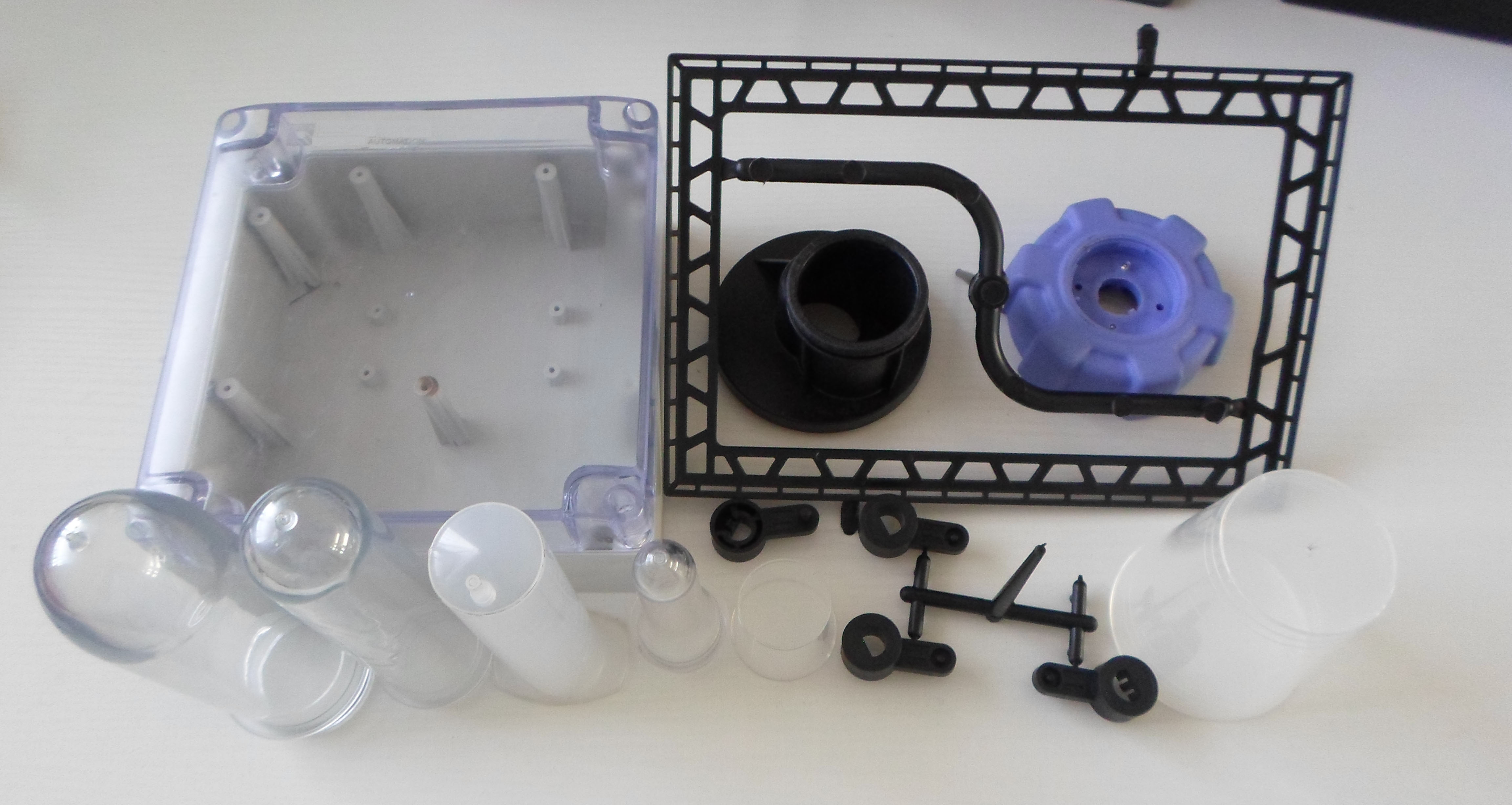
Creating an injection mold is a crucial step in the manufacturing process of plastic parts. This intricate and specialized process requires careful planning, precision, and technical expertise. In this article, we'll explore the step-by-step guide on how to make an injection mold, shedding light on the key considerations and techniques involved in producing molds that yield high-quality plastic components.
1. Designing the Mold: The first step in making an injection mold is designing the mold itself. This involves creating a detailed blueprint that outlines the mold's structure, dimensions, and features. Design considerations include part geometry, material flow, cooling channels, and mechanisms for ejecting the finished product.
2. Material Selection: Choosing the right material for the mold is critical. Common materials include steel and aluminum alloys, each offering specific advantages such as durability, heat resistance, and ease of machining. The choice of material depends on factors like the expected production volume, part complexity, and budget considerations.
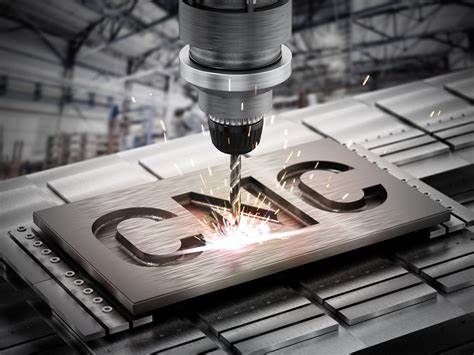
3. CNC Machining: With the mold design in hand, the next step is to use computer numerical control (CNC) machining to carve the mold out of the selected material. CNC machining ensures precision and accuracy in creating the mold cavities, cores, and intricate features according to the design specifications.
4. Heat Treatment: To enhance the durability and hardness of the mold, heat treatment is often applied. This process involves subjecting the mold to controlled heating and cooling cycles, optimizing its mechanical properties for prolonged use.
5. Assembling the Mold: Once the individual components of the mold are machined and heat-treated, they are meticulously assembled. This includes fitting together the mold cavities, cores, and any additional components such as cooling channels and ejector pins. The assembly process ensures that all elements work seamlessly together during the injection molding cycle.
6. Testing and Quality Control: Before the mold is put into production, it undergoes rigorous testing and quality control checks. This includes inspecting the mold for dimensional accuracy, verifying that all components function as intended, and conducting trial runs to identify any potential issues. Adjustments are made as needed to ensure optimal performance.
7. Production: With a thoroughly tested and quality-approved mold, it is ready for production. The mold is installed in an injection molding machine, and the plastic material is injected into the mold cavities under high pressure. The process is repeated for each cycle, producing identical plastic parts with each injection.
Conclusion: Making an injection mold is a meticulous and highly skilled process that requires expertise in design, material selection, machining, and quality control. The precision and attention to detail at every stage of mold creation are critical to ensuring the successful and efficient production of high-quality plastic components. As technology advances, the art and science of mold making continue to evolve, contributing to the innovation and growth of the manufacturing industry.
How does injection molding work?
What is extrusion molding?
Related Article



