
PA11 VS PA12
author: WanHan Technology
2023-12-11
PA11 (polyamide 11) and PA12 (polyamide 12) are both thermoplastic polymers that belong to the polyamide category and are also known as nylon 11 and nylon 12. Here are some of the main differences between them:
1. Source of raw materials:
PA11: The raw materials of PA11 are mainly bio-based raw materials extracted from vegetable oils (such as sunflower oil).
PA12: PA12 is a synthetic polyamide typically synthesized from petroleum-based feedstocks.
2. Physical properties:
PA12: PA12 is a synthetic polyamide typically synthesized from petroleum-based feedstocks.
2. Physical properties:
PA11: Has high impact resistance, wear resistance and flexibility. Compared with PA12, PA11 has better performance at low temperatures.
PA12: Has good chemical resistance, heat resistance and rigidity.
3. Production process:
PA12: Has good chemical resistance, heat resistance and rigidity.
3. Production process:
PA11: Since it is a bio-based polymer, the production process is relatively environmentally friendly, but may also be subject to fluctuations in raw material supply.
PA12: The production process relies on petroleum-based raw materials and may have some negative impacts on the environment.
4. Cost:
PA12: The production process relies on petroleum-based raw materials and may have some negative impacts on the environment.
4. Cost:
PA11: PA11 is generally relatively expensive due to the potentially higher cost of bio-based feedstocks.
PA12: Since petroleum-based raw materials are relatively cheap, PA12 is generally relatively economical.
5. Application areas:
PA12: Since petroleum-based raw materials are relatively cheap, PA12 is generally relatively economical.
5. Application areas:
PA11: Due to its good low-temperature performance and environmental protection of bio-based raw materials, it is often used in hydraulic pipelines, automatic transmission oil pipes, automobile fuel systems and other fields.
PA12: Due to its good chemical resistance and heat resistance, it is often used in the manufacture of pipes, pneumatic fittings, cable sheaths, automotive parts, etc.
Overall, the choice between PA11 and PA12 depends on specific application requirements, cost factors and concern for environmental performance. In some applications where bio-based raw materials and low-temperature performance are required, PA11 may be more competitive. In some applications that require higher chemical stability and heat resistance, PA12 may be more suitable.
Nylon 11 vs. Nylon 12: A Comparative Analysis of Performance and Applications
Nylon PA11 resin
Related Article
PBT GF30 is a PBT (polybutylene terephthalate) material, where GF indicates the content of glass fiber (Glass Fiber), and 30 indicates that it contains 30% glass fiber reinforcement.
PBT GF30 properties and applications
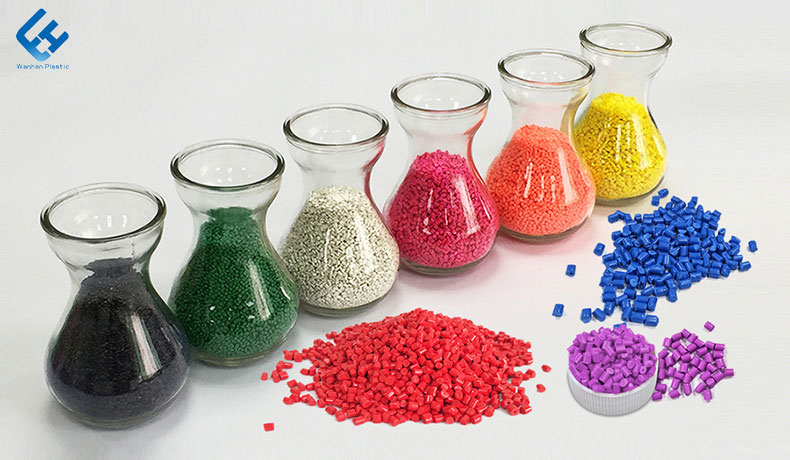
Polyamide 12, commonly known as PA12, is a high-performance engineering thermoplastic known for its exceptional material properties. Here, we delve into the key characteristics that define PA12, exploring its properties, water absorption behavior, and providing insights from its datasheet.
Unveiling PA12: Properties, Water Absorption, and Datasheet Insights
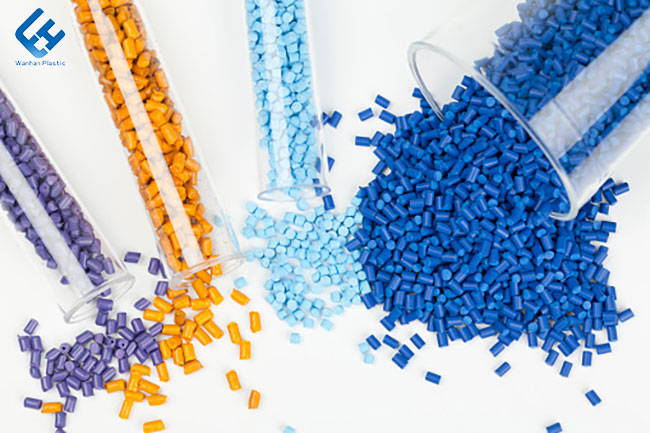
PA12 GF30 is a nylon 12 (polyamide 12) material, where GF indicates the content of glass fiber (Glass Fiber), and 30 indicates that it contains 30% glass fiber reinforcement.
Nylon PA12 GF30 properties and applications
PA66 GF50 is a nylon 66 (polyamide 66) material, where GF indicates the content of glass fiber (Glass Fiber), and 50 indicates that it contains 50% glass fiber reinforcement. This material offers a high degree of strength, stiffness and heat resistance, along with other characteristics typically found in reinforced nylon 66
Nylon PA66 GF50 porperties and applications
SEND MESSAGE