
What Is PA12 Material? Properties, Uses, Advantages, and Processing Guide
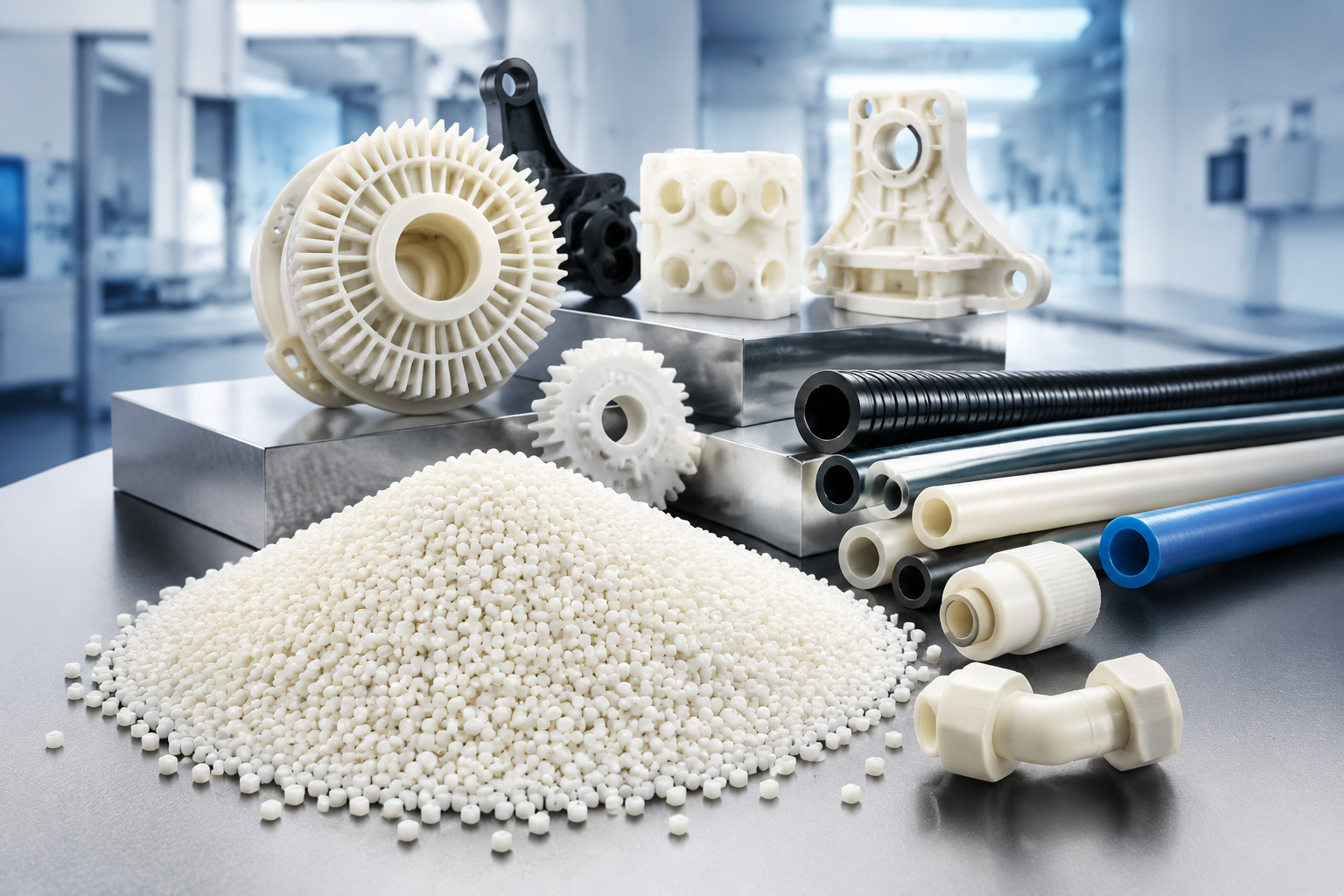
What Is PA12 Material? Properties, Uses, Advantages, and Processing Guide
PA12, also called polyamide 12 or nylon 12, is a specialty engineering plastic known for low moisture absorption, chemical resistance, flexibility, and stable dimensional performance. People searching for PA12, what is PA12, PA12 material, or polyamide 12 usually want a practical answer: what makes this nylon different, where it is used, and when it is worth choosing over PA6 or PA66.
The short answer is that PA12 material is often selected when a project needs a balanced combination of toughness, dimensional stability, chemical resistance, and lower water absorption than many other nylon materials. It is widely used in automotive, tubing, electrical, consumer, and industrial engineering applications.
What Is PA12?
PA12 stands for polyamide 12, a long-chain nylon resin in the polyamide family. Compared with more common nylons such as PA6 and PA66, PA12 is known for absorbing less moisture and maintaining more stable dimensions in demanding service conditions.
In commercial material selection, that usually means PA12 is considered when a manufacturer wants:
- Lower water absorption than standard nylon grades
- Good toughness and flexibility
- Reliable chemical and fuel resistance
- Improved dimensional stability
- Performance in tubing, connectors, and technical housings
For a quick material-family overview, it helps to compare the older PA12 introduction page before reviewing updated guidance and grade selection.
Key Properties of PA12 Material
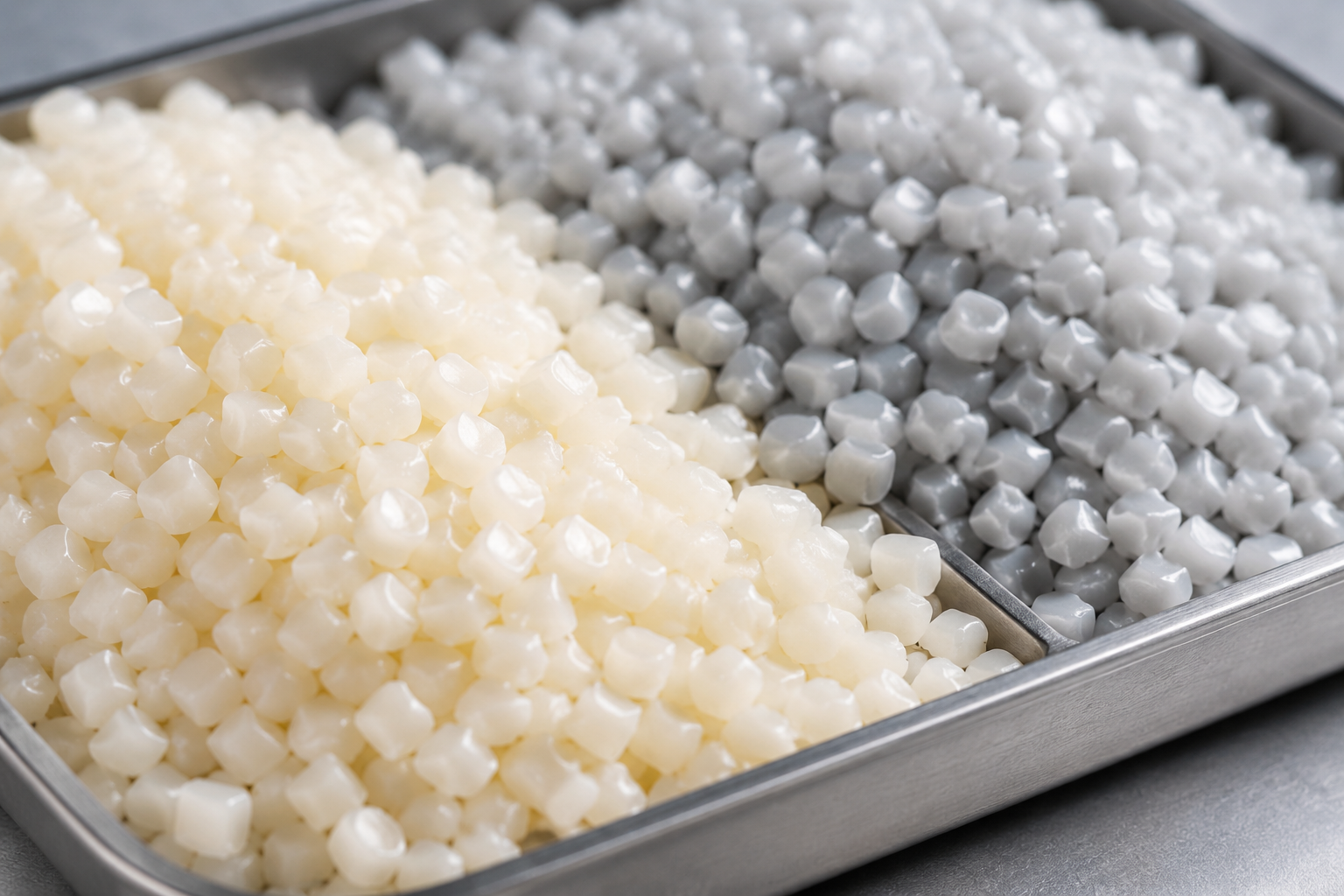
When engineers discuss PA12 material, they usually focus on the property balance rather than a single performance number. Typical advantages of nylon 12 include:
- Low moisture absorption compared with many other nylons
- Good dimensional stability in changing environments
- Useful toughness and impact resistance
- Good resistance to fuels, oils, and many chemicals
- Flexible processing options for molded and extruded components
This combination is one reason polyamide 12 is frequently used in precision parts, tubing systems, automotive components, and technical consumer products.
What Is PA12 Material Used For?
Nylon 12 is used in applications where moisture control, dimensional consistency, and chemical resistance matter. Common uses include:
- Automotive fuel line and fluid-handling components
- Pneumatic and industrial tubing systems
- Electrical connectors and protective housings
- Consumer product structural parts
- Modified engineering parts requiring toughness and stability
For grade selection, it helps to compare the general PA12 material guide with a reinforced product option such as PA12 GF30 glass fiber reinforced material when higher stiffness is required.
Advantages of PA12 Material
The reason what is PA12 remains a strong technical search topic is that this resin solves a specific group of engineering problems that standard nylons do not always handle as well. Main advantages include:
- Lower water uptake: helps support dimensional stability and more predictable performance
- Good chemical resistance: useful for fluid-contact and technical service environments
- Good toughness: practical for parts that need flexibility and impact durability
- Application versatility: suitable for automotive, industrial, electrical, and consumer products
Limitations to Consider
Like any engineering plastic, PA12 is not automatically the best fit for every product. Design teams should still review:
- Material cost compared with more common nylon grades
- Required stiffness level for structural parts
- Actual temperature exposure in service
- Whether reinforcement or flame retardancy is needed
In some projects, PA6, PA66, PBT, or PC-based materials may still be better options depending on heat resistance, cost target, or mechanical load.
How PA12 Material Is Processed
PA12 material is commonly processed by injection molding and extrusion. In manufacturing, processors pay attention to drying, melt temperature, mold control, and downstream dimensional consistency to maintain stable product quality.
This matters especially in tubing, connectors, and precision components, where process stability directly affects sealing, fit, surface quality, and long-term reliability.
PA12 vs Other Nylon Materials
PA12 is often compared with PA6 or PA66 during material selection. In simple terms, PA12 is often chosen for lower moisture absorption, better dimensional stability, and useful chemical resistance, while PA6 and PA66 may be preferred when cost, stiffness, or broader commodity availability matters more.
If your application needs stable dimensions, tubing performance, or reliable behavior in fluid-contact conditions, PA12 often deserves closer review.
Final Answer: Is PA12 a Good Engineering Plastic?
Yes. PA12 material is a highly practical engineering nylon for applications that require low moisture absorption, good toughness, chemical resistance, and dimensional stability. That is why PA12, what is PA12, polyamide 12, and nylon 12 remain valuable commercial search terms.
The best result comes from choosing the right grade and modification package for the actual use case, especially when tubing, reinforced components, or high-stability molded parts are involved.
Why Choose WanHan for Engineering Plastic Projects?
Since 2005, WanHan has focused on independent R&D, production, and global sales of functional engineering plastics for more sustainable industrial applications. Certified to ISO 9001, ISO 14001, ISO 45001, and IATF 16949, we operate with complete in-house testing equipment and strict quality control throughout development and production. Our materials are exported to more than 30 countries and are widely used in automotive, electronics, home appliances, and industrial applications that require higher-performance polymer solutions.
- Application-based material selection support for OEM, injection molding, and product development teams.
- Custom compounding capability for glass fiber, flame-retardant, carbon fiber, mineral-filled, impact-modified, anti-UV, and color-customized grades.
- Full quality control with in-house testing equipment and certified systems for more stable repeat orders and production consistency.
- Free sample support, technical data sheets, and processing guidance to shorten validation time before mass production.
- Fast quotation response, export-ready packaging, and practical support for long-term production supply programs.
If you are selecting a resin for a new project or replacing an existing grade, WanHan can help with grade matching, sample preparation, and custom compound evaluation. You can send your target application, part drawing, annual quantity, or required properties through WanHan's inquiry page to get a faster quotation and material recommendation. You can also review top-sale engineering plastic grades for faster project matching.
For PA12 development, you can compare WanHan's PA12 overview, PA12 GF30 reinforced grade, and nylon properties guide when moisture control and dimensional stability are key priorities.
Frequently Asked Questions
Q: What is PA12 material?
A: PA12 material is polyamide 12, also called nylon 12, an engineering plastic known for low moisture absorption, good toughness, chemical resistance, and dimensional stability.
Q: What is PA12 used for?
A: PA12 is commonly used for automotive fluid components, industrial tubing, connectors, technical housings, and other engineering parts that need stable performance and chemical resistance.
Q: What is the advantage of PA12 over other nylons?
A: One major advantage of PA12 is its lower moisture absorption, which helps improve dimensional stability and maintain more consistent real-world part performance.
Q: Is PA12 flexible or rigid?
A: PA12 can provide a useful balance of toughness and flexibility, although final stiffness depends on grade design and whether the material is reinforced.
Q: Can PA12 be reinforced for stronger applications?
A: Yes. PA12 can be modified or reinforced, for example with glass fiber, when higher stiffness or more demanding engineering performance is required.
What Is PA6 Material? Properties, Uses, Advantages, and Processing Guide
Nylon Properties Explained: Strength, Melting Point, Density, and Applications
Related Article



