
What Is PBT Material? Properties, Uses, Advantages, and Processing Guide
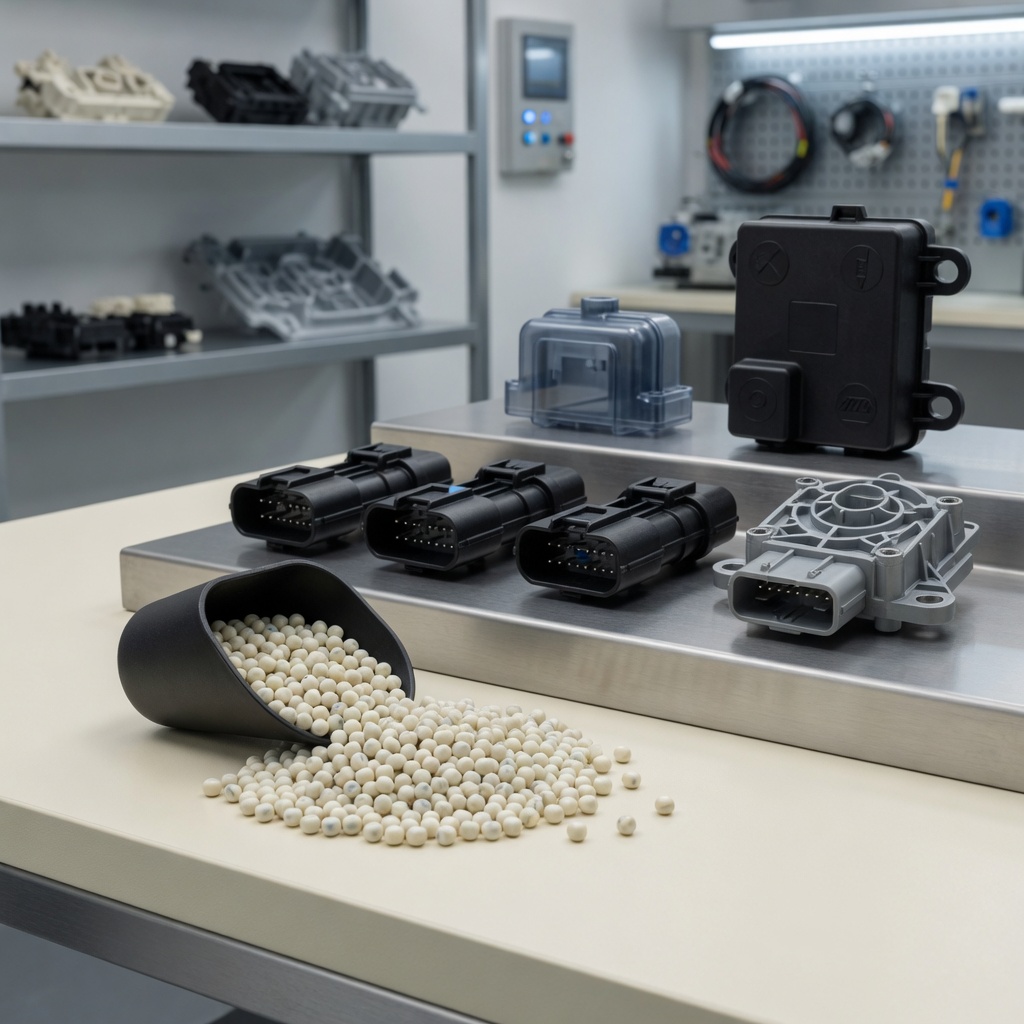
What Is PBT Material? Properties, Uses, Advantages, and Processing Guide
PBT, short for polybutylene terephthalate, is a widely used engineering thermoplastic known for strong dimensional stability, good electrical performance, and reliable molding behavior. People searching for what is PBT, PBT meaning, or PBT material usually want a practical answer: what the material does well, where it is used, and why manufacturers choose it for technical components.
The short answer is that PBT material is an engineering polyester that performs well in electrical, automotive, appliance, and industrial applications. It is especially valued when a part needs good rigidity, low moisture influence, and consistent molded quality.
What Is PBT?
PBT stands for polybutylene terephthalate, a thermoplastic polyester used across many industries for molded technical parts. Compared with general-purpose plastics, PBT is often selected for better dimensional consistency, improved stiffness, and strong suitability for electrical components.
In practical engineering and manufacturing, PBT is often associated with:
- Good electrical insulation properties
- Stable dimensions after molding
- Useful heat resistance for many technical applications
- Good surface quality and flow behavior
- Compatibility with glass fiber reinforcement and flame-retardant modification
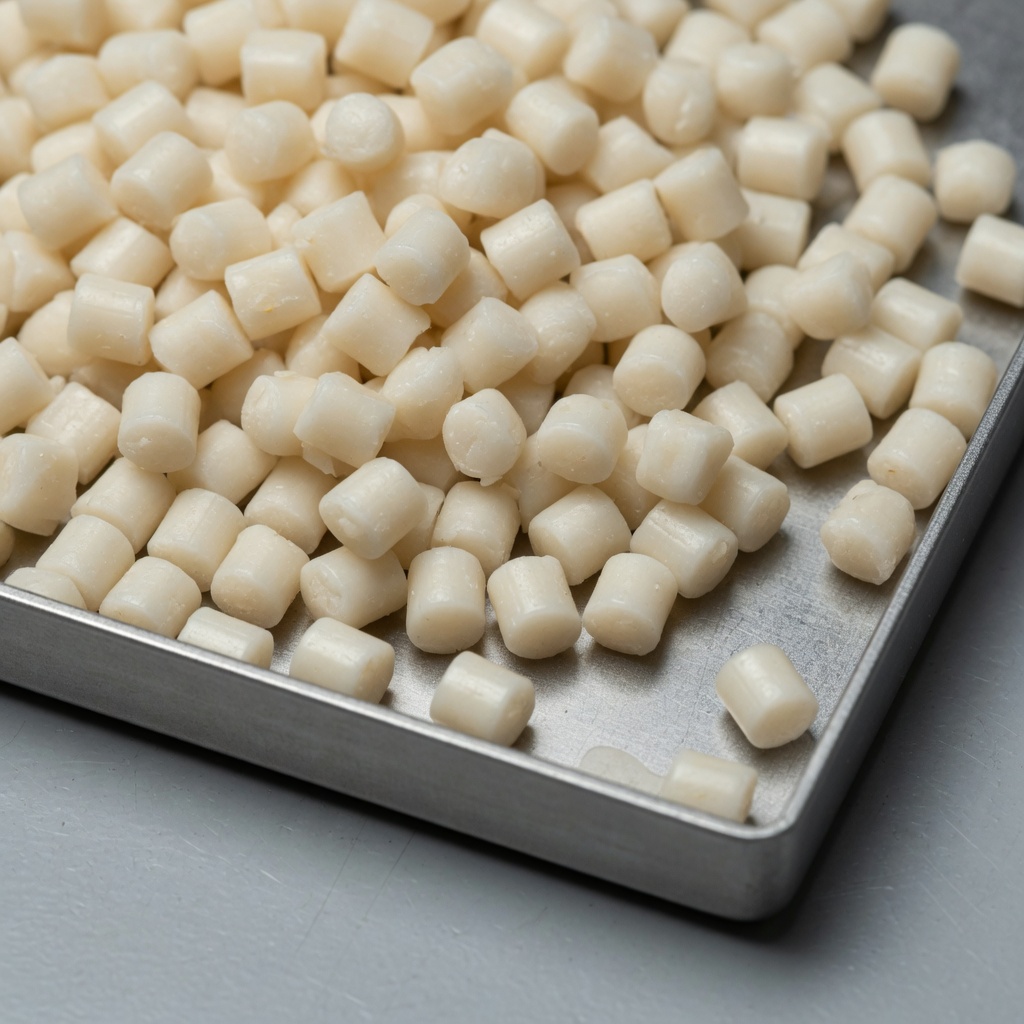
What Does PBT Mean in Plastics?
When engineers review PBT meaning, they usually want more than the full chemical name. In the plastics industry, PBT generally refers to a technical engineering material used for connectors, housings, sensor components, and structural plastic parts that require more precision than many low-cost plastics can offer.
Because PBT belongs to the polyester family, it is often compared with PA, PET, PC, and other engineering resins depending on the final performance target.
Key Properties of PBT Material
PBT material is chosen because it offers a useful combination of mechanical, electrical, and processing advantages. Commonly valued properties include:
- Good rigidity and dimensional stability
- Low moisture absorption compared with some other engineering plastics
- Reliable insulation performance in electrical uses
- Good chemical resistance in many application environments
- Smooth and repeatable injection molding behavior
These benefits make PBT a frequent choice for precision components where consistent shape and dependable production quality matter.
Common Uses of Polybutylene Terephthalate
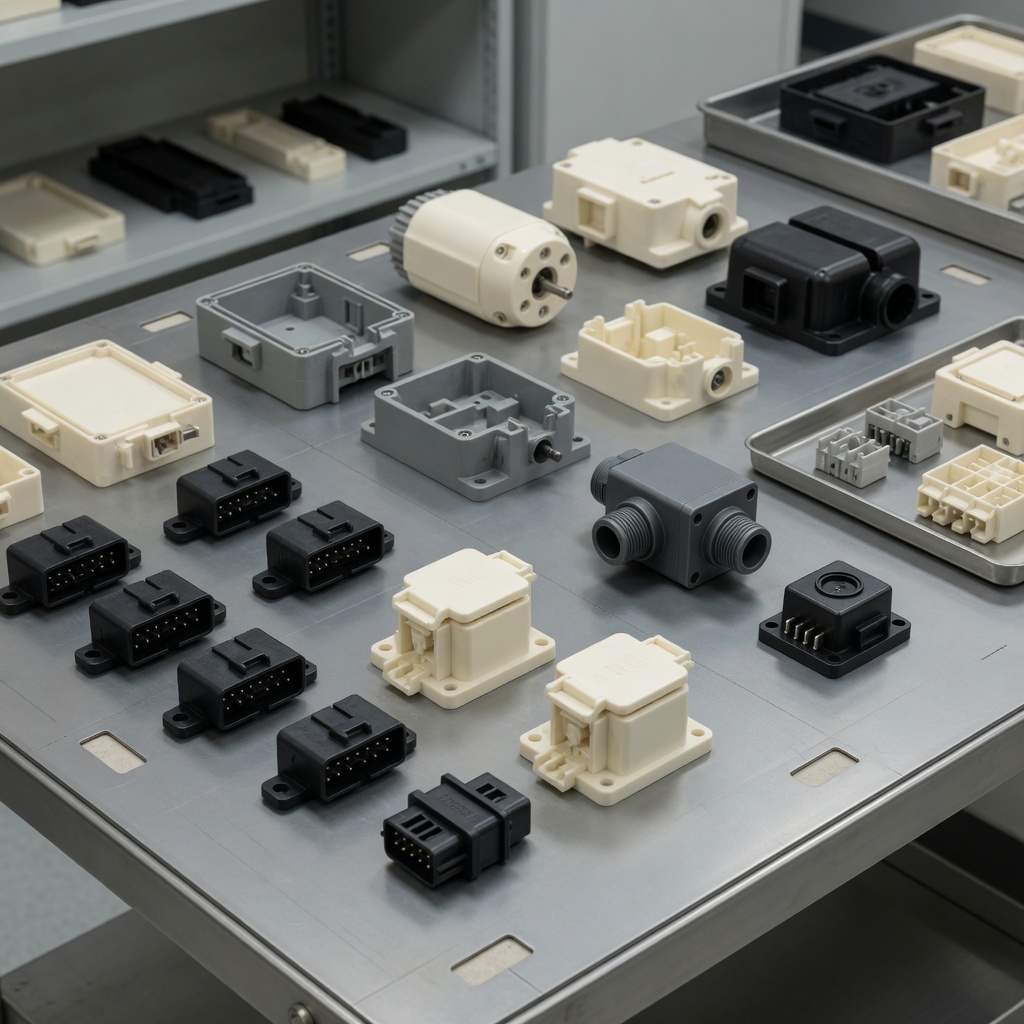
Polybutylene terephthalate is widely used in products that require dimensional accuracy and electrical reliability. Typical PBT applications include:
- Electrical connectors and terminal housings
- Relay and switch components
- Automotive sensor housings and technical parts
- Appliance connectors and structural components
- Industrial plastic housings and precision molded parts
Glass-filled and flame-retardant PBT grades are especially common when higher stiffness, heat resistance, or electrical safety requirements apply.
For grade selection, it helps to browse the PBT resin product catalog and review a representative grade such as PBT GF35 FR flame retardant resin pellets before finalizing reinforcement, heat, and electrical performance targets.
Advantages of PBT Material
One reason what is PBT and PBT material remain important search terms is that the material solves many real engineering problems efficiently. The main advantages include:
- Dimensional consistency: useful for precision plastic components
- Electrical suitability: widely used in connectors and electrical housings
- Modification flexibility: available in reinforced, flame-retardant, and application-specific grades
- Production efficiency: good molding performance supports repeatable manufacturing
Limitations to Consider
PBT is highly practical, but it is not the best answer for every design. Important limitations include:
- Some applications need reinforcement for higher mechanical load
- Impact performance may require modified grades depending on the environment
- Continuous high-temperature use may need a more specialized resin system
- Material selection should still be matched to actual chemical and electrical conditions
This is why PBT is often compared with PA66, PC, PBT GF grades, or flame-retardant engineering plastics before finalizing a project.
How PBT Material Is Processed
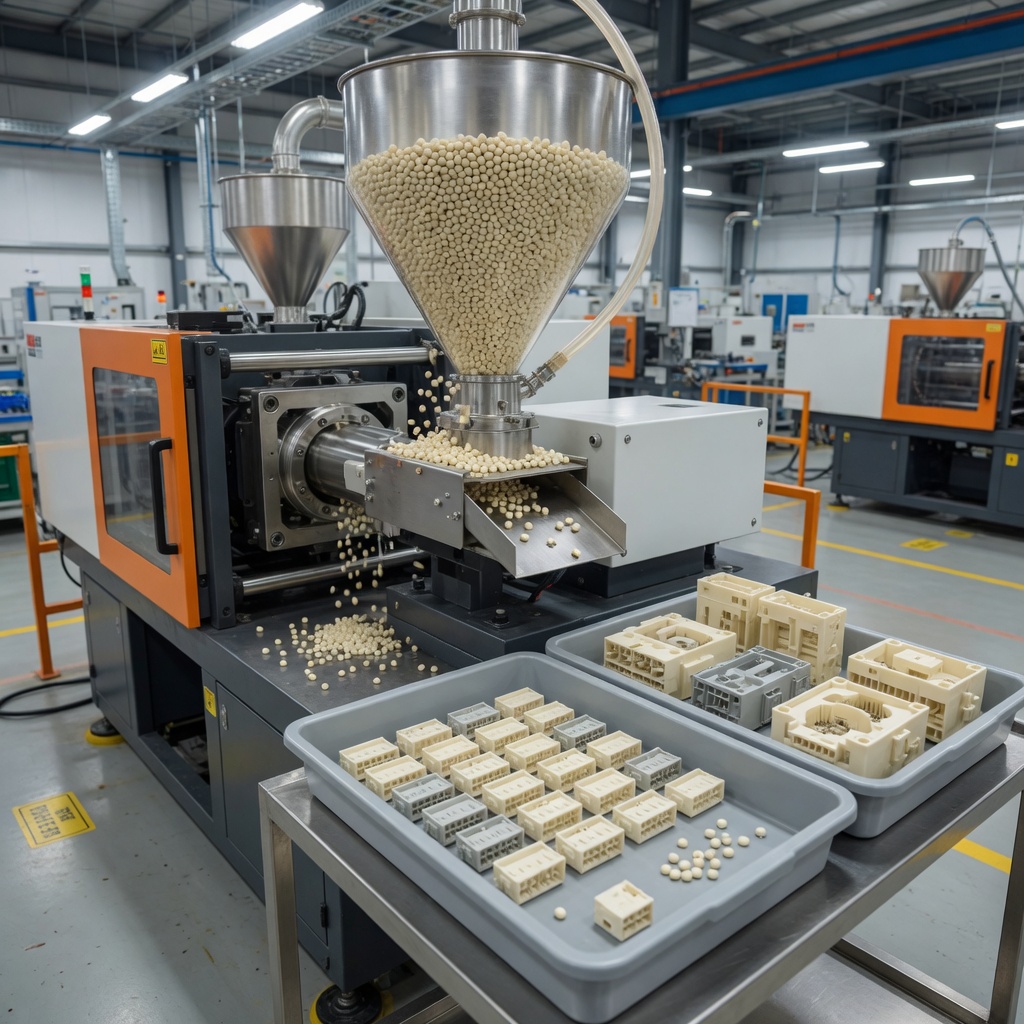
PBT material is most commonly processed by injection molding. In normal production, processors monitor drying, melt temperature, mold temperature, and residence time to maintain stable quality. Good process control helps reduce flash, burn marks, dimensional variation, and surface instability.
For electrical and precision parts, that stability is especially important because even small dimensional changes can affect fit, insulation, or assembly quality.
Final Answer: Is PBT a Good Engineering Plastic?
Yes. PBT is one of the most useful engineering plastics for electrical, automotive, and industrial technical parts because it combines dimensional stability, electrical performance, and good molding efficiency. That is why polybutylene terephthalate remains a standard material in many precision applications.
For practical PBT material evaluation, the most important step is not just understanding the name. It is selecting the correct grade, reinforcement level, and processing condition for the actual end use.
Why Choose WanHan for Engineering Plastic Projects?
Since 2005, WanHan has focused on independent R&D, production, and global sales of functional engineering plastics for more sustainable industrial applications. Certified to ISO 9001, ISO 14001, ISO 45001, and IATF 16949, we operate with complete in-house testing equipment and strict quality control throughout development and production. Our materials are exported to more than 30 countries and are widely used in automotive, electronics, home appliances, and industrial applications that require higher-performance polymer solutions.
- Application-based material selection support for OEM, injection molding, and product development teams.
- Custom compounding capability for glass fiber, flame-retardant, carbon fiber, mineral-filled, impact-modified, anti-UV, and color-customized grades.
- Full quality control with in-house testing equipment and certified systems for more stable repeat orders and production consistency.
- Free sample support, technical data sheets, and processing guidance to shorten validation time before mass production.
- Fast quotation response, export-ready packaging, and practical support for long-term production supply programs.
If you are selecting a resin for a new project or replacing an existing grade, WanHan can help with grade matching, sample preparation, and custom compound evaluation. You can send your target application, part drawing, annual quantity, or required properties through WanHan's inquiry page to get a faster quotation and material recommendation. You can also review top-sale engineering plastic grades for faster project matching.
For PBT programs, you can compare WanHan's PBT catalog, PBT GF35 FR grade, and relay housing material guide to align dimensional, electrical, and heat-performance targets.
Frequently Asked Questions
Q: What is PBT material?
A: PBT material is polybutylene terephthalate, an engineering thermoplastic polyester used for connectors, housings, appliance parts, automotive components, and other precision plastic applications.
Q: What does PBT mean in plastics?
A: In plastics, PBT means polybutylene terephthalate, a technical engineering material valued for dimensional stability, electrical performance, and reliable molding behavior.
Q: What is PBT used for?
A: PBT is commonly used for electrical connectors, relay parts, sensor housings, appliance components, and precision engineering plastic parts.
Q: What are the advantages of PBT material?
A: PBT offers good dimensional stability, useful electrical insulation, strong molding consistency, and flexible grade options such as glass-filled and flame-retardant versions.
Q: Why is PBT popular in electrical applications?
A: PBT is popular in electrical applications because it combines dimensional accuracy, good insulation performance, and stable processing for connector and housing components.
What Is PC-ABS Material? Properties, Uses, Advantages, and Processing Guide
What Is PA66 Material? Properties, Uses, Advantages, and Processing Guide
Related Article



