
PBT vs PET: Material Differences and Selection Guide
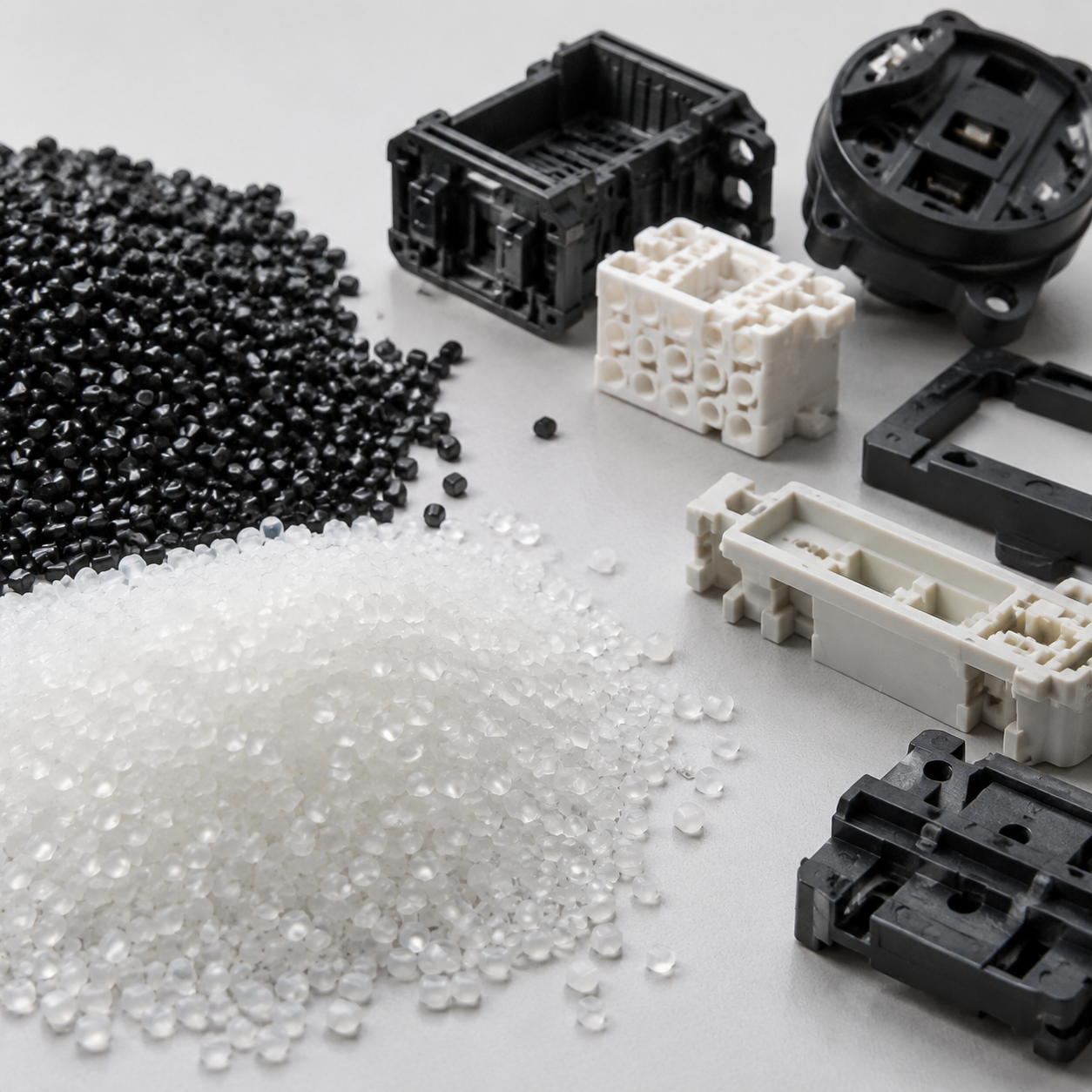
PBT vs PET: Material Differences and Selection Guide
PBT vs PET is a common comparison when a molded part needs a balance of dimensional stability, electrical performance, chemical resistance, and production efficiency. Both are polyester materials, but their behavior can differ in moisture response, crystallization, processing, impact balance, and long-term service performance.
The practical choice depends on the part geometry, wall thickness, thermal exposure, hydrolysis risk, appearance target, and whether the resin will be reinforced or flame-retardant.
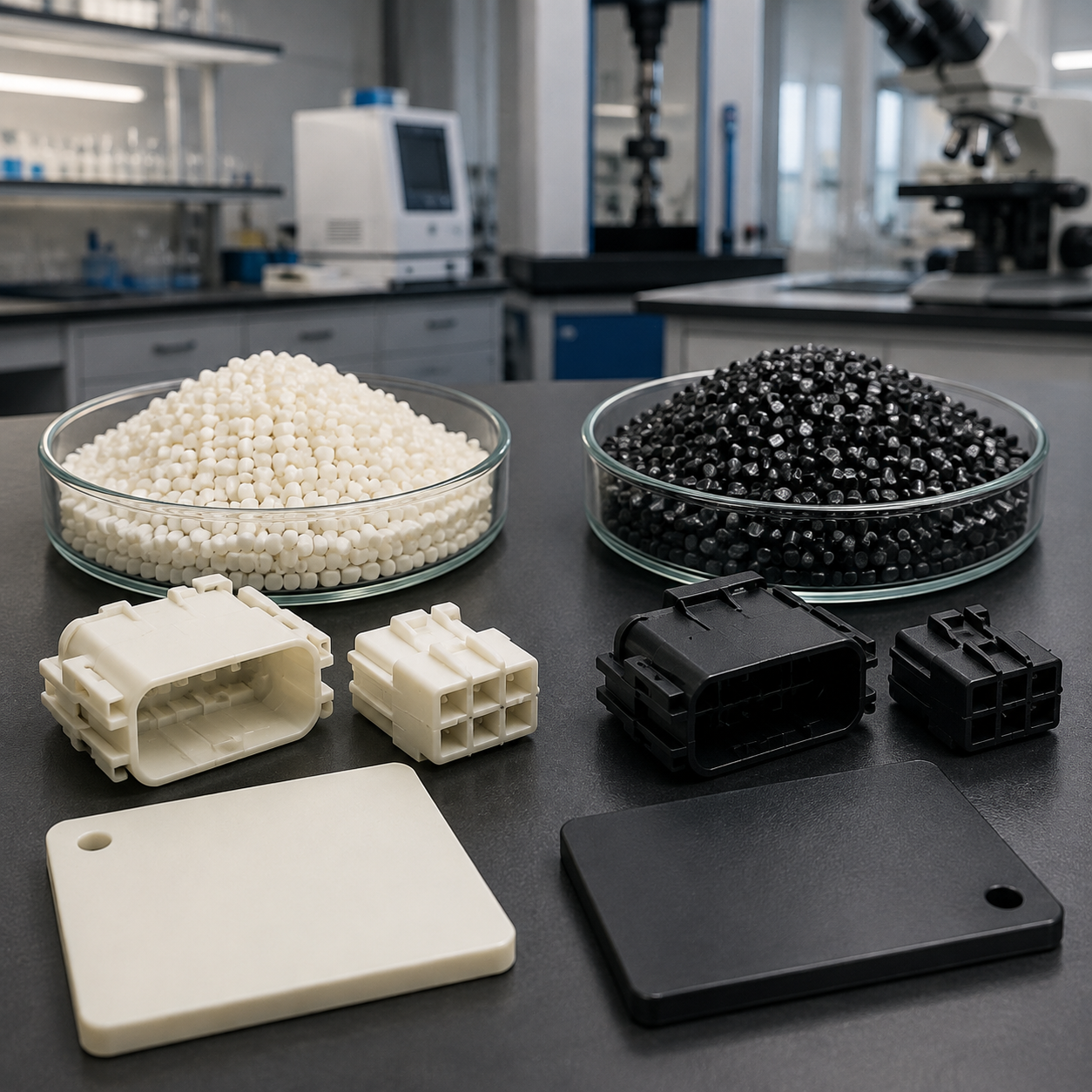
PBT vs PET: Main Comparison Points
| Factor | PBT | PET |
|---|---|---|
| Processing | Often selected for efficient injection molding and stable crystallization | Can require tighter drying and process control depending on grade |
| Electrical parts | Common in connectors, housings, and precision electrical components | Used in selected electrical and industrial applications |
| Moisture and hydrolysis | Must be reviewed for hot and humid service conditions | Hydrolysis and drying requirements can be important in processing |
| Reinforcement | Glass-filled and flame-retardant PBT grades are widely used | Reinforced PET grades are also available for selected applications |
When PBT May Be the Better Route
PBT is often considered for connector bodies, sensor components, terminal housings, and other precision parts that need dimensional control and a stable molding window. Glass fiber and flame-retardant grades can extend its use into more demanding electrical applications.
For material comparison, review WanHan's PBT GF20 resin, FR PBT grade, and PBT material family. The electrical connector material guide adds application context.
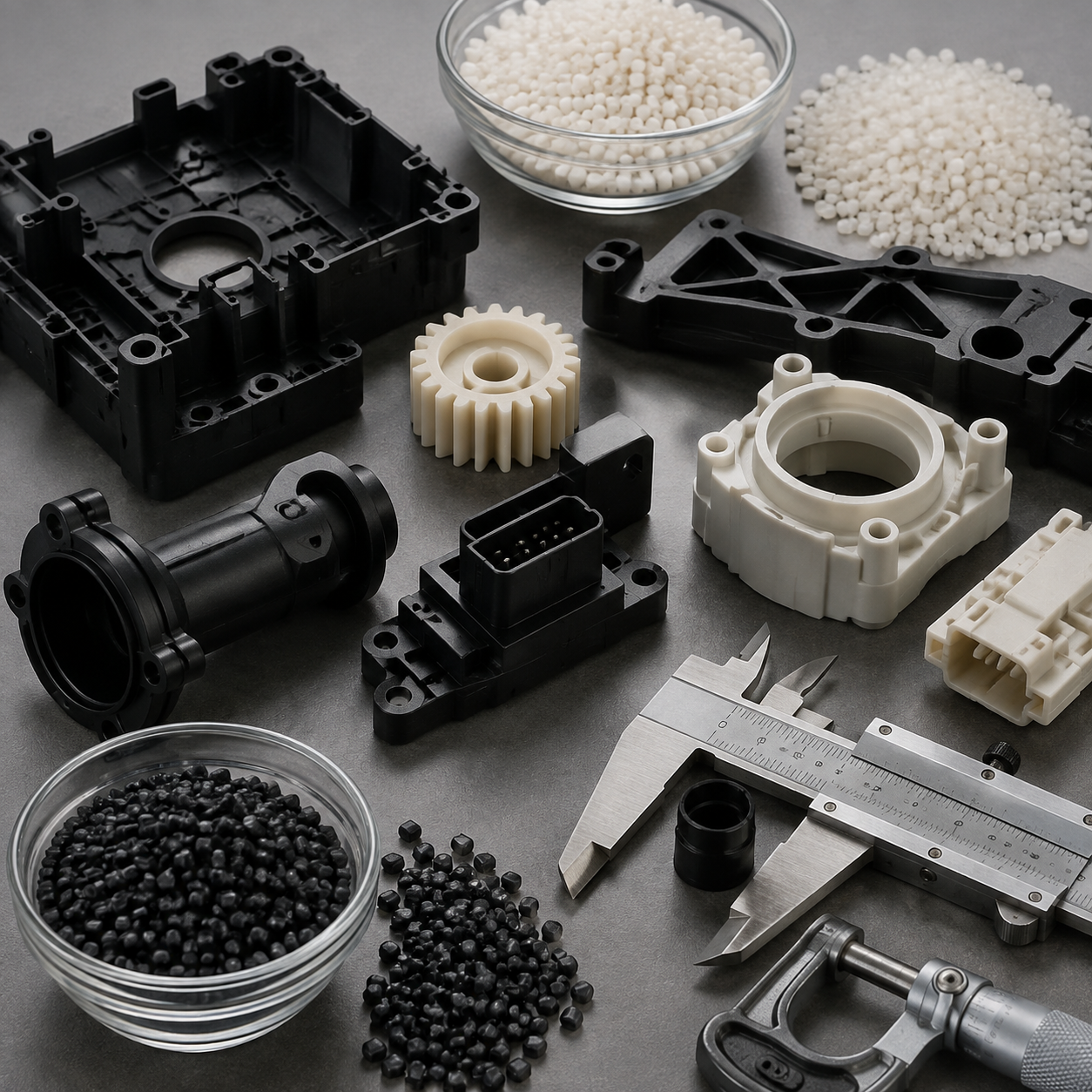
Why Choose WanHan for Engineering Plastic Projects?
Since 2005, WanHan has developed and manufactured functional engineering plastic compounds for automotive, electronics, home appliance, and industrial applications. Our independent R&D, production, and sales capabilities support practical material selection from initial specification through repeat production.
Our ISO 9001, ISO 14001, ISO 45001, and IATF 16949 management systems support controlled production and consistent testing. With in-house testing equipment, export experience across more than 30 countries, and application-focused technical support, WanHan helps teams reduce material-selection risk.
- Custom compounding for glass fiber, carbon fiber, mineral-filled, flame-retardant, impact-modified, anti-UV, and color-customized grades.
- Material matching support for OEM, injection molding, and product development programs.
- Technical data, samples, processing guidance, and quality documentation for validation.
- Export-ready packaging and responsive support for long-term B2B supply projects.
Share the application, part drawing, annual volume, target properties, or existing grade through WanHan's inquiry page. Our team can recommend a suitable compound and arrange sample evaluation.
WanHan can compare PBT, PET, and reinforced or flame-retardant polyester options according to the part function, processing conditions, and service environment.
Frequently Asked Questions
Q: What is the main difference between PBT and PET?
A: PBT and PET are both polyester materials, but they differ in crystallization, processing behavior, moisture response, and the balance of properties available for molded parts.
Q: Is PBT better than PET for electrical connectors?
A: PBT is often considered for electrical connectors because it can offer stable molding and dimensional control, but the final choice depends on the grade and specification.
Q: Does PBT absorb moisture?
A: PBT can absorb moisture, so drying, service humidity, hydrolysis exposure, and the selected grade should be reviewed before production.
Q: Can PBT and PET be glass filled?
A: Yes. Glass-filled PBT and PET grades are available, but reinforcement changes flow, shrinkage, anisotropy, surface appearance, and processing requirements.
Q: Can WanHan help choose between PBT and PET?
A: Yes. WanHan can compare PBT, PET, and modified polyester grades based on part geometry, electrical requirements, heat, moisture, and production conditions.
PA12 vs PA11: Material Differences and Application Guide
What Is ABS Material? Acrylonitrile Butadiene Styrene Properties, Uses, and Processing Guide
Related Article



