
PCR Material in Engineering Plastics: Uses and Limits
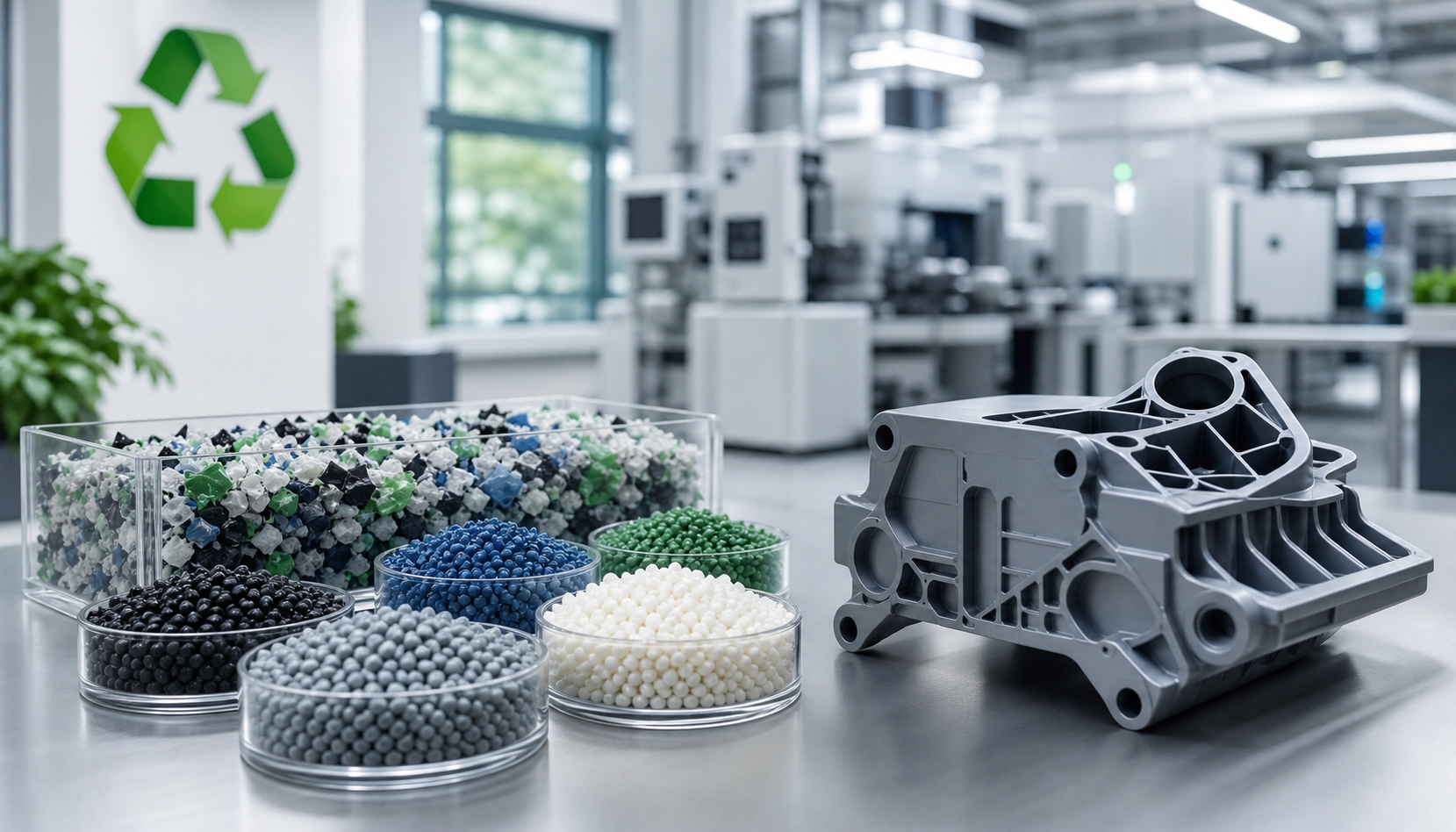
pcr material is becoming more important as buyers ask for recycled content, sustainability data, and lower-carbon material options in industrial plastic parts.
PCR material usually means post-consumer recycled content, but engineering-plastic use still depends on traceability, property stability, contamination control, and end-use approval.
WanHan's broader engineering plastics range and existing nylon and PBT guides provide the right context before a project moves into recycled-content screening.
What PCR Material Means
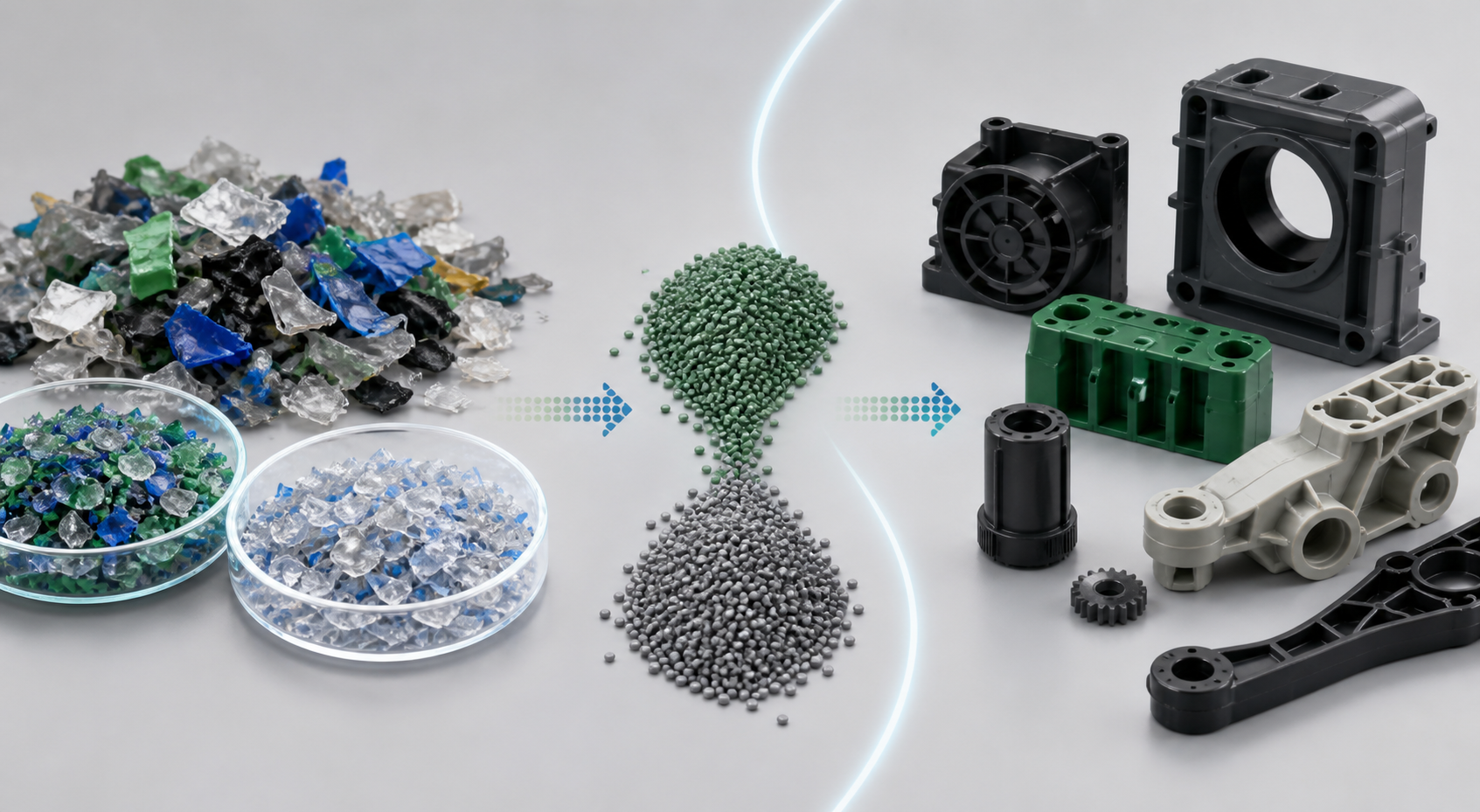
PCR stands for post-consumer recycled material. In plastics, that means the feedstock has already gone through a consumer use stage before being recovered and reprocessed.
In engineering plastics, PCR content is more complex than in simple packaging applications because structural, thermal, and electrical performance still need tight control.
- Recycled-content target by percentage
- Traceability and documentation needs
- Color and consistency limits
- Mechanical-property stability by batch
- End-use approval boundaries
| Question | Why it matters | Recommended verification point |
|---|---|---|
| Source consistency | Mixed feedstock can shift properties | Ask how the PCR stream is controlled |
| Application risk | Not every part can use recycled resin | Clarify load, heat, and safety requirements |
| Documentation | Sustainability claims need support | Request recycled-content and traceability records |
Where PCR Engineering Plastics Work Best
PCR material can be attractive in non-safety-critical housings, selected consumer-industrial parts, and applications where the customer mainly wants a credible recycled-content pathway.
It is less suitable when the part has extreme heat, high load, strict electrical tracking, or a highly regulated specification unless the formulation has already been validated for that exact use.
- Housings and covers with moderate structural demand
- Brand-led sustainability projects
- Selected blends where virgin resin still stabilizes performance
How to Evaluate a PCR Supplier
Sourcing PCR resin should follow a stricter review than standard commodity recycled pellets because the user still expects engineering performance.
- Define whether the project needs PCR percentage, carbon reduction, or both.
- Review the part's structural, electrical, and cosmetic risk level.
- Ask for property consistency, lot control, and traceability support.
- Validate on trial parts before scaling the program.
Frequently Asked Questions
Q: What is PCR material?
A: PCR material means post-consumer recycled material that has been recovered after consumer use and processed for reuse.
Q: Can PCR material be used in engineering plastics?
A: Yes, but the application must be screened carefully for performance, consistency, and traceability.
Q: Is PCR resin always more sustainable than virgin resin?
A: It can support sustainability goals, but buyers still need to verify real recycled content, supply stability, and end-use suitability.
Q: What should be confirmed with a PCR supplier first?
A: Confirm the recycled-content percentage, feedstock consistency, traceability support, and whether the grade has already been screened for the target application type.
Q: Where is PCR engineering plastic usually the safest fit?
A: It is usually the safest fit in selected non-safety-critical housings, brand-led sustainability projects, and applications where recycled content matters but extreme structural demands do not dominate.
Q: Can a supplier recommend hybrid virgin-plus-PCR approaches?
A: Yes. In many projects, a hybrid approach helps maintain more stable engineering performance while still supporting a credible recycled-content target.
Q: Can I request samples and traceability documents before approval?
A: Yes. Sample resin, consistency information, and supporting documentation should be reviewed before scaling any PCR engineering plastic program.
Conclusion
PCR material can strengthen a sustainability program, but only when the recycled-content story is matched with stable engineering performance. WanHan can help screen where recycled engineering plastics are practical and where virgin or hybrid systems are still safer.
Flame Retardant Nylon: UL94 Grades and Applications
PA66 vs PA6: Material Differences and Selection
Related Article



