Nylon 11 vs. Nylon 12: A Comparative Analysis of Performance and Applications

Nylon polymers, renowned for their strength, durability, and versatility, are integral to various industries, from automotive to consumer goods. Two commonly used variations, Nylon 11 and Nylon 12, exhibit distinct properties that make them suitable for specific applications. In this article, we delve into a comparative analysis of Nylon 11 and Nylon 12, exploring their characteristics, strengths, and diverse applications.
Nylon 11: Derived from renewable resources, Nylon 11, also known as polyamide 11, possesses a unique molecular structure. It exhibits a high degree of crystallinity, resulting in excellent mechanical properties and resistance to impact.
Nylon 12: Known for its chemical stability, Nylon 12, or polyamide 12, boasts a slightly different molecular structure. Its amorphous nature provides enhanced flexibility and impact resistance compared to Nylon 11.
Nylon 11: With a higher melting point and a more rigid structure, Nylon 11 offers exceptional dimensional stability, making it ideal for applications requiring precision and resistance to deformation.
Nylon 12: The amorphous nature of Nylon 12 contributes to improved flexibility and impact resistance. It exhibits lower density, resulting in lighter-weight components with excellent chemical resistance.
Nylon 11: Known for its high tensile strength, Nylon 11 is often selected for applications where structural integrity and load-bearing capabilities are crucial. Its stiffness and toughness make it suitable for demanding engineering applications.
Nylon 12: Exhibits excellent impact resistance and flexibility, making it a preferred choice for applications that involve repetitive stress, vibration, or where a degree of elasticity is required.
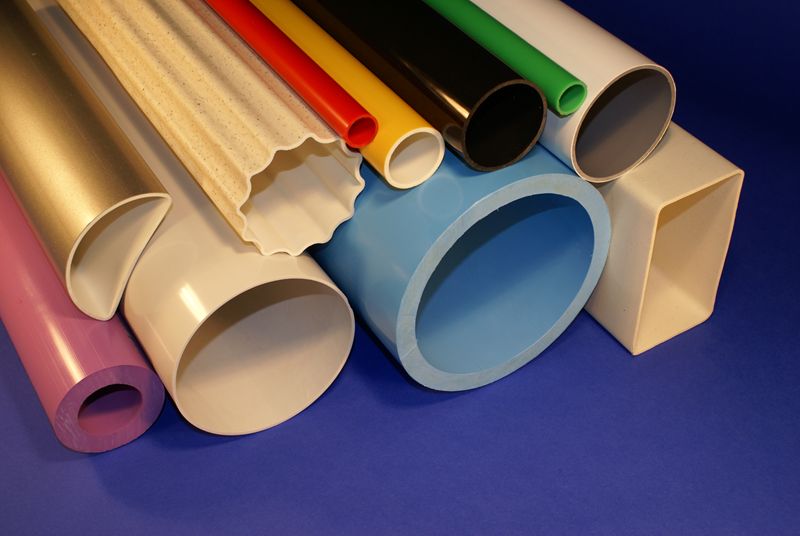
Nylon 11: Possesses notable chemical resistance, making it suitable for applications in harsh chemical environments. This characteristic, combined with its high mechanical strength, renders Nylon 11 ideal for various industrial settings.
Nylon 12: Demonstrates good chemical resistance, particularly against oils and fuels. Its flexibility and resistance to chemical degradation make it suitable for applications in automotive and fluid handling industries.
Nylon 11: Commonly utilized in automotive components, oil and gas pipelines, and electrical connectors due to its high strength, rigidity, and chemical resistance.
Nylon 12: Widely employed in automotive fuel lines, pneumatic tubing, and cable insulation where flexibility, impact resistance, and chemical stability are essential.
Nylon 11: Gains an edge in sustainability due to its bio-based origin, derived from castor oil. This renewable source aligns with environmentally conscious initiatives.
Nylon 12: While not bio-based, Nylon 12's durable nature and lighter weight contribute to resource efficiency and lower environmental impact in certain applications.
In conclusion, the choice between Nylon 11 and Nylon 12 hinges on the specific requirements of the intended application. While Nylon 11 excels in applications demanding high strength and dimensional stability, Nylon 12 shines in scenarios requiring flexibility, impact resistance, and a lighter weight. Understanding the nuanced differences between these two polymers empowers engineers and manufacturers to make informed decisions based on the unique demands of their projects.
PA11 VS PA12
Related Article