
Nylon 12: Properties and Applications
author: WanHan Technology
2023-12-11
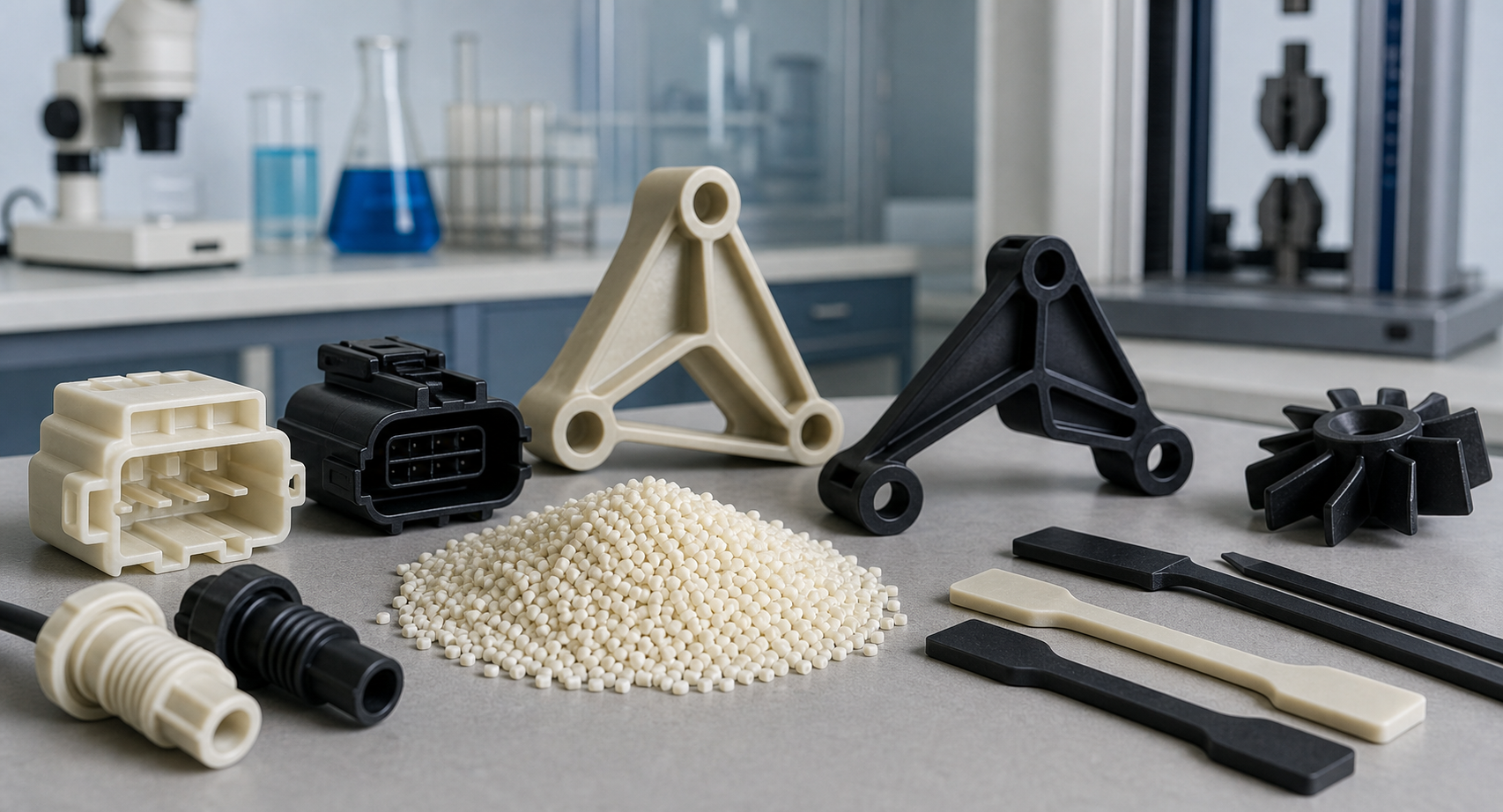
Nylon 12, or polyamide 12 (PA12 for short), is a high-performance thermoplastic polymer with a number of excellent properties that make it widely used in many fields.
1. Melting Point:
The melting point of Nylon 12 is an important parameter in its physical properties. Typically, the melting point of Nylon 12 is about 175-185 degrees Celsius, which gives it good high temperature resistance. This characteristic makes Nylon 12 stable in high temperature environments and suitable for many engineering applications.
2. Material Safety Data Sheet (MSDS):
MSDS is a safety data sheet for chemicals that provides detailed information about the properties, hazards and safe handling of the substance. For Nylon 12, the MSDS provides important information about safety and health issues that may be involved during the preparation, storage, and use of this material. This includes appropriate protective measures, emergency procedures, etc.
3. Thermal Conductivity:
Nylon 12 has a relatively low thermal conductivity, typically in the range of **0.22 - 0.25 W/(m·K)**. This suggests that it is less sensitive to the conduction of heat and could play a role in some applications requiring insulating properties. Its low thermal conductivity also makes it an ideal choice for some applications that require high thermal stability.
4. Young's Modulus:
The Young's modulus of Nylon 12 characterizes its elasticity and stiffness when subjected to force. Typically, the Young's modulus of Nylon 12 is about 1.5 - 2.5 GPa, which means it has relatively high elasticity and flexibility, making it suitable for some applications that require bending and deformation, such as elastic parts and conduits.
Application areas:
Based on the above characteristics, Nylon 12 has been widely used in many fields. It is commonly used in automotive parts, electrical and electronic components, industrial pipes, flexible pipes, conveyor belts and more. Its high wear resistance, high temperature resistance and excellent mechanical properties make it an ideal engineering plastic to meet the needs of various complex applications.
Taken together, Nylon 12 has become one of the important materials in many engineering and industrial fields due to its unique melting point, safety, thermal conductivity and Young's modulus.
What is polyamide 12?
pa12 nylon
Related Article
Engineering and buyer-focused guidance on nylon 6,6 structure and properties, including polymer structure, heat behavior, moisture response, applications, and grade selection.
Nylon 6,6 Structure and Properties: Engineering Polymer Guide
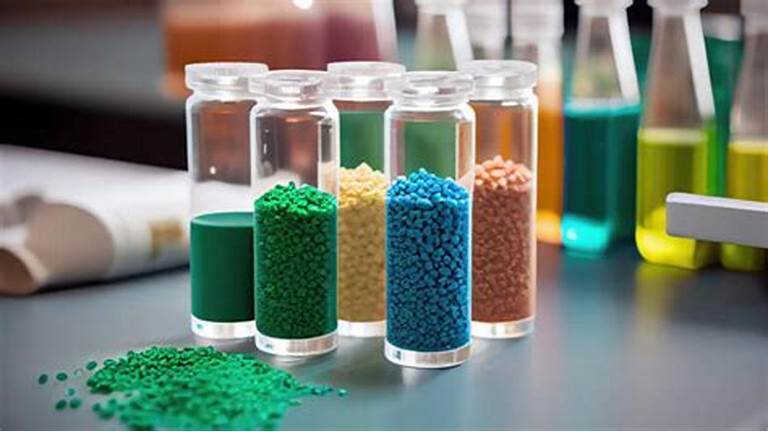
Nylon 6,6, also known as polyamide 6,6, is prepared through a polycondensation reaction between two monomers: hexamethylenediamine (HMDA) and adipic acid. The synthesis involves several steps, leading to the formation of a polymer with repeating units of amide linkages. Here is a simplified overview of the process:
How nylon 6 6 is prepared?
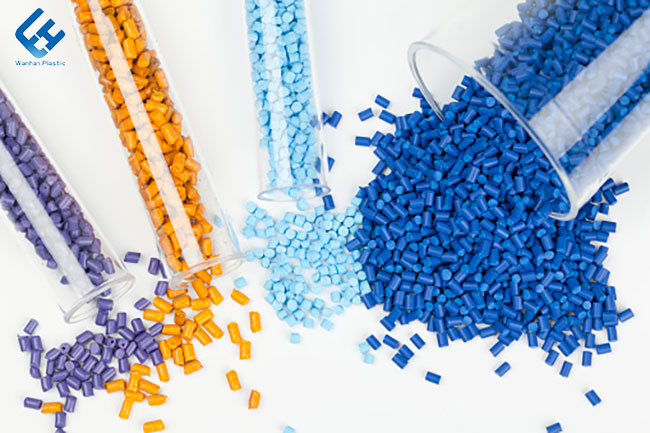
Globally, the shortage of Nylon 6,6 (polyamide 6,6) has attracted much attention. This article will take an in-depth look at Nylon 6,6’s properties, wide range of uses, and its preparation process to better understand the current status and future development of this key material.
Nylon 6,6 shortage: properties, uses and preparation
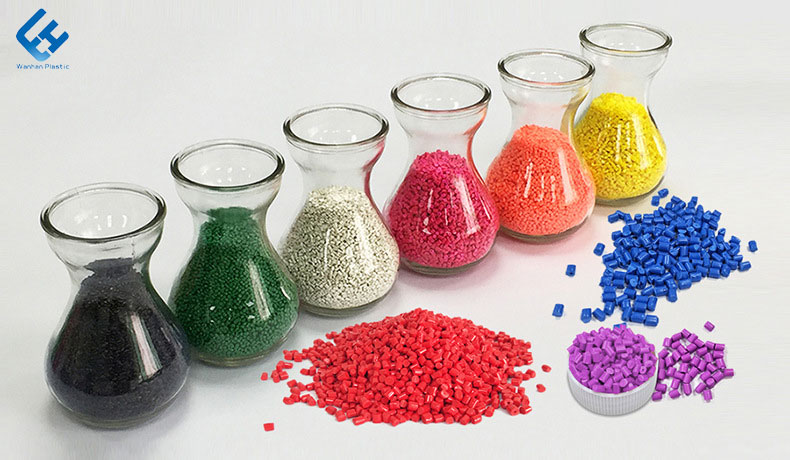
Get a clear, practical comparison of PA6 vs PA12 from WanHan Plastic. Our guide for engineers and buyers includes a comparison table, application examples, and a selection flowchart to help you choose the right nylon for performance, stability, and cost. Make an informed decision with our material expertise.
PA6 vs PA12: Breaking Down the Nylon Choice for Engineers
SEND MESSAGE