
Nylon 6 Raw Material: Polycaprolactam Properties, Supply, and Processing Guide
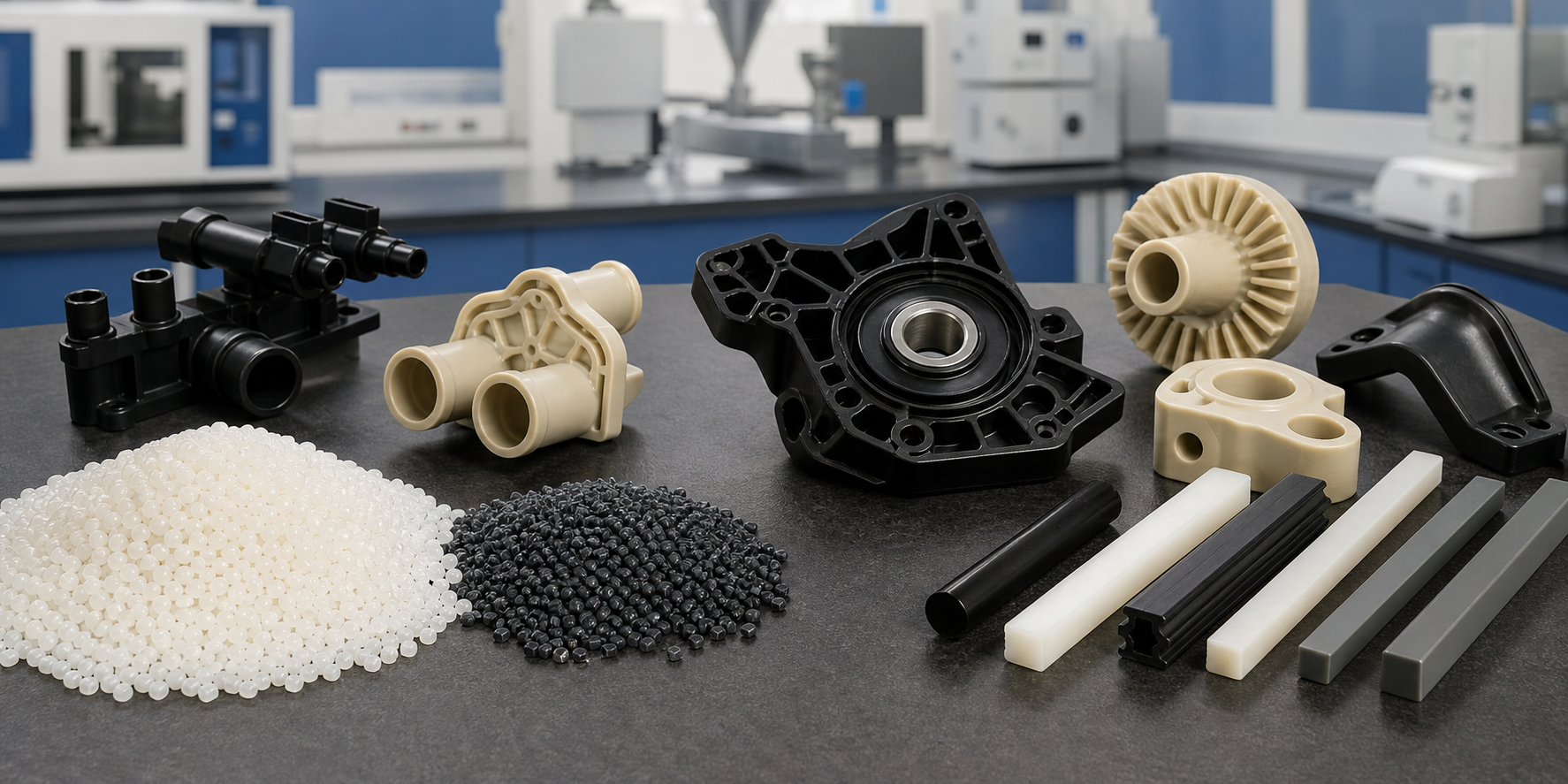
Nylon 6 raw material usually refers to caprolactam-based polyamide 6 resin, also known as polycaprolactam. For B2B buyers, this is not only a naming question. It affects how the resin is processed, modified, reinforced, and selected for molded or extruded technical parts.
In supply and application review, the useful decision is whether base nylon 6 is the right platform, whether the project needs a modified PA6 route, and whether the part should move to PA66, PA12, or another engineering plastic family instead.
WanHan supports PA6 selection for appliance structures, industrial molded parts, electrical components, and reinforced engineering compounds. Related routes include the published PA6 material guide, PA6 GF30 guide, and low-moisture nylon comparison guide.
What Nylon 6 Raw Material Means in Practice
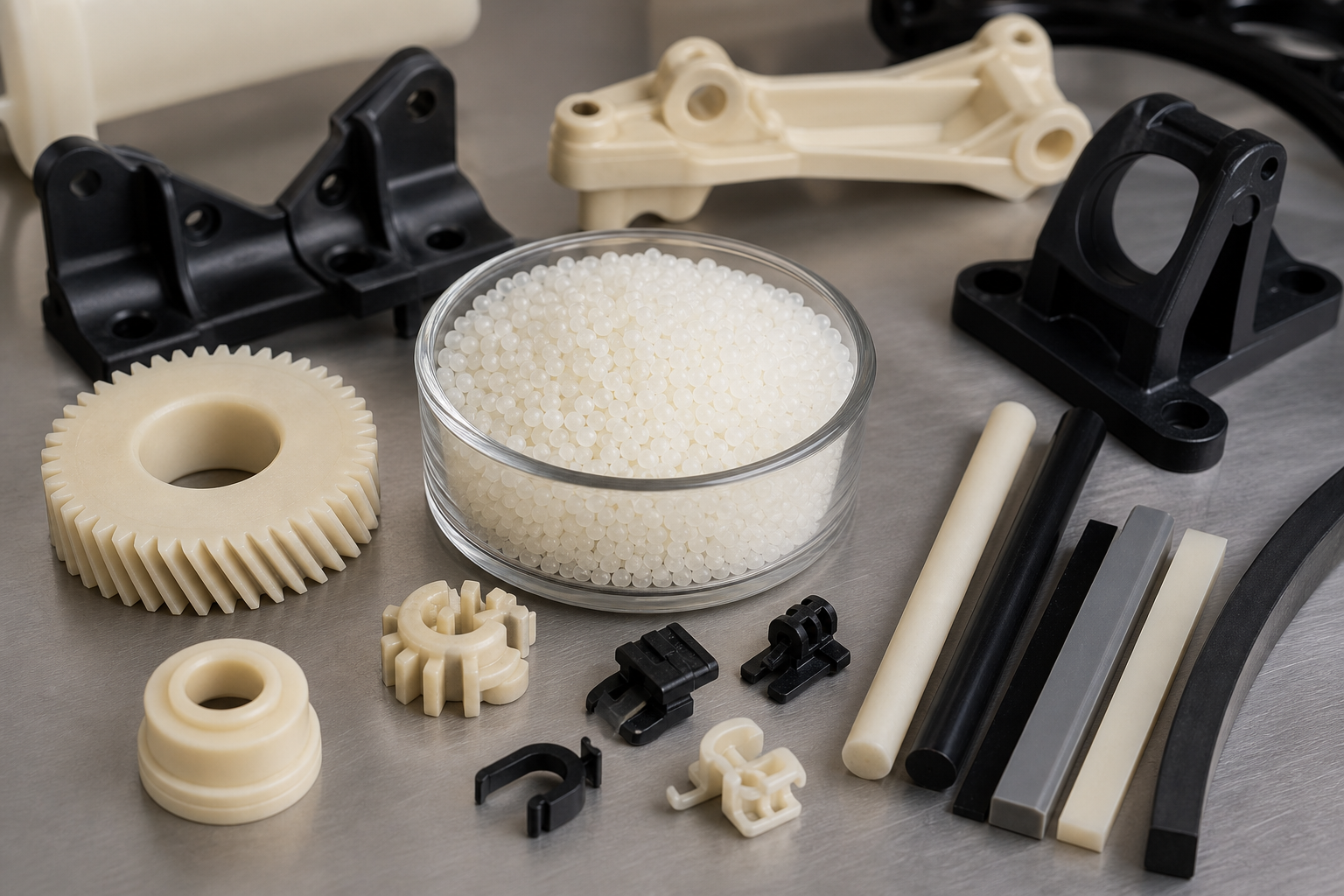
Nylon 6 is produced from caprolactam and belongs to the polyamide family. Buyers often encounter it as base resin for molding, extrusion, glass-filled modification, flame-retardant compounding, or wear-related engineering applications.
Compared with more general-purpose plastics, PA6 is valued because it can deliver a workable combination of strength, toughness, wear resistance, and commercial versatility. Compared with PA66, it often offers a different balance around cost, processing, moisture behavior, and temperature performance.
- Base resin platform for many reinforced and modified PA6 compounds
- Useful for molded and extruded engineering plastic parts
- Often selected for a balance of toughness, strength, and process practicality
- Still requires moisture and dimensional review in real applications
Selection Points for Nylon 6 Raw Material
| Selection point | Why it matters | What the buyer should verify |
|---|---|---|
| Base resin route | The project may need unfilled PA6, GF PA6, FR PA6, or another modified version | End-use part function and reinforcement target |
| Mechanical demand | PA6 supports many engineering applications but must match the part load and wear profile | Strength, impact, friction, and creep requirement |
| Moisture response | PA6 absorbs moisture and this influences dimensions and properties | Tolerance after conditioning and service humidity |
| Processing and supply route | Drying, molding discipline, and batch consistency affect the finished part as much as the resin name | Drying, melt window, regrind control, and stable supply |
Common Uses of PA6 Raw Material
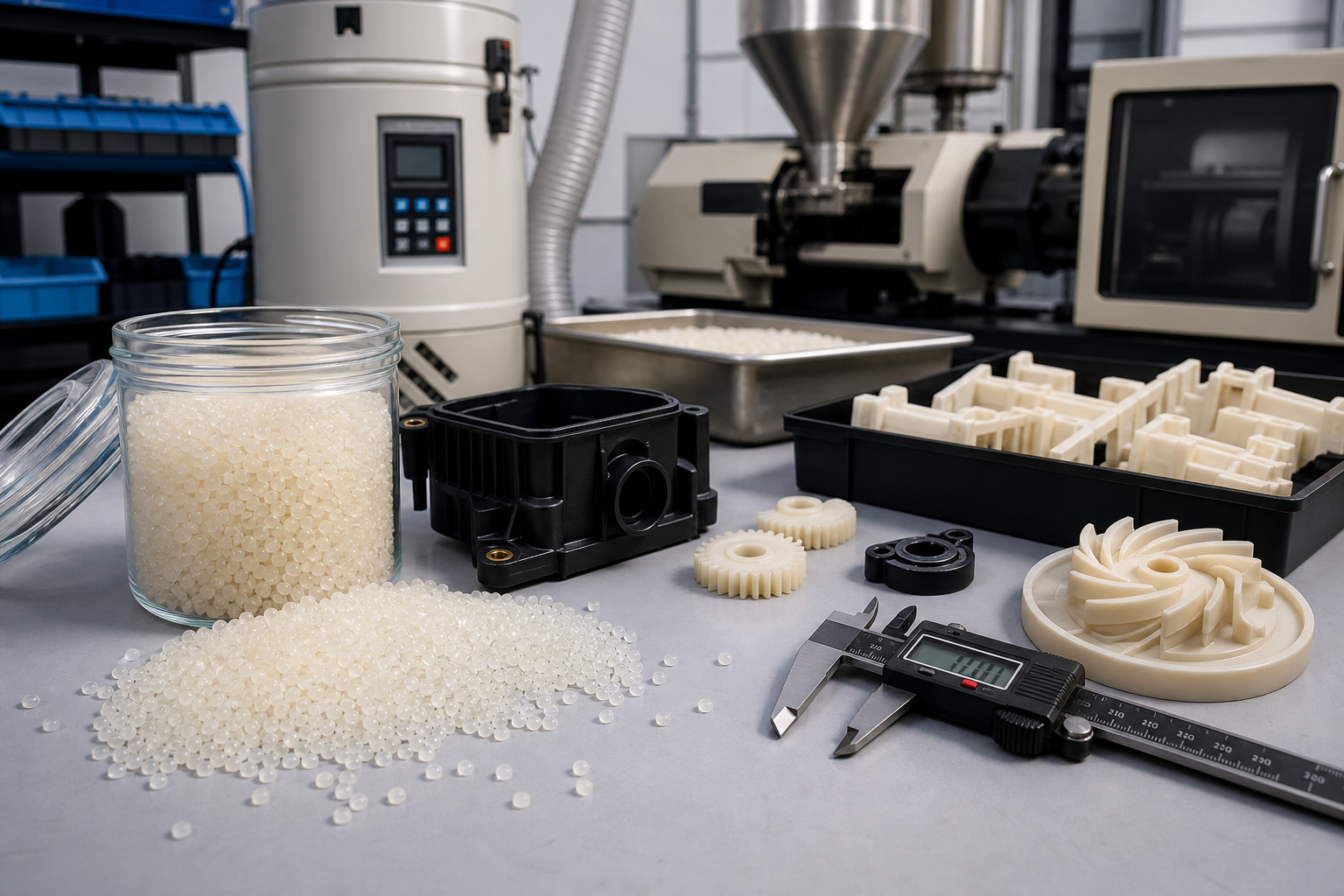
PA6 raw material is widely used where the project wants a versatile engineering nylon platform that can be molded directly or modified for higher-demand parts. It is common in appliance structures, industrial molded parts, electrical components, and reinforced compounds.
In many sourcing projects, base PA6 is not the final selection. It is the starting platform that is then adjusted with glass fiber, flame-retardant systems, heat stabilization, lubrication, color, or wear-oriented modification.
- General engineering molded parts and industrial components
- Appliance structures, clips, brackets, and motor-adjacent parts
- Electrical technical parts and molded supports
- Glass-filled, flame-retardant, and wear-related modified PA6 compounds
When to Compare Nylon 6 with Other Material Families
PA6 should not be selected in isolation. The buyer should still compare it with PA66, PA12, PBT, or PC/ABS when heat, dimensional stability, moisture resistance, or electrical performance become the main decision driver.
That comparison matters most before tooling is finalized, because the base resin route affects molding behavior, long-term performance, and the cost of future material changes.
- Compare with PA66 for stronger heat and structural demand
- Compare with PA12 when low moisture absorption is a higher priority
- Compare with PBT for certain electrical and dimensional-control applications
- Review the modified compound route, not only the generic polymer family
Why Choose WanHan
Since 2005, WanHan has created engineering plastics for sustainable industrial applications, with independent R&D, production, and sales of functional polymer materials.
WanHan is certified with ISO 9001, ISO 14001, ISO 45001, and IATF 16949. Full sets of testing equipment support strict quality control for PA6 compounds used in automotive, electronics, home appliance, and industrial applications.
- PA6, GF PA6, FR PA6, lubricated, heat-stabilized, and custom modified nylon support
- Material selection based on application, process route, and validation target
- Sampling and technical support for engineering molded and modified plastic projects
Request Material Support
Send the part application, mechanical target, service temperature, reinforcement requirement, flame target if needed, dimensional tolerance, and whether the project is injection molded or extruded. WanHan can help match a suitable PA6 raw material or modified nylon route.
Contact WanHan for nylon 6 material support
Frequently Asked Questions
Q: What is nylon 6 raw material?
A: Nylon 6 raw material is caprolactam-based polyamide 6 resin, also called polycaprolactam, used as a base engineering plastic for molded, extruded, and modified compounds.
Q: Is nylon 6 the same as polycaprolactam?
A: Yes. Polycaprolactam is another name for nylon 6 based on its caprolactam raw-material route.
Q: Where is nylon 6 raw material commonly used?
A: It is commonly used for engineering molded parts, appliance structures, electrical components, and glass-filled or flame-retardant modified nylon compounds.
Q: Does nylon 6 absorb moisture?
A: Yes. PA6 absorbs moisture, so buyers should review dimensional tolerance and service conditions when selecting the grade.
Q: Can WanHan supply modified PA6 compounds?
A: Yes. WanHan supports glass-filled, flame-retardant, heat-stabilized, lubricated, and custom modified PA6 compounds according to the application need.
PA6 GF50 Properties, Applications, Processing, and Grade Selection
GF30 Material Explained: What It Means in Engineering Plastics
Related Article



