
Low Moisture Nylon: Materials, Uses, and Selection
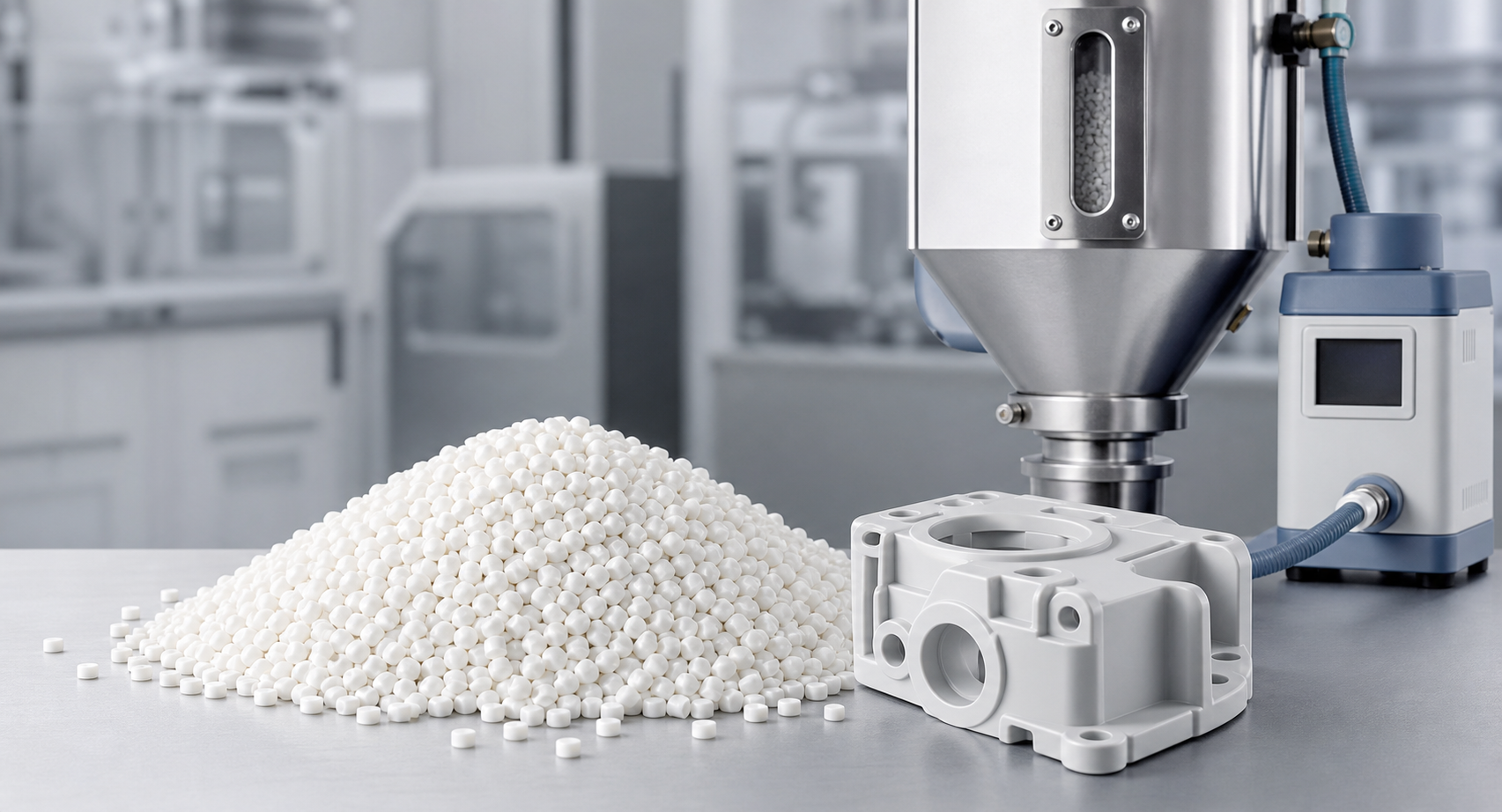
low moisture nylon is a practical search term for buyers who need a nylon with better dimensional consistency in humid or changing environments.
The most common low-moisture nylon candidates are PA12 and PA11, although the right choice depends on flexibility, reinforcement, chemical exposure, and how precise the final part must stay.
WanHan's PA12 guide, PA12 category, and PA12 carbon-fiber grades are directly relevant when screening low moisture nylon solutions.
What Low Moisture Nylon Usually Means
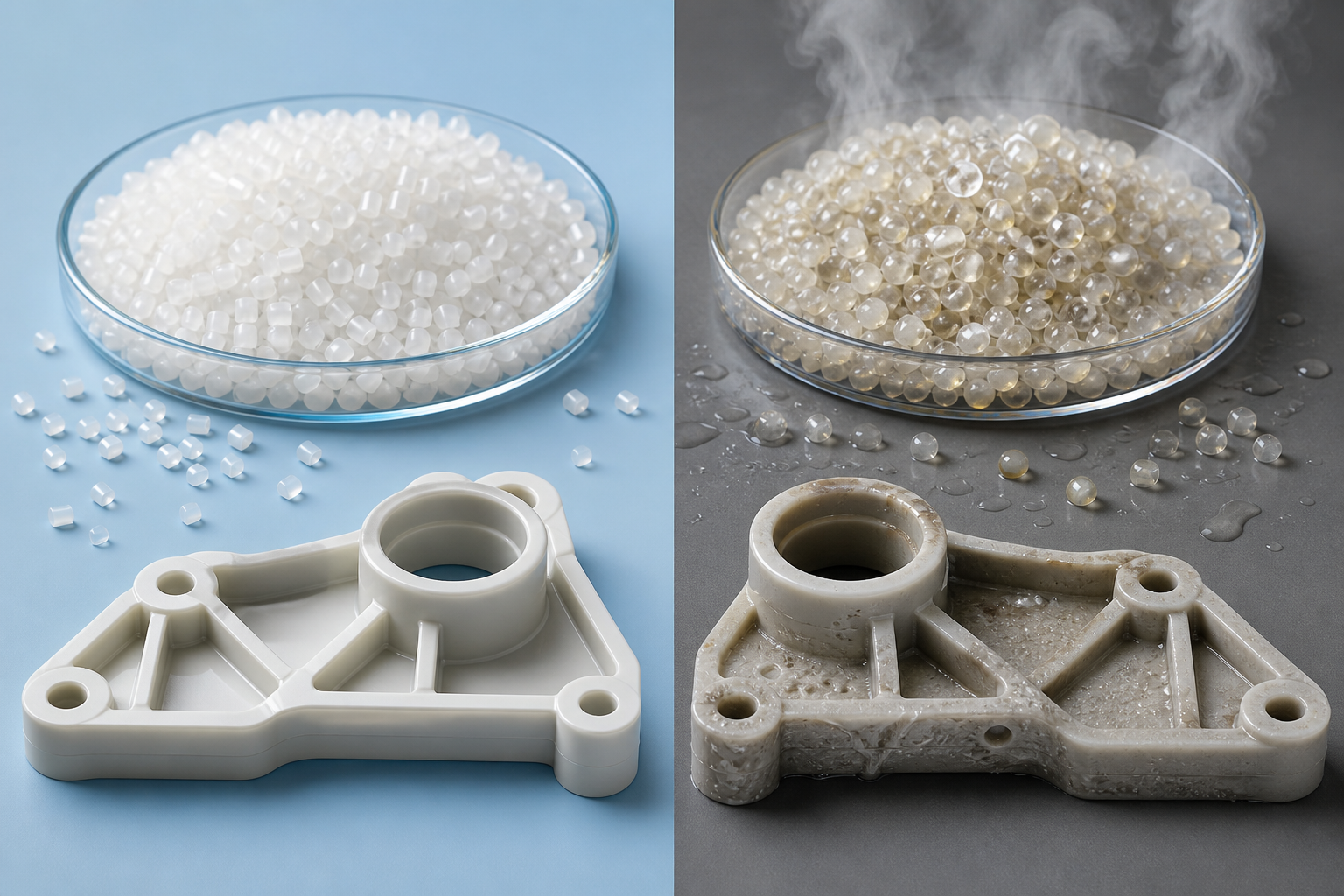
Nylon is widely respected, but many nylon families absorb moisture and change dimensions or mechanical behavior as they condition. That is why buyers search for lower-moisture alternatives.
Low moisture nylon usually points to long-chain polyamides that absorb less water than PA6 or PA66 in normal service conditions.
- Precision molded parts with tighter tolerance needs
- Tubing and line systems
- Outdoor technical components
- Reinforced parts where dimensional retention matters
| Material family | Why it is screened | Typical use direction |
|---|---|---|
| PA12 | Low-moisture positioning and dimensional stability | Precision molded parts, CF systems, tubing |
| PA11 | Low-moisture behavior with toughness and flexibility | Specialty lightweight or flexible technical parts |
| PA6 / PA66 | Mainstream nylons but not low-moisture leaders | General engineering use with more conditioning control |
When Low Moisture Nylon Matters Most
This category matters when fit, alignment, electrical spacing, or repeated humidity exposure can create risk. In those cases, simply choosing a common nylon may not be enough.
Reinforced low-moisture systems can be particularly useful for lightweight engineering structures and carbon-fiber nylon compounds.
- Tight-tolerance technical components
- Automation and robotics parts
- Outdoor and mobility systems
- Parts that cannot tolerate dimensional drift after conditioning
How to Choose the Right Grade
Low moisture nylon is still a broad category, so the supplier should know whether the part needs flexibility, precision, reinforcement, or chemical resistance.
- Confirm whether moisture or tolerance is the main problem to solve.
- Screen PA12 and PA11 first if lower-moisture behavior is a true priority.
- Decide whether the part also needs carbon fiber, glass fiber, or impact modification.
- Approve the final grade after environmental testing on the real part.
Frequently Asked Questions
Q: What is low moisture nylon?
A: Low moisture nylon usually refers to nylon families such as PA12 or PA11 that absorb less moisture than common nylons like PA6 or PA66.
Q: Is PA12 a low moisture nylon?
A: Yes. PA12 is commonly screened when buyers want lower moisture uptake and better dimensional stability.
Q: Does low moisture nylon remove the need for testing?
A: No. It improves the starting point, but the real part still needs validation in the service environment.
Q: When should PA11 be screened along with PA12?
A: PA11 should be screened along with PA12 when flexibility, toughness, or a specialty low-moisture balance matters in addition to dimensional stability.
Q: Where is low moisture nylon usually most valuable?
A: It is usually most valuable in precision molded parts, tubing, outdoor technical components, and reinforced systems that cannot tolerate dimensional drift after conditioning.
Q: Can a supplier recommend low-moisture reinforced options?
A: Yes. A strong supplier should compare PA12, PA11, and reinforced variants against the actual tolerance, environmental, and processing requirements.
Q: Can I request sample grades before making a switch from PA6 or PA66?
A: Yes. Low-moisture candidates should be trialed on real parts before switching away from mainstream nylon systems in production.
Conclusion
Low moisture nylon selection is most valuable when humidity affects tolerances, stability, or performance. WanHan can help compare PA12 and PA11 systems, especially for reinforced or precision-focused applications.
Nylon Pellets Supplier: How to Choose the Right Partner
Glass Filled Nylon: Properties, GF Grades, and Applications
Related Article



