Unlocking the Potential of Nylon 12: Exploring Its Melting Point, Properties, and Diverse Applications
Nylon 12, a versatile and high-performance thermoplastic, stands at the forefront of modern materials with a myriad of applications. In this article, we delve into the unique properties of Nylon 12, its melting point, and the diverse range of applications that leverage its exceptional characteristics.
1. Nylon 12 Melting Point: Nylon 12 exhibits a melting point typically in the range of 178 to 200 degrees Celsius (352 to 392 degrees Fahrenheit). This characteristic makes it suitable for various manufacturing processes, allowing it to be molded and shaped into intricate forms with precision.
2. Nylon 12 Properties:
Chemical Stability: Nylon 12 boasts excellent chemical stability, rendering it resistant to oils, greases, and many solvents. This property makes it ideal for applications in challenging environments where exposure to chemicals is a concern.
Flexibility and Impact Resistance: One of Nylon 12's standout properties is its flexibility and impact resistance. This combination of traits makes it well-suited for applications that demand durability and resilience, such as in automotive components and tubing.
High Tensile Strength: With a high tensile strength, Nylon 12 exhibits robust mechanical properties. This strength makes it a preferred choice for components subjected to significant loads, ensuring structural integrity and reliability.
Lightweight Nature: Nylon 12 is known for its relatively low density, contributing to its lightweight nature. This property is advantageous in applications where reducing overall weight is a key consideration, such as in aerospace or automotive components.
3. Nylon 12 Applications:
Automotive Industry: Nylon 12 finds extensive use in the automotive sector for the production of fuel lines, brake tubing, and various under-the-hood components. Its combination of chemical resistance and strength proves invaluable in these demanding applications.
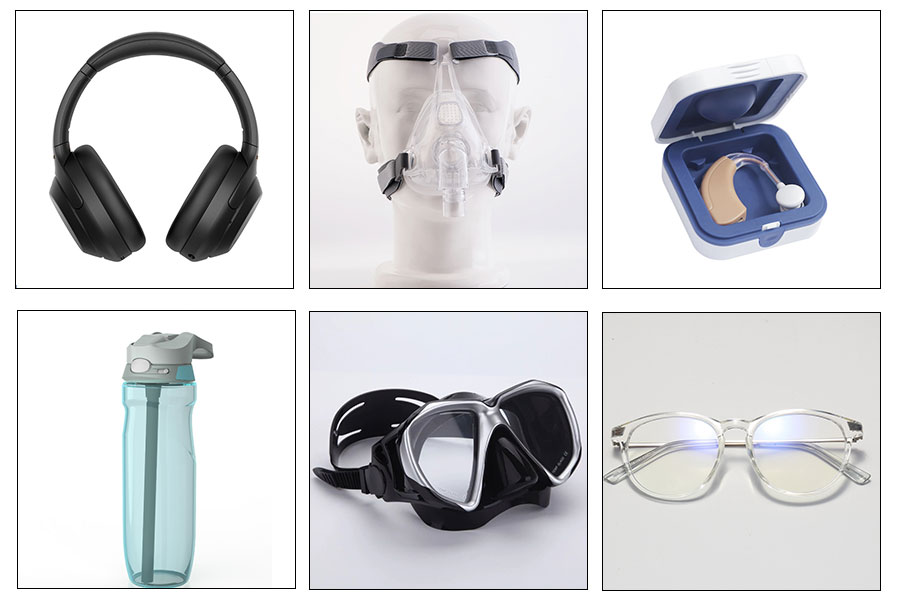
Medical Devices: The biocompatibility and sterilization capabilities of Nylon 12 make it suitable for use in medical devices such as catheters, connectors, and housings where durability and cleanliness are paramount.
Consumer Goods: Nylon 12 is employed in the manufacturing of various consumer goods, including sporting equipment, apparel, and household items. Its lightweight nature and durability contribute to the longevity of these products.
Electronics: In the electronics industry, Nylon 12 is utilized for cable insulation, connectors, and housings due to its electrical insulating properties and resistance to environmental factors.
4. Future Trends and Innovations:
Nylon 12's unique combination of properties, including its melting point, chemical stability, and high tensile strength, positions it as a material of choice across a diverse range of applications. As technology advances and innovations in materials science unfold, the versatile nature of Nylon 12 is likely to fuel its continued adoption in industries seeking high-performance materials that deliver both durability and flexibility.
The Complete Guide to Nylon 12 (PA12): Properties, Applications and Benefits
Advantages and applications of PA12 GF50
Related Article