
What are the injection molding processes of plastic granules?
author: WanHan Technology
2023-12-22
Plastic injection molding is a common plastic processing method used to manufacture a variety of plastic products. The following are the general steps of the injection molding process of plastic pellets:
Raw material preparation: First, plastic particles need to be prepared as raw materials. These pellets are usually provided by plastic pellet manufacturers and are heated and melted during the injection molding process.
Heating and melting: Put the plastic particles into the hopper of the injection molding machine, and convert the solid plastic particles into a flowing molten state through heating and melting. Injection molding machines usually include a screw that rotates and propels plastic particles into a heated barrel.
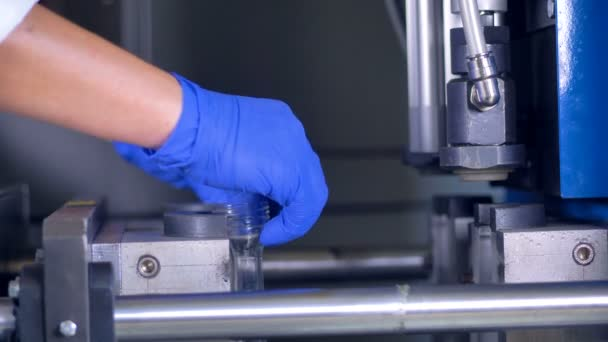
Injection: When the plastic pellets melt into a liquid state, the injection molding machine uses a screw to inject the molten plastic into the mold. This step is called injection.
Mold sealing: After the plastic has filled the mold, the mold is sealed to ensure that the plastic can maintain the desired shape in the mold.
Cooling: Once the plastic has filled the entire mold, cooling is required to allow the plastic to solidify. This is usually achieved by introducing cooling water around or inside the mold.
Mold opening: Once the plastic has cooled sufficiently, the mold is opened and the formed plastic product is ejected. This process is called mold opening.
Processing and Trimming: Sometimes, formed parts may require further processing and trimming to meet the requirements of the final product. This may include trimming, sanding, assembly, etc.
The specific details and conditions of these steps may vary depending on the type of plastic used, product design and type of injection molding machine. In actual production, operators need to adjust and control injection molding process parameters according to specific conditions to ensure the quality and performance of the final product.
Raw material preparation process in injection molding process
What is injection molding?
Related Article
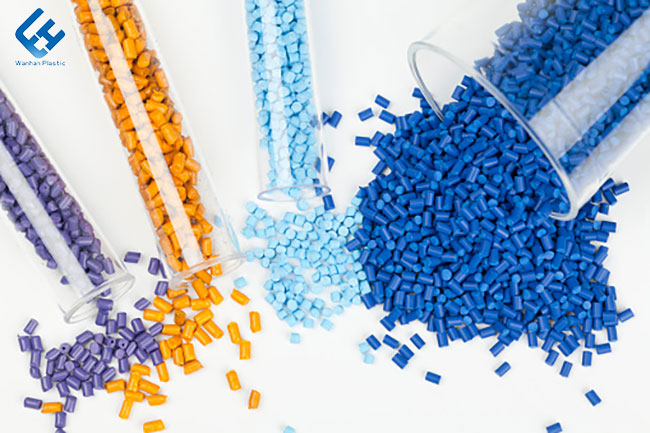
Glass fiber reinforced nylon is a material widely used in engineering fields, with unique properties, a wide range of applications, and diverse production manufacturers. This article will provide an in-depth look at the properties, applications, and manufacturers of fiberglass-reinforced nylon to provide readers with a comprehensive understanding of this material.
What is glass filled nylon?
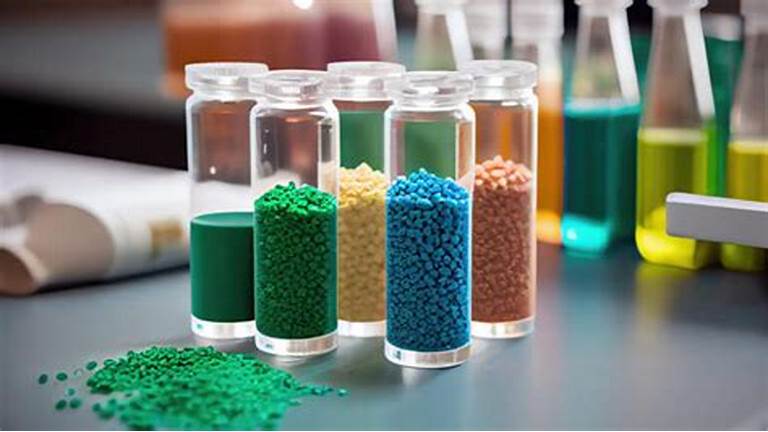
Nylon is a common class of synthetic polymer materials, and there are several models.
Nylon plastic main models
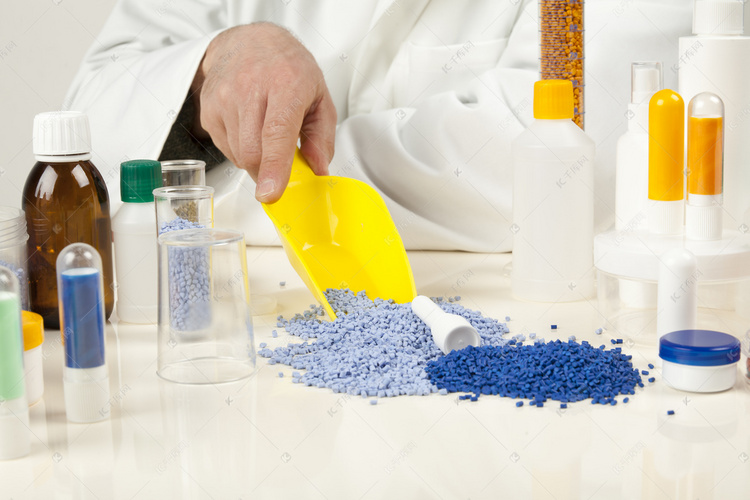
ABS (Acrylonitrile Butadiene Styrene) is a commonly used engineering plastic. It is a copolymer composed of acrylonitrile (Acrylonitrile), butadiene (Butadiene) and styrene (Styrene).What types of ABS material are there?1. Standard ABS: This is the most common ABS...
ABS material Acrylonitrile Butadiene Styrene

SEND MESSAGE