What is pa6?
Polyamide 6, commonly known as PA6, stands as a prominent member of the polyamide family with a rich history and diverse applications. In this article, we delve into the fundamentals of PA6, exploring its composition, properties, and widespread use in various industries.
What is PA6?
PA6, short for Polyamide 6, is a synthetic polymer belonging to the polyamide family, which is characterized by the presence of amide linkages in its molecular structure. PA6 is produced through the polymerization of caprolactam, a monomer consisting of six carbon atoms. This process results in a linear chain polymer with repeating amide units, forming the backbone of PA6's unique structure.
Properties of PA6:
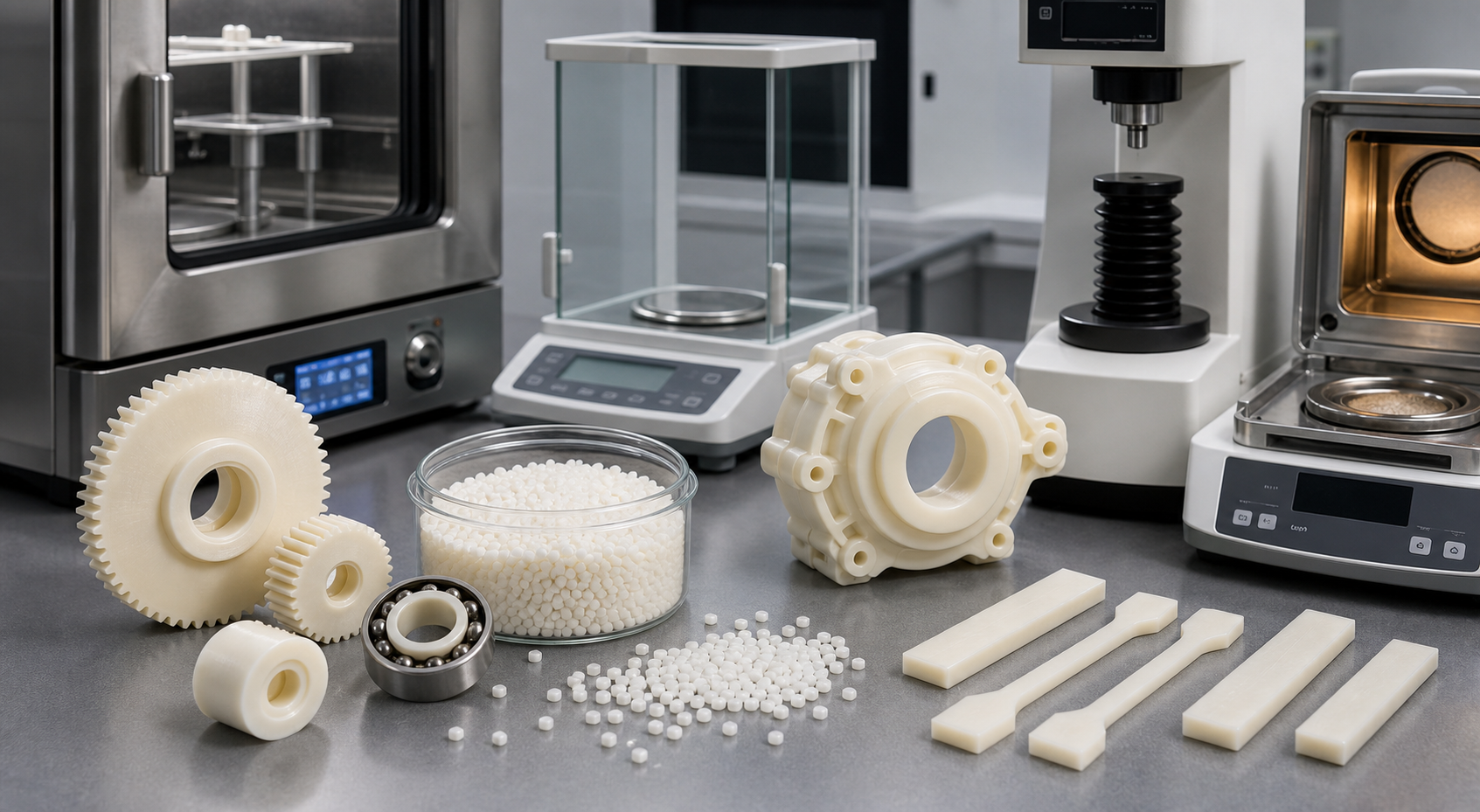
Mechanical Strength: PA6 exhibits impressive mechanical strength, making it well-suited for applications requiring robust materials. Its high tensile strength and impact resistance contribute to its use in various structural components, such as gears, bearings, and automotive parts.
Thermal Stability: PA6 demonstrates good thermal stability, with a melting point typically in the range of 220 to 230 degrees Celsius. This property makes it suitable for applications where exposure to elevated temperatures is a consideration, such as in the production of molded parts.
Chemical Resistance: PA6 displays good chemical resistance to many common solvents and chemicals. This property enhances its durability in challenging environments, expanding its use in industries where exposure to various substances is inevitable.
Versatility in Processing: One notable feature of PA6 is its versatility in processing. It can be easily molded using various techniques, including injection molding and extrusion. This flexibility in processing methods allows for the creation of complex shapes and customized components.
Applications of PA6:
Textiles: PA6 fibers are extensively used in the textile industry to manufacture clothing, hosiery, and carpets. The material's resilience, durability, and ability to retain color make it a popular choice in the world of fashion and interior design.
Automotive Components: PA6's excellent mechanical properties make it a preferred material for various automotive components, including engine parts, interior components, and structural elements. Its lightweight nature also contributes to fuel efficiency.
Consumer Goods: PA6 is utilized in the production of consumer goods such as sporting equipment, electronic devices, and household items. Its versatility and balance of properties make it an ideal choice for creating durable and reliable products.
In conclusion, PA6, derived from the polymerization of caprolactam, exemplifies the ingenuity of materials science. Its unique combination of mechanical strength, thermal stability, chemical resistance, and processing versatility makes it a cornerstone material in a wide array of industries. Whether in textiles, automotive engineering, or consumer goods, the enduring legacy of PA6 continues to shape the landscape of modern materials and applications.
PA6 GF40: Density, Melting Point, and Young's Modulus
Nylon 6: Shrinkage, Melt Flow Index, Tensile Strength, and Hydrolysis
Related Article