Nylon 6: Applications, Properties, and Its Significance
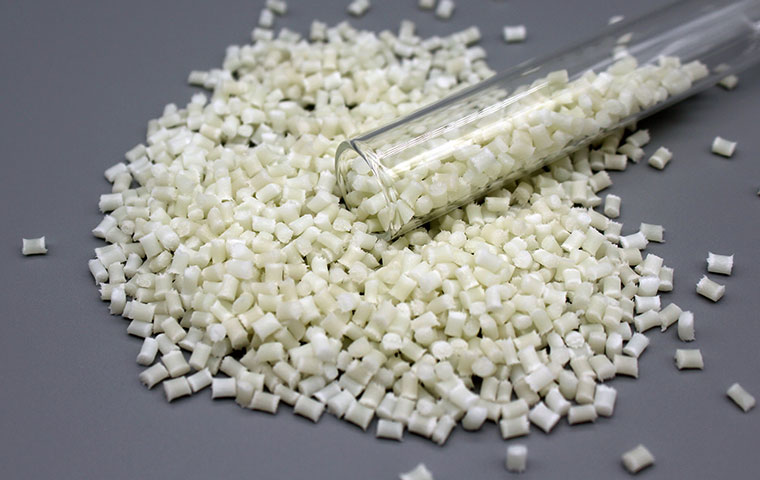
Nylon 6, a synthetic polymer with a rich history, stands as a testament to human ingenuity in material science. In this article, we explore the diverse uses and applications of Nylon 6, delve into its key properties, and provide an insightful explanation of this remarkable material.
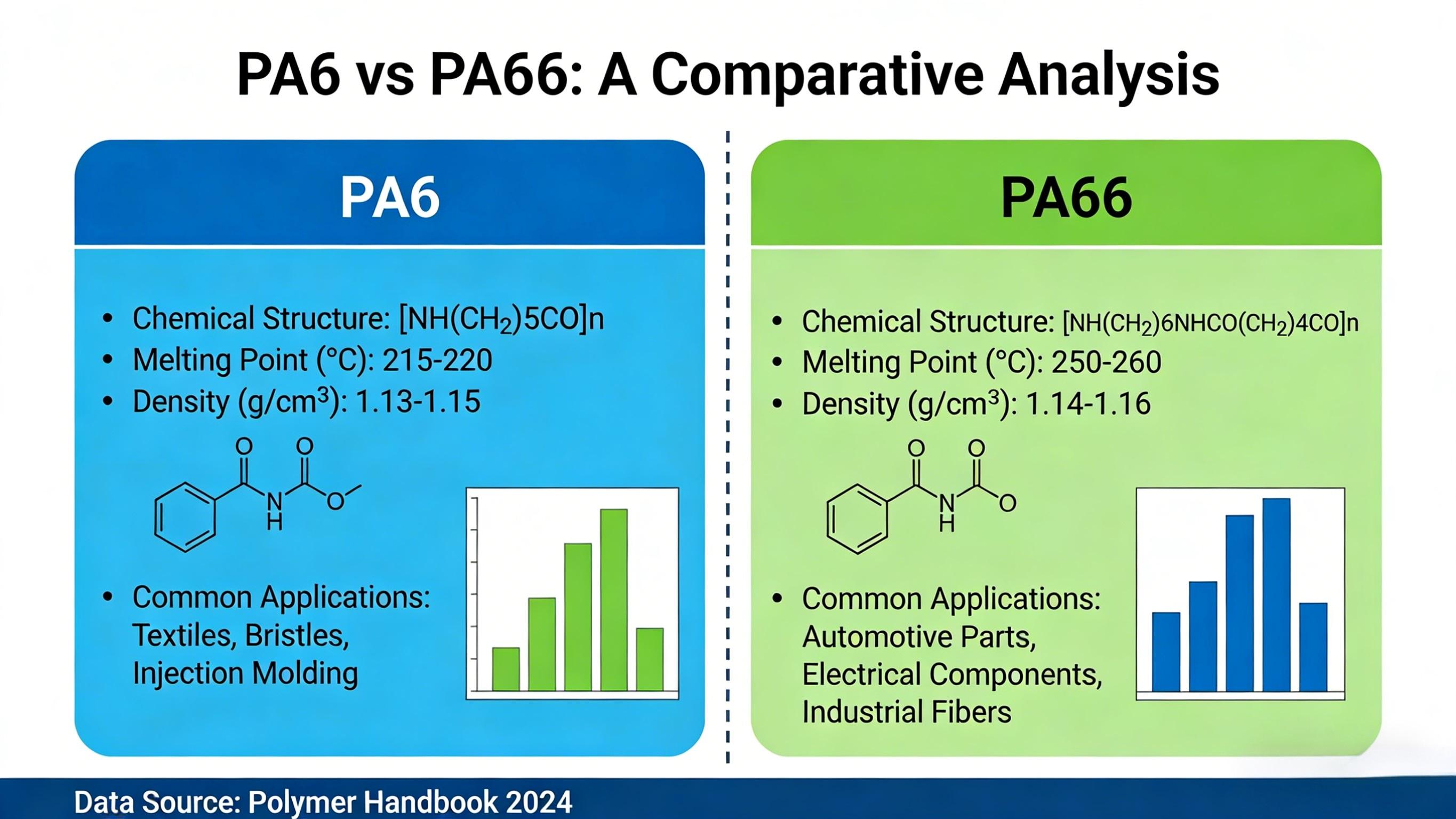
Nylon 6 is a type of polyamide, known for its semi-crystalline structure and unique combination of mechanical and thermal properties. It is synthesized through the polymerization of caprolactam, resulting in a polymer chain with repeating amide units. Nylon 6 is a versatile material that exhibits excellent strength, toughness, and chemical resistance.
Nylon 6 finds extensive use across a multitude of industries due to its remarkable combination of properties. One of its primary applications is in the textile industry, where Nylon 6 fibers are employed to manufacture a variety of fabrics, including clothing, hosiery, and carpets. The material's strength, durability, and elasticity make it an ideal choice for such applications.
In addition to textiles, Nylon 6 is widely utilized in the manufacturing of mechanical components, such as gears, bearings, and bushings, owing to its excellent wear resistance and low friction coefficient. Furthermore, its lightweight nature and robustness contribute to its adoption in automotive components, ranging from engine parts to interior components.
The applications of Nylon 6 extend beyond textiles and mechanical components. The material is extensively used in the production of injection-molded parts, including electrical connectors, cable ties, and various consumer goods. Its versatility in molding processes enables the creation of intricate shapes, making it valuable in industries where design flexibility is crucial.
Nylon 6's electrical insulating properties make it a preferred choice for manufacturing electrical components, such as insulators and connectors. Its ability to withstand high temperatures without compromising its structural integrity further expands its applications in the electrical and electronics industry.
The properties of Nylon 6 make it a standout material in various applications. Its high tensile strength and elongation at break provide durability and flexibility, making it suitable for applications where mechanical stress is a factor. Additionally, Nylon 6's melting point, water absorption, and resistance to abrasion contribute to its adaptability in different environments.
Nylon 6's myriad uses and applications underscore its significance in modern industry. From textiles to mechanical components and beyond, Nylon 6's properties make it a cornerstone material in diverse manufacturing processes. As technology advances, the adaptability and resilience of Nylon 6 continue to position it as a vital player in the world of synthetic polymers.
Nylon 6: Shrinkage, Melt Flow Index, Tensile Strength, and Hydrolysis
Unveiling the Molecular Architecture of Nylon 6: Structural Formula and Composition
Related Article