PA6 vs. PA66 with Glass Fiber: Choosing the Right Engineered Nylon for Your Application
In the world of high-performance polymers, polyamide (PA) – commonly known as nylon – stands as a cornerstone material. Among its family, Polyamide 6 (PA6, Nylon 6) and Polyamide 66 (PA66, Nylon 66) are the two most prominent contenders. When reinforced with glass fibers, such as in PA6 GF30 or PA66 GF30, their properties are elevated to meet demanding engineering challenges. But how do you choose between them? This guide breaks down the key differences to inform your material selection.
Understanding the Base Polymers: PA6 vs. PA66
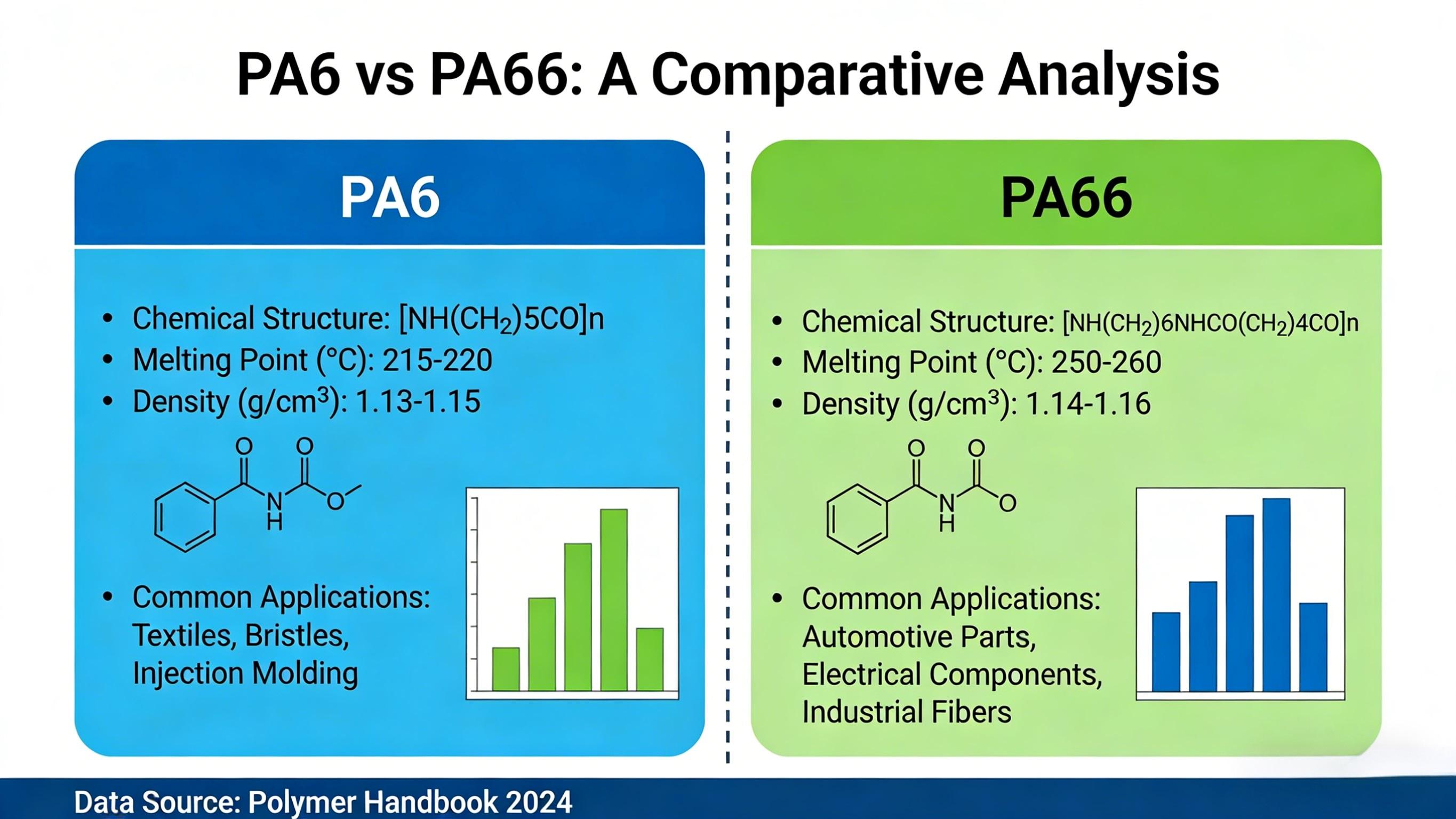
While both are nylons, their chemical structures differ slightly, leading to distinct performance profiles:
-
PA6 / Nylon PA6: Offers excellent toughness, impact resistance, and good surface finish. It has a lower melting point and slightly higher moisture absorption than PA66, which can affect dimensional stability in humid environments.
-
PA66 / Nylon 66: Provides higher strength, rigidity, and better heat resistance right out of the gate. It generally has better resistance to wear and fatigue.
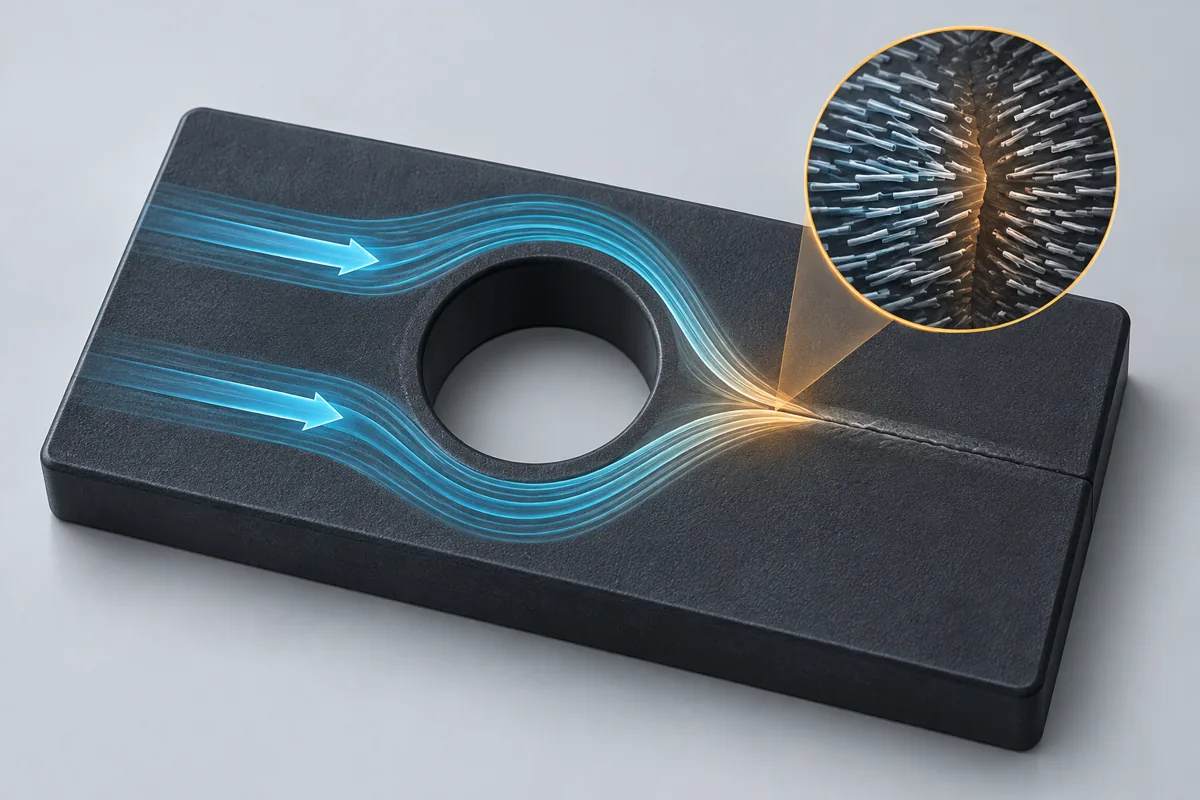
The Game Changer: Glass Fiber Reinforcement (e.g., GF30)
Adding 30% glass fiber (GF30) to both PA6 and PA66 dramatically transforms them into true glass filled nylon engineering materials:
-
Dramatically Increased Strength & Stiffness: The glass fibers carry the load, leading to superior mechanical properties.
-
Improved Thermal Stability: Heat deflection temperature increases significantly.
-
Enhanced Dimensional Stability: Reduced warping and shrinkage, crucial for precision parts.
Head-to-Head: PA6 GF30 vs. PA66 GF30
-
PA6 GF30: A fantastic balanced performer. It combines good toughness from the PA6 base with the strength from glass fibers. It often processes more easily, with better flow for complex molds, and can be more cost-effective. Ideal for parts requiring a blend of strength, impact resistance, and good aesthetics.
-
PA66 GF30: The choice for ultimate performance under stress and heat. It typically delivers higher mechanical strength, rigidity, and thermal resistance compared to its PA6 counterpart. It is often preferred in applications like under-hood automotive components or high-load bearing gears.
Key Application Areas
-
Automotive: Engine covers, cooling fans, intake manifolds (often PA66 GF30), mirror housings, and structural brackets.
-
Industrial: Gears, bearings, rollers, conveyor parts, and electrical housings.
-
Consumer Appliances: Power tool housings, lawn and garden equipment components, and internal supports.
Conclusion & Selection Guide
The choice isn't about which material is "better," but which is more suitable for your specific needs.
-
Choose PA6 GF30 if you prioritize a balance of properties, processability, impact resistance, and cost-effectiveness for technical parts.
-
Choose PA66 GF30 when your design demands the highest possible mechanical strength, rigidity, and thermal resistance in challenging environments.
Uncertain about the best fit for your project? Our material experts at Wanhan New Material can help. We specialize in engineering plastics like PA6, PA66, and their glass-filled variants, providing technical support to ensure your success.
English Meta Description (Brief):
Confused between PA6 GF30 and PA66 GF30? This guide compares Nylon 6 & 66 with glass fiber, helping you choose the right glass filled nylon for strength, heat resistance, and your application. Get expert advice.
PA6: The Versatile Nylon Powering Modern Industries
PA6, PA66, PA6 GF30, PA66 GF30: The Definitive Selection Guide for Engineering Applications
Related Article