PA6, PA66, PA6 GF30, PA66 GF30: The Definitive Selection Guide for Engineering Applications
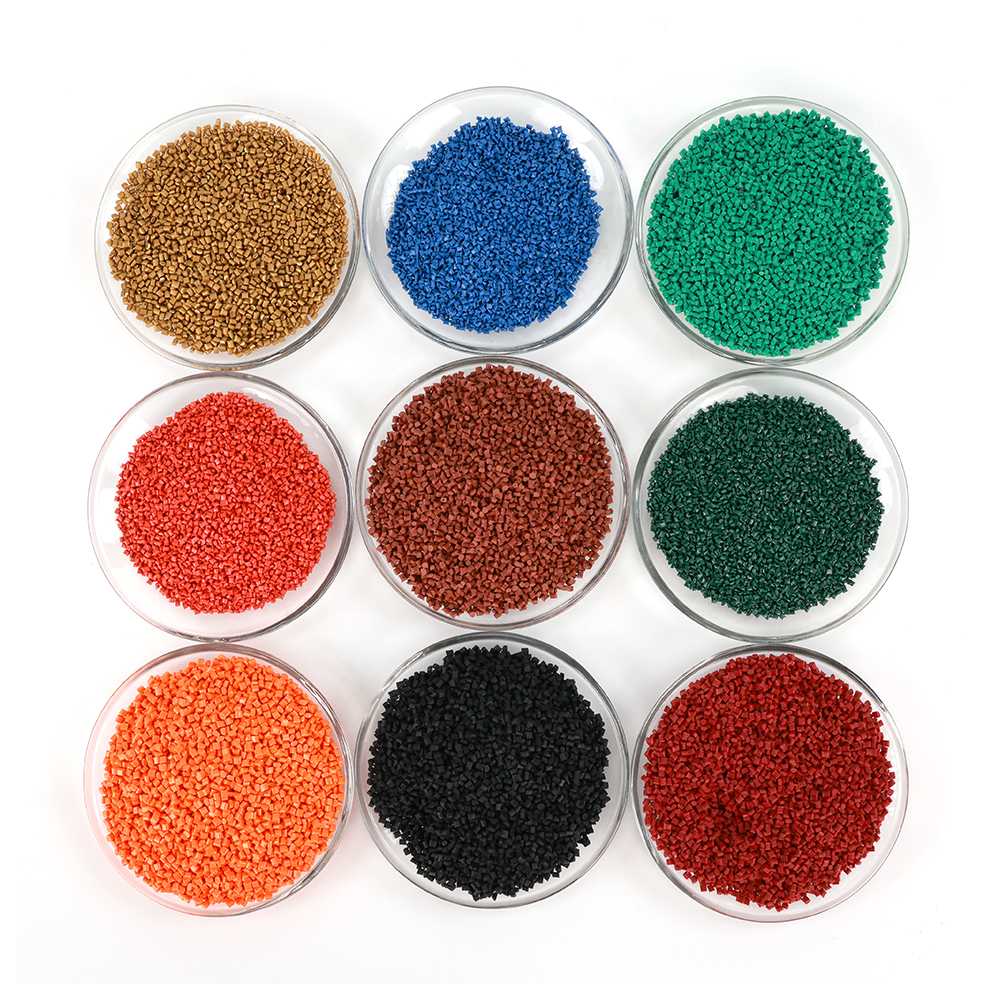
For engineers and procurement specialists, selecting the correct polyamide (Nylon) is a critical decision that directly impacts the performance, durability, and cost-effectiveness of your component. With options like PA6, PA66, and their glass-reinforced variants (GF30), understanding their distinct profiles is key. This guide provides a clear, application-focused comparison to help you specify the optimal material for automotive, industrial, and electrical projects, ensuring reliability from design to production.
Part 1: Core Material Comparison – PA6 vs. PA66
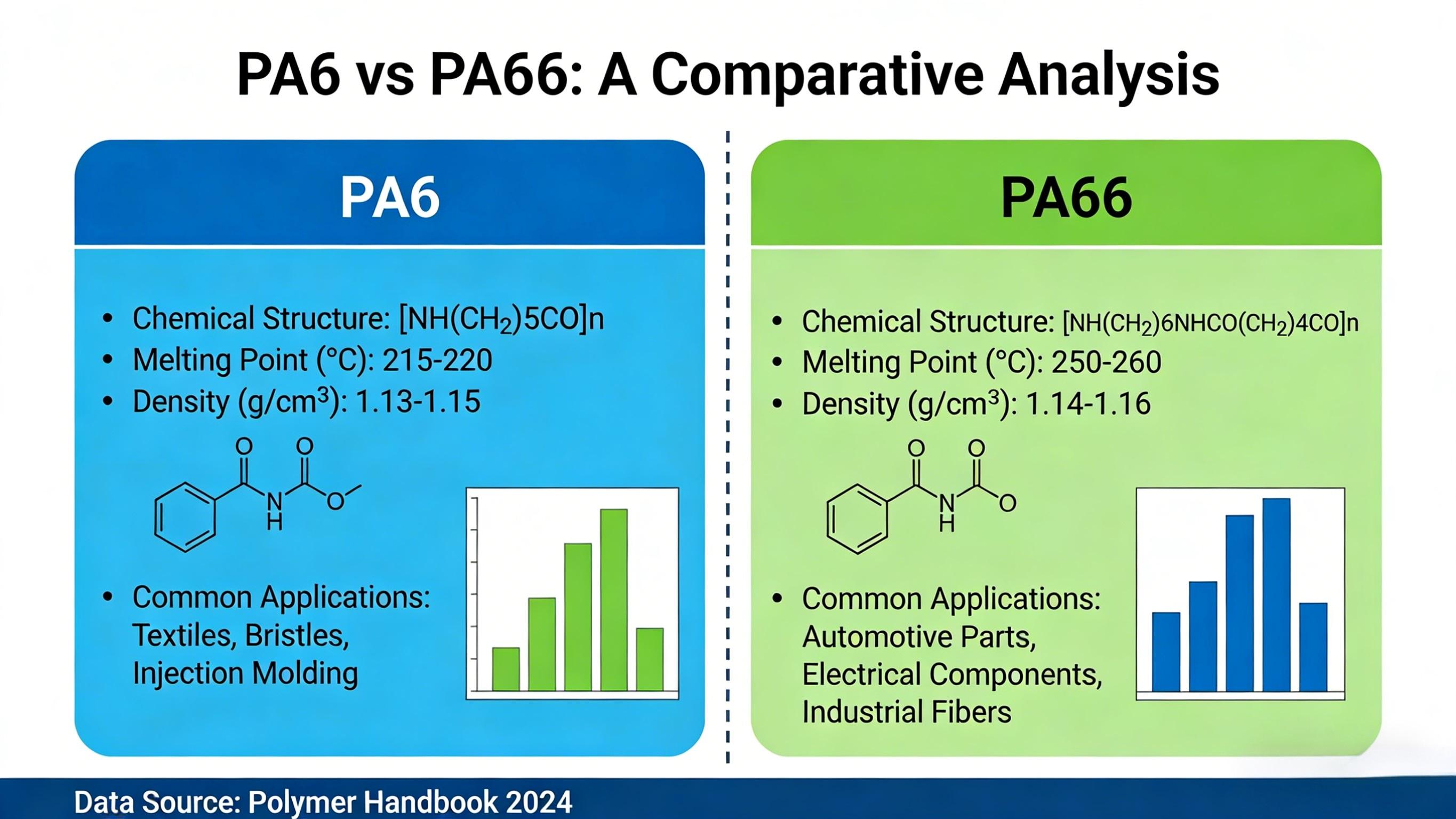
PA6 (Polyamide 6) and PA66 (Polyamide 66) are the workhorses of the nylon family. Their fundamental differences stem from molecular structure, leading to divergent performance characteristics.
| Property / Consideration | Polyamide 6 (PA6 / Nylon 6) | Polyamide 66 (PA66 / Nylon 66) | Engineering Implication |
|---|---|---|---|
| Mechanical Profile | High toughness, excellent impact resistance, and good fatigue recovery. | Higher tensile strength, stiffness, and rigidity under load. | Choose PA6 for parts requiring flexibility and shock absorption; PA66 for maximum structural integrity. |
| Thermal Performance | Lower melting point (~220°C). Good performance up to ~120-150°C continuous use. | Higher melting point (~255-265°C). Superior heat resistance and dimensional stability at elevated temperatures. | PA66 is mandatory for components exposed to sustained high heat (e.g., near engines). |
| Moisture Absorption | Higher absorption rate (~2-3% saturation). Affects dimensions and strength when wet. | Lower absorption rate (~1.5% saturation). Better retention of properties in humid conditions. | For dimensional-critical parts in wet environments, PA66 or glass-filled grades are preferred. |
| Chemical & Wear | Good resistance to many chemicals, oils, and fuels. Good abrasion resistance. | Excellent resistance to oils, greases, and hydrocarbons. Very good wear resistance. | Both are suitable for harsh environments; PA66 may have an edge in specific chemical exposure. |
| Processability & Cost | Easier to process, faster cycle times, generally lower raw material cost. | Requires higher processing temperatures and precise drying. Higher raw material cost. | PA6 offers a favorable overall cost-per-part, making it ideal for high-volume, cost-sensitive applications. |
Procurement & Selection Tip: When evaluating different nylon suppliers for your project, consider not only material properties but also batch consistency, technical support, and customization capabilities. Request specific material data and selection advice for your application here.
Part 2: Enhanced Performance with Glass Reinforcement – PA6 GF30 vs. PA66 GF30
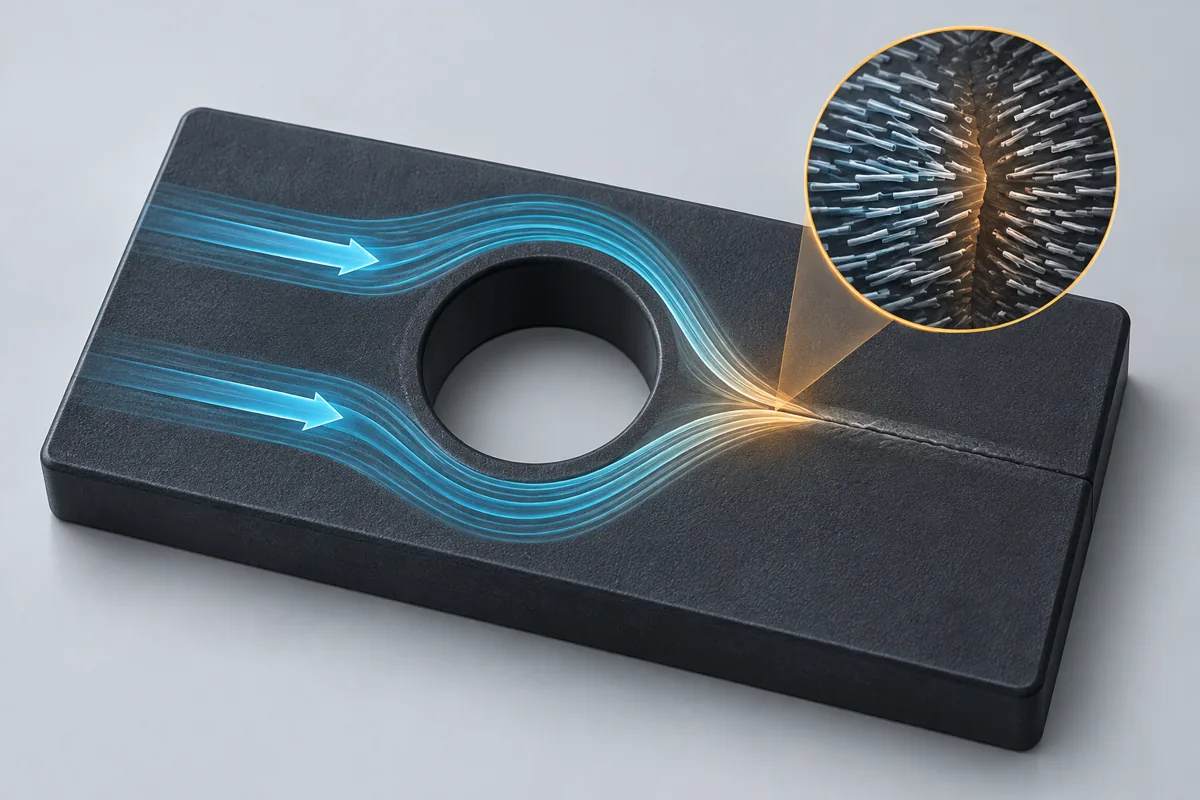
Adding 30% glass fiber reinforcement transforms both materials, significantly boosting mechanical and thermal properties for structural applications.
| Property / Consideration | PA6 GF30 | PA66 GF30 | Engineering Implication |
|---|---|---|---|
| Key Enhancement | Dramatic increase in stiffness, strength, and heat deflection temperature (HDT) over pure PA6. | Exceptional strength, stiffness, and the highest heat resistance in the polyamide family. | GF30 grades are for structural, load-bearing parts where standard nylons would deflect or fail. |
| Typical Tensile Strength | ~70-90 MPa | ~100-140 MPa | PA66 GF30 provides the highest load-bearing capacity for demanding applications. |
| Typical HDT @ 1.8 MPa | ~190-210°C | ~250-265°C | PA66 GF30 is essential for components under mechanical stress at very high temperatures. |
| Dimensional Stability | Greatly improved over PA6, with reduced moisture sensitivity and warpage. | Excellent long-term stability under load and in varying humidity. | Both offer stable performance for precision components. |
| Primary Value | Cost-effective structural upgrade. Excellent stiffness/weight ratio at a competitive price. | Maximum performance premium. For the most demanding requirements where performance is paramount. | The choice often balances peak performance needs against budget constraints. |
Part 3: Application Scenarios – Selecting the Right Material
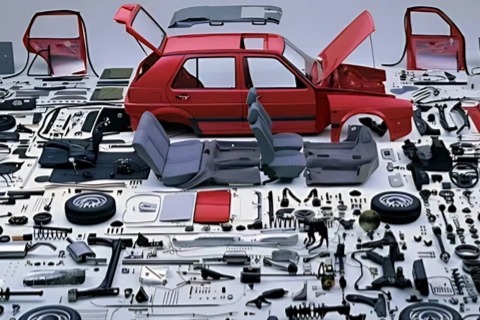
1. Automotive & E-Mobility
-
PA6: Cable ties, fluid reservoirs, cooling system components.
-
PA66: Under-hood connectors, sensor housings, airbag components.
-
PA6 GF30: Engine covers, intake manifolds, structural brackets, electric vehicle battery module housings (Looking for a lightweight, high-rigidity battery enclosure solution? Our materials can be customized).
-
PA66 GF30: High-temperature engine components (e.g., turbo air ducts), heavy-duty structural brackets (Ideal for component procurement with stringent long-term thermal aging requirements).
2. Industrial & Mechanical Engineering
-
PA6: Wear strips, guide wheels, packaging machine components.
-
PA66: Gears, bearings, conveyor belt scrapers.
-
PA6 GF30: Machine frames, housings, support brackets (Provides cost-effective structural material for your equipment manufacturing needs).
-
PA66 GF30: High-stress gears, bearings under heavy load, industrial valve bodies (A common choice from reliable suppliers for extreme wear and load challenges).
3. Electrical & Electronics
-
PA6 & PA66: Electrical enclosures (non-structural), cable glands, insulating components.
-
PA6 GF30: Circuit breaker housings, connector bodies, socket strips (Need electrical housing materials compliant with safety certifications? We offer compliant formulations).
-
PA66 GF30: Miniature circuit breakers (MCB), power distribution components for high-heat processes.
Part 4: Choosing the Right PA6/PA66 Supplier: Value Beyond Price
Selecting the right supplier is a strategic decision. A specialized manufacturer like WanHan Plastic provides critical advantages beyond a basic quotation:
-
Customization & Value Engineering: We develop tailored solutions—such as modified flow grades or UV-stabilized compounds—to optimize performance and cost for your specific application.
-
Technical Processing Support: Our expertise in drying protocols and mold design consultation helps prevent issues like warpage, ensuring quality from the first shot and reducing your total procurement risk.
-
Consistency & Certification: Our in-house laboratory and IATF 16949 certification guarantee batch-to-batch consistency, providing reliability for volume production.
Conclusion & Next Steps
PA6 remains the versatile, cost-effective choice for tough, non-structural parts. PA66 delivers higher performance for heat and chemical exposure. Their GF30 variants unlock structural applications, with PA6 GF30 offering the best value and PA66 GF30 delivering peak performance.
Ready to Specify Your Material?
-
Explore Our Polyamide Portfolio: Discover our range of standard and modified grades on our PA6 product category page.
-
Discuss Your Application & Request a Quote: Contact us via our inquiry form for a technical consultation and a competitive quotation.
-
Request a Sample: Validate performance with a sample before finalizing your procurement decision.
Partner with an expert supplier to ensure your design is built on the right material foundation.
PA6 vs. PA66 with Glass Fiber: Choosing the Right Engineered Nylon for Your Application
Navigating Glass-Fiber Reinforced Nylons: A Technical and Sourcing Guide to PA6 GF30 and PA66 GF30
Related Article