PA6 GF30 Complete Guide: Injection Molding Grades vs. 3D Printing Filament
PA6-GF30, a polyamide 6 reinforced with 30% glass fibers, is a cornerstone of modern engineering. Its exceptional balance of strength, stiffness, and heat resistance makes it indispensable across industries. Traditionally, this material has been the domain of injection molding. However, the landscape is evolving. With innovators like Forward AM (BASF) introducing products like Ultrafuse® PA6 GF30, this high-performance material is now also accessible for industrial 3D printing via Fused Filament Fabrication (FFF).
This comprehensive guide explores the world of PA6-GF30, comparing its use in both traditional manufacturing and additive manufacturing, and highlighting what to look for in a world-class supplier like Guangdong Wanhan New Material Technology Co., Ltd.
What is PA6-GF30? A Material for Two Worlds
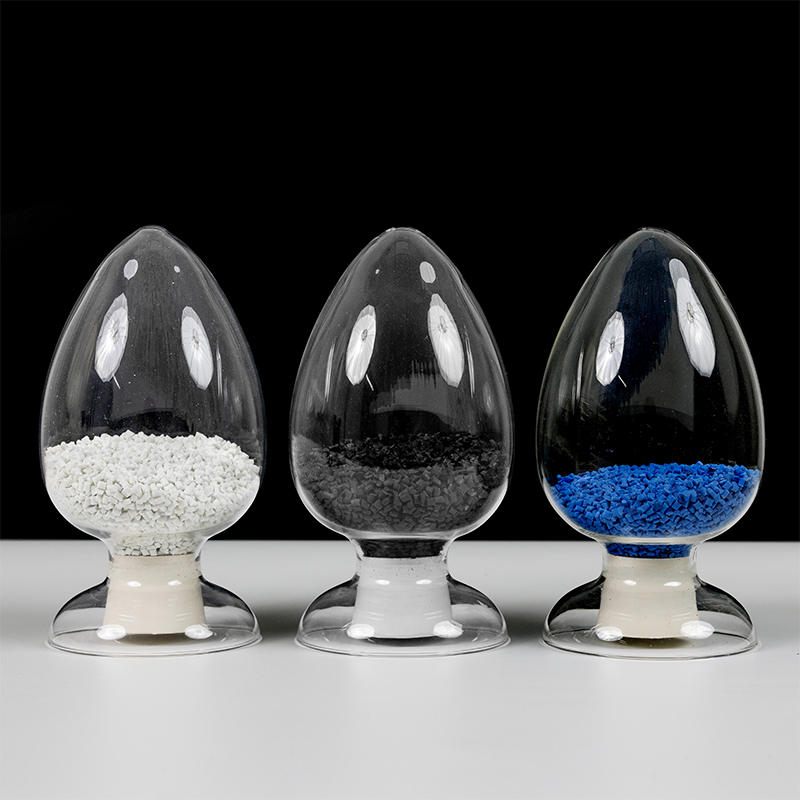
At its core, PA6-GF30 is a composite material consisting of a Polyamide 6 (Nylon 6) matrix reinforced with 30% glass fibers. This reinforcement dramatically enhances the base polymer's mechanical and thermal properties, creating a material suitable for demanding structural applications.
Today, PA6-GF30 exists in two primary forms for manufacturers:
-
Injection Molding Grades: Pellets designed for high-volume production of parts.
-
Filaments for 3D Printing: Engineered for low-volume production, functional prototyping, and complex geometries, as exemplified by Ultrafuse® PA6 GF30.
Part 1: PA6-GF30 in Injection Molding
In traditional manufacturing, PA6-GF30 pellets are the workhorse material for producing durable, high-performance parts.
Key Properties and Datasheet Insights
The table below compares typical properties for a high-quality injection molding grade from WanHan Technology against industry benchmarks.
| Property | Test Method | Unit | WanHan® PA6-GF30 (Typical Value) | Industry Standard (e.g., AKROMID® B3 GF 30) |
|---|---|---|---|---|
| Mechanical Properties | ||||
| Tensile Strength | ISO 527 | MPa | 175 | ~155 - 185 |
| Flexural Modulus | ISO 178 | MPa | 8500 | ~8500 - 9500 |
| Notched Impact Strength (Izod) | ISO 180 | kJ/m² | 17 | ~10 - 17 |
| Thermal Properties | ||||
| Heat Deflection Temperature (HDT) | ISO 75 | °C | 175 | ~150 - 210 |
| Physical Properties | ||||
| Flammability | UL94 | Class | HB (1.6mm) | HB |
Why Injection Mold with PA6-GF30?
-
High Strength & Stiffness: Perfect for load-bearing components in automotive and industrial machinery.
-
Excellent Heat Resistance: Maintains integrity in high-temperature environments like engine bays.
-
Dimensional Stability: Low mold shrinkage ensures parts meet tight tolerances .
Common Injection Molding Applications
-
Automotive: Engine covers, intake manifolds, cooling fans.
-
Industrial: Gears, bearings, pump impellers.
-
Electronics: Connectors, switch housings.
Part 2: PA6-GF30 in Additive Manufacturing (3D Printing)
The introduction of materials like Ultrafuse® PA6 GF30 by Forward AM has revolutionized what's possible on an FFF 3D printer. This filament brings the properties of reinforced engineering plastics to the desktop and production floor.
What Makes Ultrafuse® PA6 GF30 Unique?
According to Forward AM, Ultrafuse® PA6 GF30 is a "unique compound specifically developed for FFF printing." Its formulation addresses key challenges in 3D printing reinforced materials:
-
Reduced Warping: The 30% glass fiber content helps parts resist warping during the cooling process, enabling more reliable prints.
-
Excellent Layer Adhesion: This ensures that printed parts have mechanical properties closer to their injection-molded counterparts.
-
Compatibility: It works seamlessly with the water-soluble support material Ultrafuse® BVOH, allowing for the printing of complex geometries with ease.
Material Properties in 3D Printed Parts
It's crucial to understand that 3D printed parts exhibit anisotropic properties, meaning their strength varies based on print orientation. The data for Ultrafuse® PA6 GF30 illustrates this clearly:
| Property | Test Condition / Orientation | Typical Value |
|---|---|---|
| Tensile Strength | XY Orientation | 78.3 MPa |
| ZX Orientation | 14.9 MPa | |
| Flexural Modulus | XY Orientation | 4694 MPa |
| XZ Orientation | 8103 MPa | |
| Impact Strength (Charpy unnotched) | XY Orientation | 38.9 kJ/m² |
| ZX Orientation | 2.2 kJ/m² | |
| Heat Deflection Temperature (HDT) | @ 0.45 MPa | 110 - 114 °C |
Key Takeaway: While the Z-axis strength is lower (a common trait in FFF printing), the XY properties are exceptional, making the material suitable for functional parts where stress is applied along the layers.
Printing Guidelines for Ultrafuse® PA6 GF30
-
Nozzle Temperature: 240 - 280 °C
-
Bed Temperature: Passively heated, closed chamber recommended.
-
Nozzle Diameter: ≥ 0.6 mm (to handle abrasive glass fibers).
-
Print Speed: 30 - 150 mm/s.
Real-World 3D Printing Applications
The ability to 3D print PA6-GF30 opens up new possibilities:
-
Functional Prototyping: Create prototypes that truly represent the mechanical performance of final injection-molded parts.
-
Industrial Tooling: Print durable jigs, fixtures, and end-of-arm tooling for manufacturing lines.
-
Automotive & Transportation: As demonstrated by CARLAYERS in collaboration with Forward AM, Ultrafuse® PA6 GF30 is used to produce low-volume, high-performance brake ducts for motorsports—a perfect example of end-use part production.
Choosing Your PA6-GF30 Partner: Why WanHan Technology Excels
Whether you need PA6-GF30 for high-volume injection molding or are exploring its potential in 3D printing, the quality of the raw material is paramount. This is where Guangdong Wanhan New Material Technology Co., Ltd stands out.
Guangdong Wanhan New Material Technology Co., Ltd is not just a trader; it is a premier enterprise centered on the research, development, production, and sales of top-tier modified plastics. Based in Huizhou city, Guangdong province, China, the company has emerged as a prominent player since its establishment in 2005.
As a significant producer of plastic pellets, Wanhan Technology possesses an autonomous R&D center and a comprehensive physical quality experimentation facility, equipped with cutting-edge production line equipment. The company's extensive product range encompasses PA, PBT, PP, PC, PC/ABS, ABS, special engineering plastics, as well as tailor-made solutions.
Why Partner with WanHan?
-
Vertically Integrated Manufacturing: Direct control over quality from raw material to finished pellet.
-
Customization Capabilities: An autonomous R&D center allows them to develop tailor-made solutions to meet your specific application requirements .
-
Proven Track Record: Their materials are trusted in demanding applications across automotive, electronics, and industrial sectors.
Conclusion
PA6-GF30 remains a vital material for modern manufacturing, bridging the gap between standard plastics and metals. Today, it serves two parallel tracks: the high-volume world of injection molding and the design-flexible world of industrial 3D printing. Whether you are producing thousands of units or a single, complex prototype, understanding the properties and sourcing of this material is key to success.
By choosing a partner with deep R&D capabilities and a commitment to excellence, like Guangdong Wanhan New Material Technology Co., Ltd, you ensure your products—whether molded or printed—are built on a foundation of superior material science.
Learn More:
-
Explore WanHan's specific PA6-GF30-HB injection molding grade: Click Here
-
Discover more about the manufacturer: Guangdong Wanhan New Material Technology Co., Ltd. Read More
Keywords: PA6-GF30, PA6 GF30 datasheet, 30% glass fiber reinforced nylon 6, Nylon 6 GF30, Ultrafuse PA6 GF30, PA6 GF30 3D printing filament, WanHan PA6-GF30, injection molding manufacturer, engineering plastic supplier China.
PA6 GF30 Weld Line Strength: Design and Molding Validation Guide
PA6: The Versatile Nylon Powering Modern Industries

Related Article