What is pa66?
Polyamide 66, commonly known as PA66 resin, is a versatile and widely used synthetic polymer that belongs to the nylon family. This robust material has gained prominence across various industries due to its exceptional mechanical properties, chemical resistance, and thermal stability.
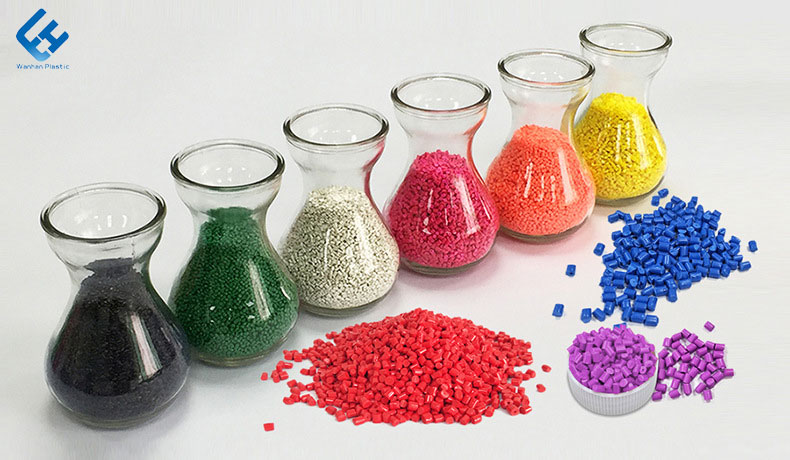
Composition and Manufacturing Process
PA66 is created through the condensation polymerization of adipic acid and hexamethylenediamine, resulting in a polymer with repeating units containing six carbon atoms—hence the name "66." This combination yields a polymer known for its high molecular weight and long-chain structure, contributing to its remarkable strength and durability.
Key Properties of PA66 Resin
1. High Strength and Durability:
PA66 is renowned for its excellent mechanical properties, offering high tensile strength and toughness. This makes it suitable for applications requiring components capable of withstanding significant mechanical stress, such as automotive parts and structural components.
2. Chemical Resistance:
The material exhibits resistance to various chemicals, oils, and solvents, making it an ideal choice for components exposed to harsh environments. This property is particularly valuable in automotive and industrial settings where exposure to diverse substances is common.
3. Thermal Stability:
PA66 resin possesses a high melting point and can withstand elevated temperatures without significant degradation. This thermal stability expands its utility in applications requiring resistance to heat, such as in the production of electrical connectors and housings.
4. Versatility:
Due to its adaptable nature, PA66 is employed in a wide array of industries. Its versatility extends to applications in automotive engineering, electrical and electronics manufacturing, consumer goods, and more.
Applications of PA66 Resin
1. Automotive Industry:
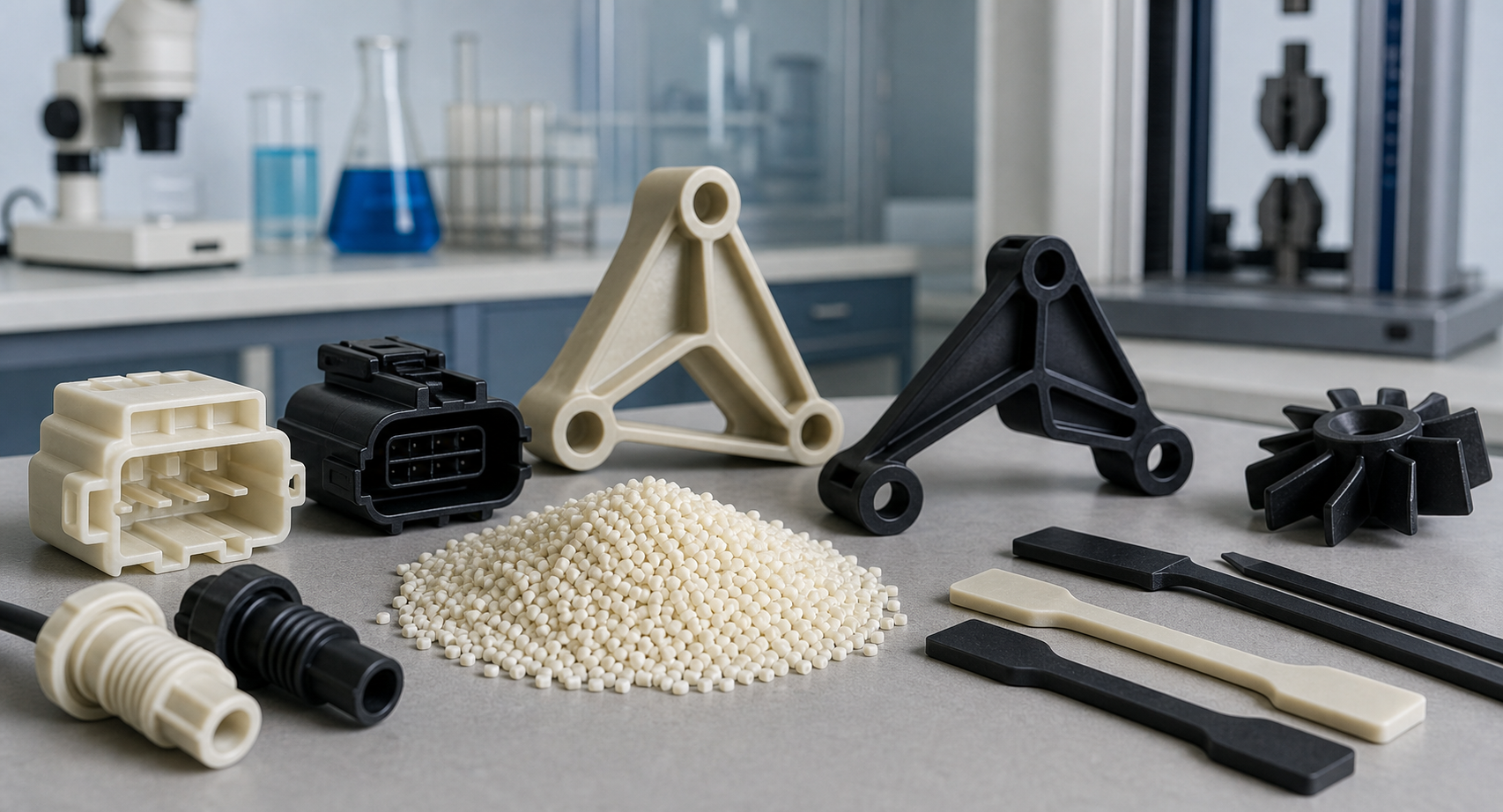
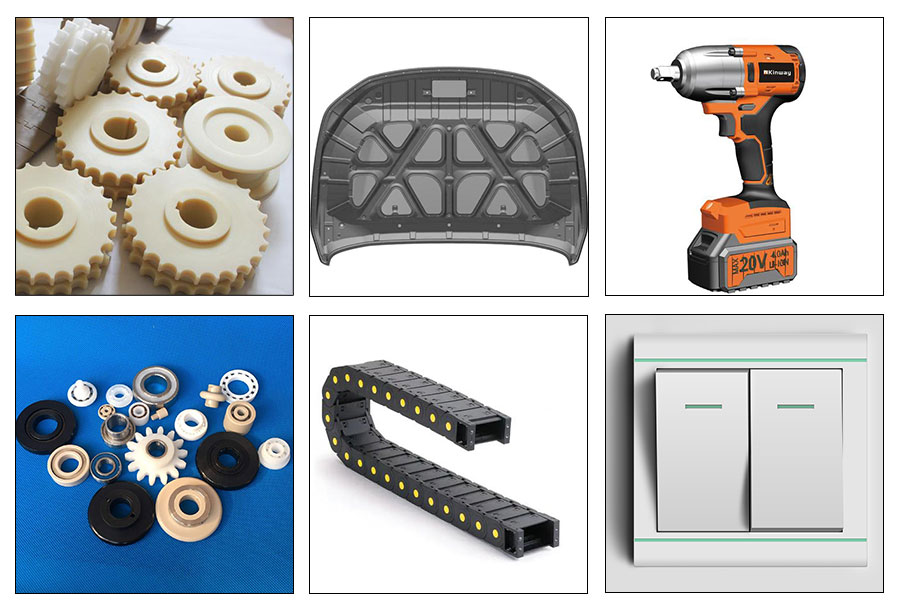
PA66 is extensively used in the automotive sector for manufacturing components like engine covers, fuel lines, and various under-the-hood parts. Its combination of strength and resistance to heat and chemicals makes it an ideal choice for these demanding applications.
2. Electrical and Electronics:
In the electrical and electronics industry, PA66 is employed to produce connectors, insulators, and housings for electronic components. Its electrical insulating properties, along with resistance to heat, contribute to its widespread use in this field.
3. Industrial and Consumer Goods:
The versatility of PA66 resin extends to industrial applications, where it is utilized in the production of gears, bearings, and other machinery components. Additionally, it is found in various consumer goods, including sporting equipment, household appliances, and more.
Advantages of PA66 Resin
Lightweight: Despite its robustness, PA66 is relatively lightweight, contributing to its use in applications where weight is a critical factor, such as in the automotive and aerospace industries.
Moldability: PA66 resin is highly moldable, allowing for the production of intricate and complex shapes. This feature enhances its applicability in manufacturing processes where precise designs are required.
Long Service Life: Components made from PA66 are known for their long service life, making the material a cost-effective choice for various applications.
In conclusion, PA66 resin stands as a testament to the ingenuity of polymer science, offering a combination of strength, durability, and versatility. Its widespread use across diverse industries underscores its importance in modern manufacturing and technology, where high-performance materials are crucial for advancing innovation and meeting the demands of a rapidly evolving world.
PA66 VS PA12
What is PA66 CF30?
Related Article