What Is Polyamide? A Comprehensive Guide to Nylon Materials
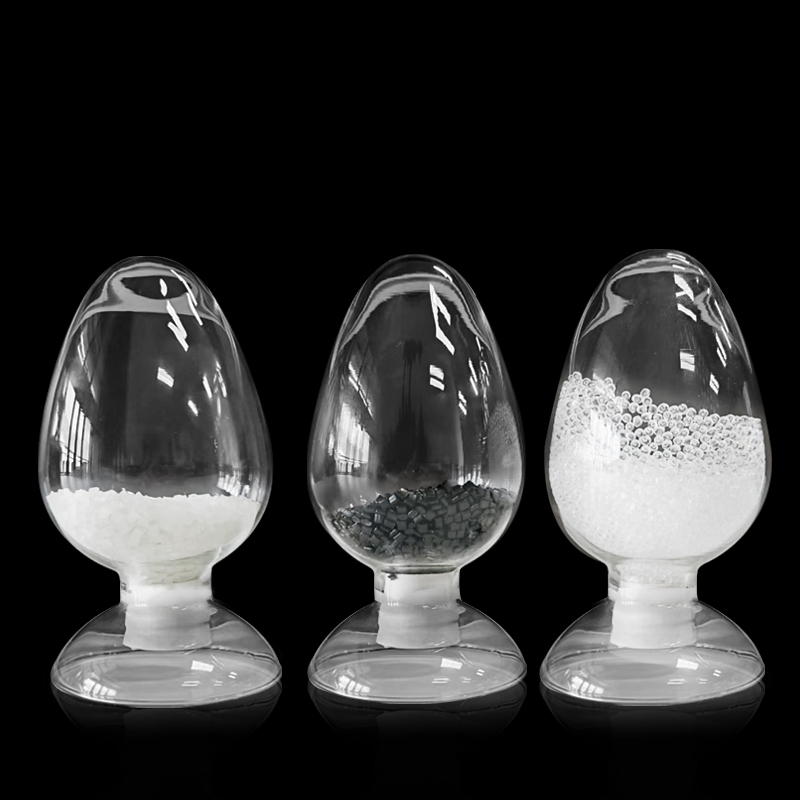
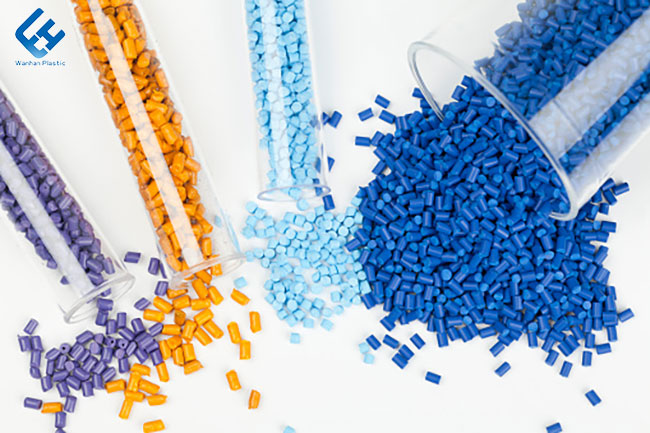
Polyamide (commonly known as Nylon) is a synthetic polymer renowned for its versatility, durability, and broad applicability across industries. From automotive components to consumer goods, polyamide materials like Nylon 6 and PA12-CF have become indispensable in engineering and manufacturing. In this article, we explore the characteristics, types, and applications of polyamide, with a focus on popular formulations such as carbon fiber nylon filament and Nylatron.
Understanding Polyamide and Its Types
Polyamide is a thermoplastic polymer characterized by repeating amide groups (-CONH-) in its molecular backbone. These groups enable strong hydrogen bonding, giving the material high mechanical strength, rigidity, and resistance to wear and chemicals. The most common types of polyamide include:
-
Nylon 6 (PA6): Produced via ring-opening polymerization of caprolactam, PA6 is known for its toughness, impact resistance, and flexibility. It exhibits a nylon melting temperature of approximately 220°C–225°C.
-
Nylon 66 (PA66): Synthesized from hexamethylenediamine and adipic acid, PA66 offers higher heat resistance and strength than Nylon six.
-
Nylon 12 (PA12) and PA12-CF: These materials feature lower moisture absorption and higher dimensional stability. PA12-CF is reinforced with carbon fibers, enhancing stiffness and reducing weight.
Key Properties of Polyamide
Polyamide’s popularity stems from its exceptional mechanical, thermal, and electrical properties:
-
High Strength and Rigidity: With excellent tensile and flexural strength, polyamide can withstand heavy loads and stress, making it ideal for gears, bearings, and structural parts.
-
Heat Resistance: Polyamide components remain stable at elevated temperatures. For instance, the nylon melting temp for PA6 ranges between 220°C and 265°C, while carbon fiber-reinforced variants exhibit higher heat deflection temperatures (e.g., 155°C for some nylon carbon fiber filament).
-
Chemical and Wear Resistance: Polyamide resists oils, solvents, and abrasion, enabling use in harsh environments. Materials like Nylatron (a type of lubricated nylon) further improve wear resistance.
-
Electrical Insulation: Its dielectric strength makes nylon PA6 suitable for electrical connectors, switches, and circuit breakers.
Reinforced Polyamide: Carbon Fiber and Glass Fiber Composites
To meet demanding engineering requirements, polyamide is often combined with reinforcing materials:
-
Carbon Fiber Nylon Filament: By incorporating carbon fibers into nylon PA6, manufacturers achieve superior stiffness-to-weight ratios and tensile strength. For example, carbon fiber nylon filament can reach a tensile strength of 100 MPa and a heat deflection temperature of 155°C. These composites are widely used in aerospace, automotive, and sporting goods.
-
Glass Fiber Reinforced Nylon: Glass fibers enhance dimensional stability, reduce warpage, and increase load-bearing capacity.
Applications of Polyamide Across Industries
-
Automotive: Nylon six is used in engine components, fuel systems, and structural parts due to its heat resistance and mechanical strength.
-
Consumer Goods and Electronics: From power tool housings to electrical connectors, nylon PA6 provides durability and insulation.
-
Industrial Machinery: Reinforced polyamide grades like PA12-CF serve in jigs, fixtures, and robotic components.
-
3D Printing: Carbon fiber nylon filament is a top choice for functional prototypes and end-use parts, offering high layer adhesion and minimal shrinkage.
Future Trends in Polyamide Materials
Innovations in bio-based polyamides and high-performance composites continue to expand the material’s applications. With an emphasis on sustainability, industries are adopting recycled and bio-sourced nylons without compromising performance.
Frequently Asked Questions (FAQ)
Q1: Is Nylon the same as Polyamide?
A: While the terms are often used interchangeably, there is a subtle difference. Polyamide is the name of the polymer family. Nylon is a type of polyamide. In everyday language, especially in engineering contexts, "Nylon" typically refers to aliphatic polyamides like Nylon 6, Nylon 66, etc.
Q2: What is the typical melting temperature of Nylon?
A: The nylon melting temperature varies by type. For common grades like Nylon PA6, it's around 220-225°C, while Nylon 66 melts at a higher range of 260-265°C. Always check the datasheet for the specific material you are using.
Q3: What are the advantages of using carbon fiber reinforced nylon?
A: Carbon fiber nylon filament offers significant advantages, including:
-
Increased Stiffness and Strength: The carbon fibers make the material much more rigid and strong.
-
Improved Dimensional Stability: It warps less under heat and stress compared to unreinforced nylon.
-
Lighter Weight: It allows for the creation of strong but lightweight components, crucial in aerospace and automotive applications.
Q4: How does Nylatron differ from standard Nylon?
A: Nylatron is a trademark for a family of nylon composites that are specially formulated with solid lubricants like MOS2 (molybdenum disulfide). This key addition gives Nylatron superior wear resistance, lower friction, and better machinability compared to standard nylon, making it ideal for high-wear applications like bearings and gears.
Q5: Should I choose Nylon 6 or Nylon 12 for my application?
A: The choice depends on your priority. Nylon 6 (PA6) generally offers better mechanical strength and rigidity at a lower cost. Nylon 12 (PA12), including PA12-CF, has lower moisture absorption, better impact resistance at low temperatures, and higher dimensional stability, making it suitable for precision parts and applications in humid environments.
Conclusion
Polyamide remains a cornerstone of modern engineering, balancing strength, heat resistance, and processability. Whether you’re considering nylon melting temperature for injection molding or seeking the robustness of carbon fiber nylon filament for 3D printing, polyamide materials like Nylon 6 and PA12-CF offer unmatched versatility. Explore these materials to unlock new possibilities in your projects!
How to Minimize Warpage of Nylon 6 During Processing
PA6-CF vs PET-CF: Moisture, Stiffness and Processing
Related Article