
PA66 GF33: The High-Performance Engineering Thermoplastic for Tomorrow's Innovations
author: Guangdong Wanhan New Material Technology
2025-05-09
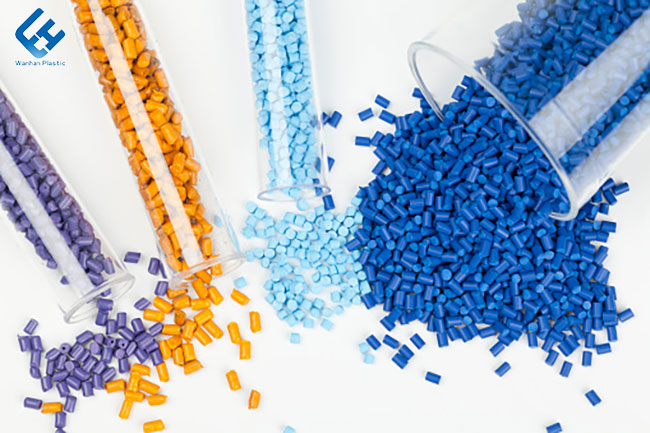
In the world of engineering thermoplastics, certain materials stand out for their unique combination of properties. One such material is PA66 GF33, a glass-fiber reinforced polyamide that has become a go-to choice for many engineers and manufacturers. Let's dive into what makes this material so interesting.
What is PA66 GF33?
PA66 GF33 is a high-performance engineering plastic. The "PA66" refers to the base material, which is a type of nylon known for its toughness and durability. The "GF33" indicates that it is reinforced with 33% glass fibers. This reinforcement significantly enhances the material's mechanical properties, making it stronger and more rigid than the base PA66.
Key Properties
Mechanical Strength
The addition of glass fibers gives PA66 GF33 exceptional tensile strength and rigidity. It can handle significant mechanical loads without deforming, making it ideal for structural components. This is particularly useful in applications where parts need to withstand high stress, such as in automotive or industrial machinery.
Thermal Stability
PA66 GF33 has a high melting point and excellent thermal stability. It can maintain its properties at elevated temperatures, which is crucial for components that operate in high-heat environments. For example, it is commonly used in automotive engine parts that need to withstand the extreme temperatures under the hood.
Dimensional Stability
One of the standout features of PA66 GF33 is its low water absorption. Unlike some other plastics, it doesn't swell or warp when exposed to moisture. This dimensional stability is important for precision parts that need to maintain their shape and fit over time.
Chemical Resistance
PA66 GF33 also offers good resistance to chemicals, oils, and greases. This makes it suitable for applications in harsh environments, such as in fuel systems or industrial equipment where exposure to chemicals is common.
Real-World Applications
Automotive
In the automotive industry, PA66 GF33 is used for a variety of components, including gears, bearings, and structural parts. Its combination of strength, thermal stability, and chemical resistance makes it ideal for under-the-hood applications where parts are exposed to high temperatures and chemicals.
Electronics
In electronics, PA66 GF33 is used for connectors, switches, and housings. Its electrical insulation properties, combined with its mechanical strength, make it a reliable choice for components that need to perform well under stress.
Consumer Goods
PA66 GF33 is also found in consumer goods, such as sports equipment and furniture. Its durability and resistance to wear make it a popular choice for products that need to withstand everyday use.
Processing Considerations
PA66 GF33 is relatively easy to process. It can be injection molded, extruded, or machined into complex shapes. However, due to its high glass fiber content, it can be abrasive on processing equipment, so it's important to use wear-resistant tooling.
A Material Worth Considering
PA66 GF33 is a versatile material with a range of properties that make it suitable for many applications. Its strength, thermal stability, and chemical resistance are just a few of the reasons why it is so widely used. Whether you're designing automotive parts, electronic components, or consumer products, PA66 GF33 is definitely a material worth considering.
PA6 vs PA66: Key Differences and Applications
What is virgin PA66?
Related Article
Explore what Polyamide (Nylon) is in our guide. Learn about types like Nylon 6 & PA12-CF, key properties such as nylon melting temperature, and applications of carbon fiber nylon filament for engineering and 3D printing.
What Is Polyamide? A Comprehensive Guide to Nylon Materials

PC/PBT material is an alloy material composed of polycarbonate (PC for short) and polybutylene terephthalate (PBT for short). It combines the excellent properties of PC and PBT, and becomes a widely used material in the industrial field.
PC/PBT Materials: The Perfect Alloy in Engineering, Combining Strength and Versatility
SEND MESSAGE