
Flame Retardant Nylon: UL94 Grades and Applications
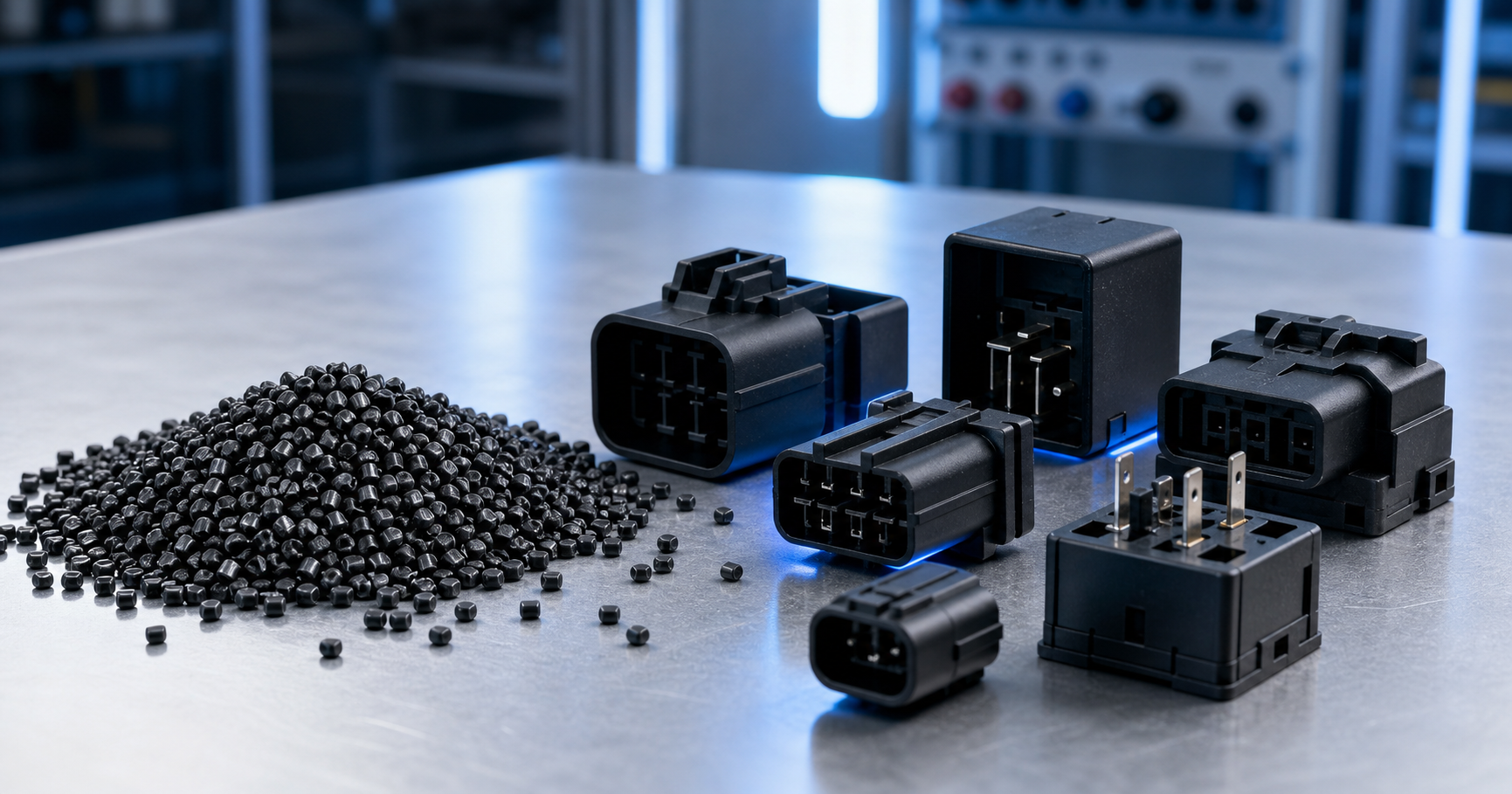
flame retardant nylon is a reinforced or modified polyamide designed to slow ignition, reduce flame spread, and help molded parts meet electrical and safety requirements.
PA6 and PA66 flame-retardant grades are usually compared by UL94 target, wall thickness, electrical performance, color, halogen preference, and molding stability.
WanHan already supplies PA66 flame-retardant grades and PA6 FR grades. For adjacent materials, buyers can also review the ABS guide and the flame retardant PBT range.
What Flame Retardant Nylon Means
Flame retardant nylon is not one universal material. It is a family of compounds where the base nylon is combined with a flame-retardant package, reinforcement, and process stabilizers.
The right compound depends on whether the part is an electrical connector, relay housing, charging component, switch body, or another insulated structural part.
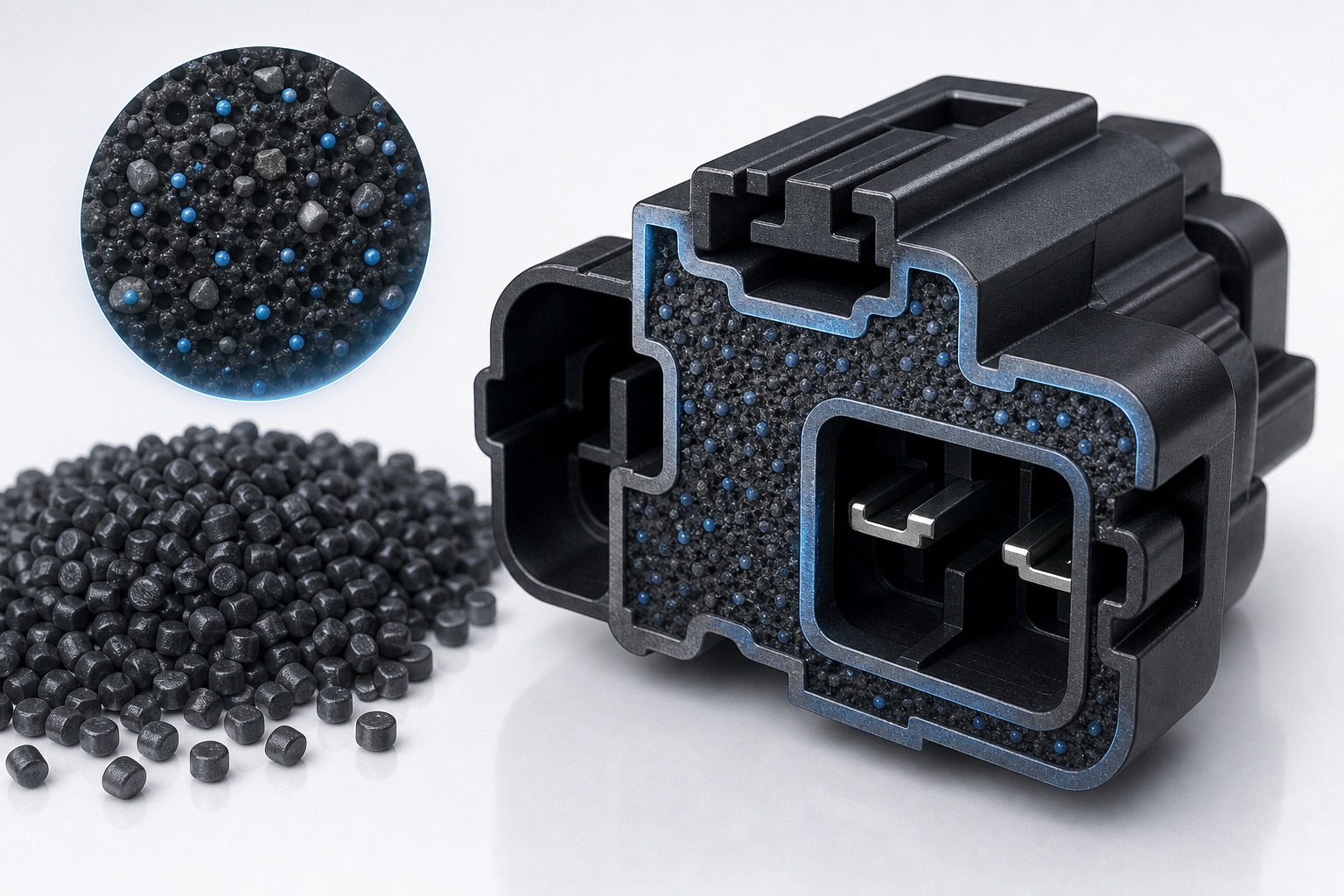
- UL94 V0 or V2 target at the real wall thickness
- Glow wire or electrical testing if the end market requires it
- Mechanical strength after flame-retardant modification
- Color stability, especially in light shades
- Processing window and plate-out control in molding
| Selection factor | PA6 FR nylon | PA66 FR nylon |
|---|---|---|
| Typical evaluation focus | Balanced processing and cost control | Higher heat resistance and structural margin |
| Common use cases | General electrical housings and molded parts | Connectors, terminals, and higher-heat electrical parts |
| Key validation point | Flow and thin-wall performance | Thermal aging and dimensional stability |
How to Screen UL94 Grades
UL94 V0 nylon is a common starting point, but the exact thickness, color, regrind policy, and conditioning state used in the certification data still need to be confirmed.
A PA66 FR V0 grade may suit high-temperature electrical use better than a softer alternative, but the mold, part geometry, and connector design still decide the final result.
- Confirm the exact test thickness, not just the UL94 label
- Check whether the grade is halogen-free if the project needs it
- Review CTI, GWFI, GWIT, and tracking data where relevant
- Validate mold deposit, venting, and appearance on trial parts
Applications and Supplier Checkpoints
Flame retardant nylon is widely used in electrical connector material programs, switch housings, relay components, charging systems, terminal carriers, and appliance structures.
When asking WanHan for a recommendation, the fastest path is to provide the end-use requirement and target tests, not only the words flame retardant nylon.
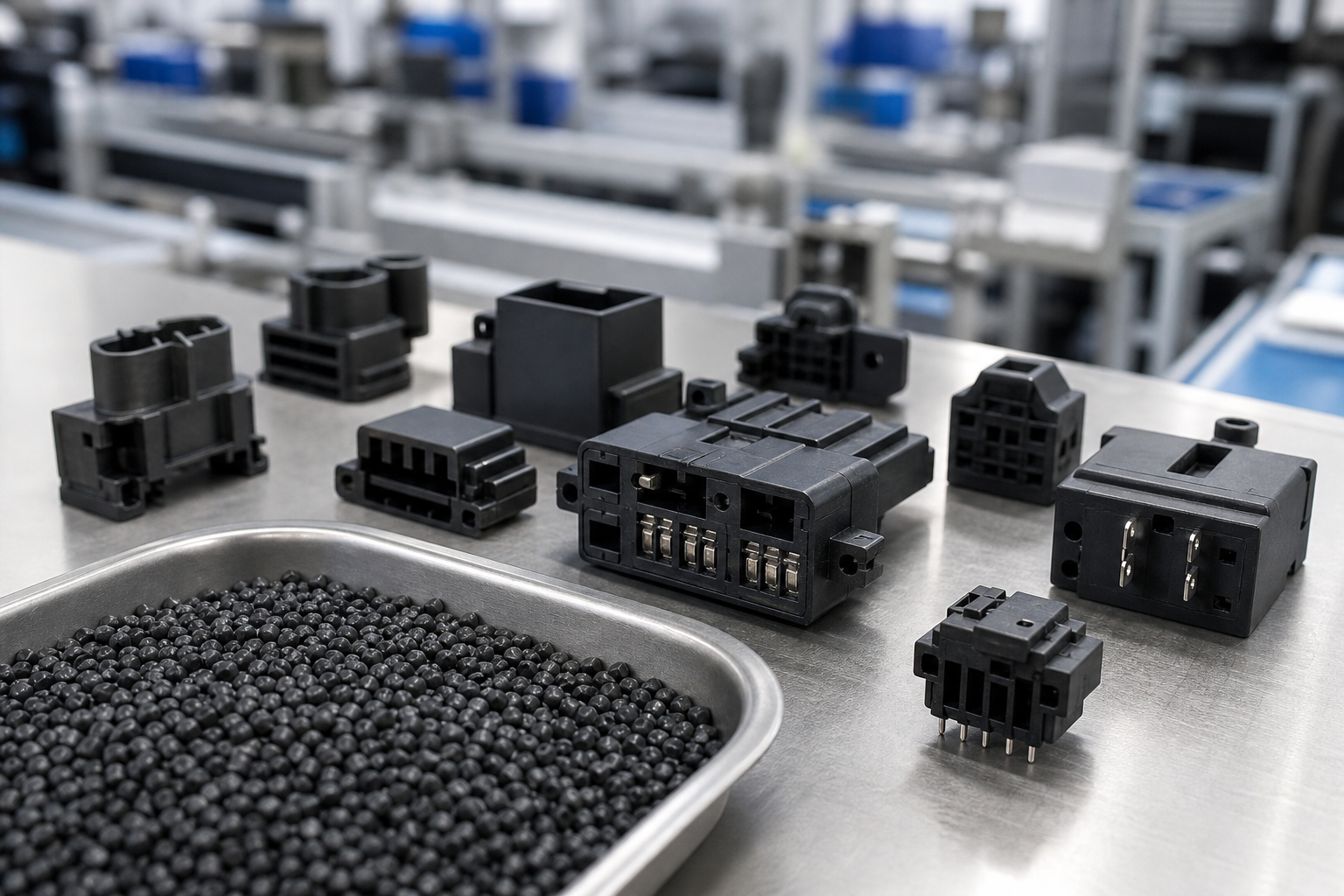
- Share the target standard, such as UL94 V0, at the required wall thickness.
- Confirm whether the part also needs glass fiber, heat stabilization, or halogen-free chemistry.
- Review molding needs including gate type, color, and cosmetic expectations.
- Validate the final compound on molded samples before approval.
Frequently Asked Questions
Q: What is flame retardant nylon?
A: Flame retardant nylon is a modified polyamide compound formulated to reduce ignition and flame spread while maintaining useful mechanical and electrical performance.
Q: Is PA66 or PA6 better for flame retardant nylon?
A: Neither is always better. PA66 is often chosen for higher heat and connector applications, while PA6 can be attractive for balanced processing and cost targets.
Q: Does UL94 V0 guarantee end-use approval?
A: No. UL94 is important, but end-use approval may also require electrical, thermal aging, tracking, color, and molding validation on the actual part.
Q: What should be confirmed besides the UL94 label?
A: Confirm the actual wall thickness, color condition, halogen-free requirement, and supporting CTI, GWFI, or GWIT data if the project needs them.
Q: When is PA66 FR often shortlisted first?
A: PA66 FR is often shortlisted first for connectors and higher-heat electrical uses where thermal margin and dimensional stability are more critical.
Q: Can a supplier recommend one primary and one backup FR nylon grade?
A: Yes. That provides a main option and a second route if molding behavior, color, or electrical validation changes the decision.
Q: Can I request molded samples before release?
A: Yes. Trial parts are important for confirming flame, tracking, appearance, and mold-process stability before a production FR nylon grade is approved.
Conclusion
Flame retardant nylon selection should connect UL94 targets, electrical performance, and molding behavior in one decision. For PA6 or PA66 FR grade screening, WanHan can help shortlist compounds once the real test and part requirements are clear.
Glass Filled Nylon: Properties, GF Grades, and Applications
PCR Material in Engineering Plastics: Uses and Limits
Related Article



