
What Is ABS Material? Acrylonitrile Butadiene Styrene Properties, Uses, and Processing Guide
What Is ABS Material? Acrylonitrile Butadiene Styrene Properties, Uses, and Processing Guide
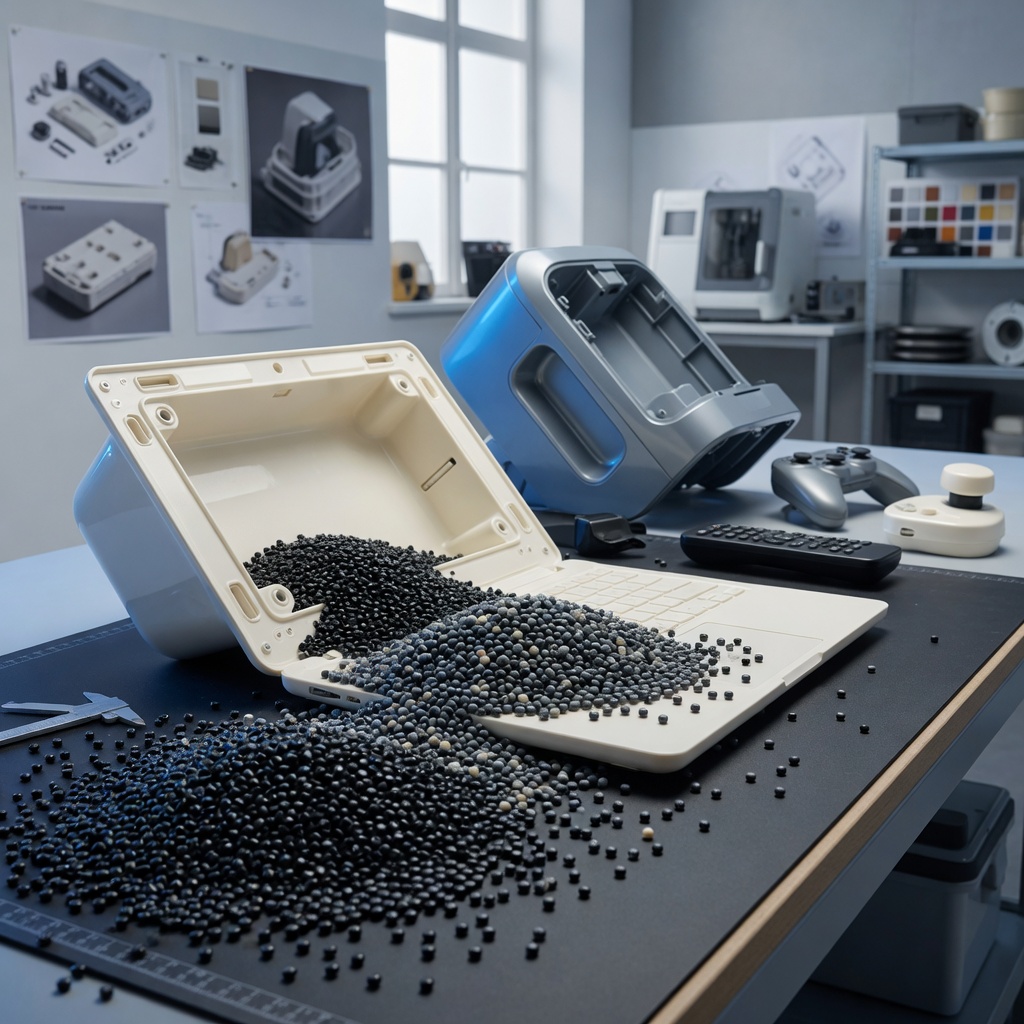
ABS material stands for acrylonitrile butadiene styrene, one of the most widely used engineering thermoplastics for molded parts that need toughness, rigidity, surface quality, and production efficiency. People searching for what is ABS material or what is acrylonitrile butadiene styrene usually want a practical answer: what the material is, what it does well, and where it is most commonly used.
The short answer is that acrylonitrile butadiene styrene plastic is a versatile resin for housings, appliance parts, automotive interiors, and consumer products that need a balanced mix of impact performance, appearance, and easy injection molding. In commercial use, ABS plastic is valued because it is easier to process than many higher-cost engineering resins while still delivering stable dimensions and useful mechanical performance.
What Is Acrylonitrile Butadiene Styrene?
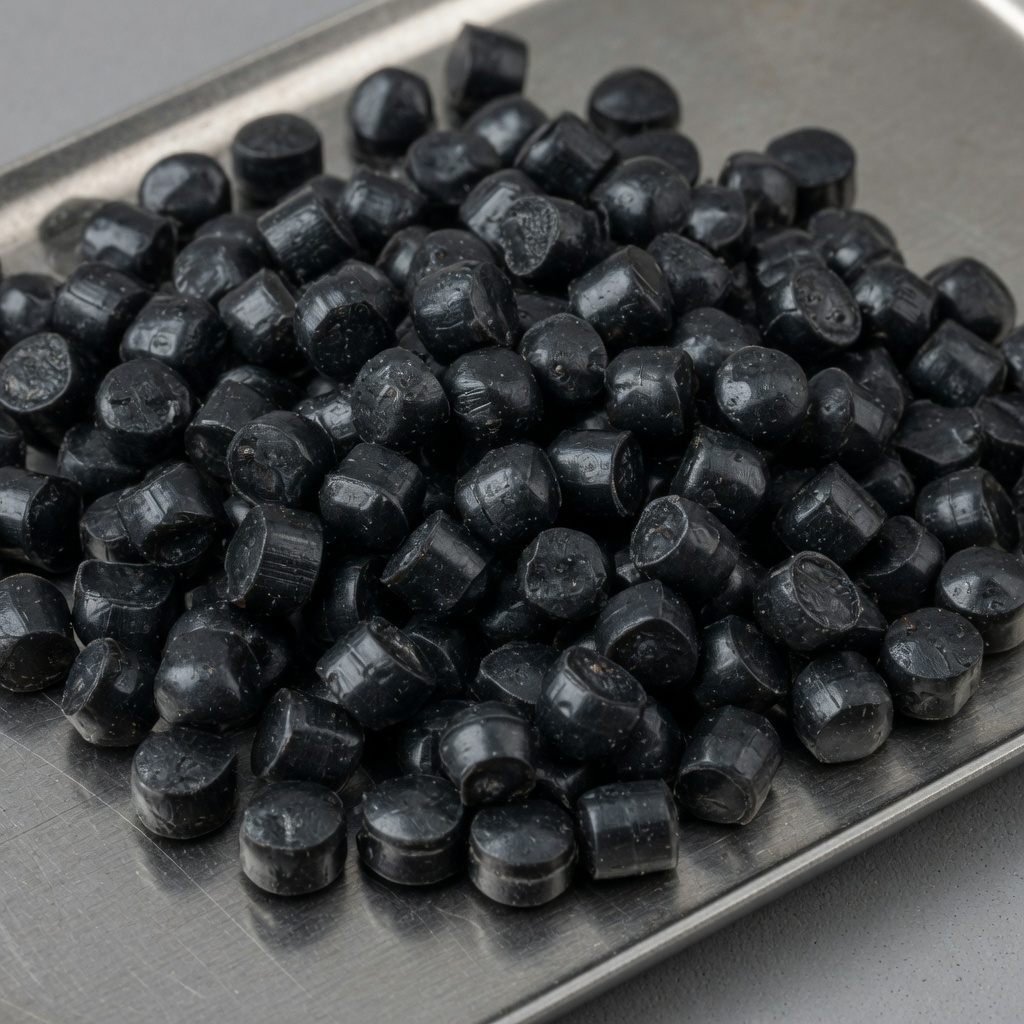
The name comes from the three main building blocks in the material:
- Acrylonitrile contributes chemical resistance, heat resistance, and overall rigidity.
- Butadiene improves toughness and impact performance, which is why some technical searches include terms like ABS butadiene when trying to understand the material.
- Styrene helps give ABS its smooth surface, good appearance, and easier molding behavior.
Because these components work together, ABS material is often chosen when a product needs a better balance of stiffness and toughness than simple commodity plastics can provide.
Key Properties of ABS Material
When engineers compare materials, ABS plastic is usually selected for several practical reasons:
- Good impact resistance for general structural and housing parts
- Reliable dimensional stability for molded products
- Attractive surface finish for visible consumer components
- Good machinability and easy coloring
- Strong suitability for injection molding
- Better overall toughness than many brittle plastics used in low-cost products
ABS also has good compatibility with plating, painting, texturing, and secondary finishing in many applications. For products where appearance matters, this is a major advantage.
Common Uses of Acrylonitrile Butadiene Styrene Plastic
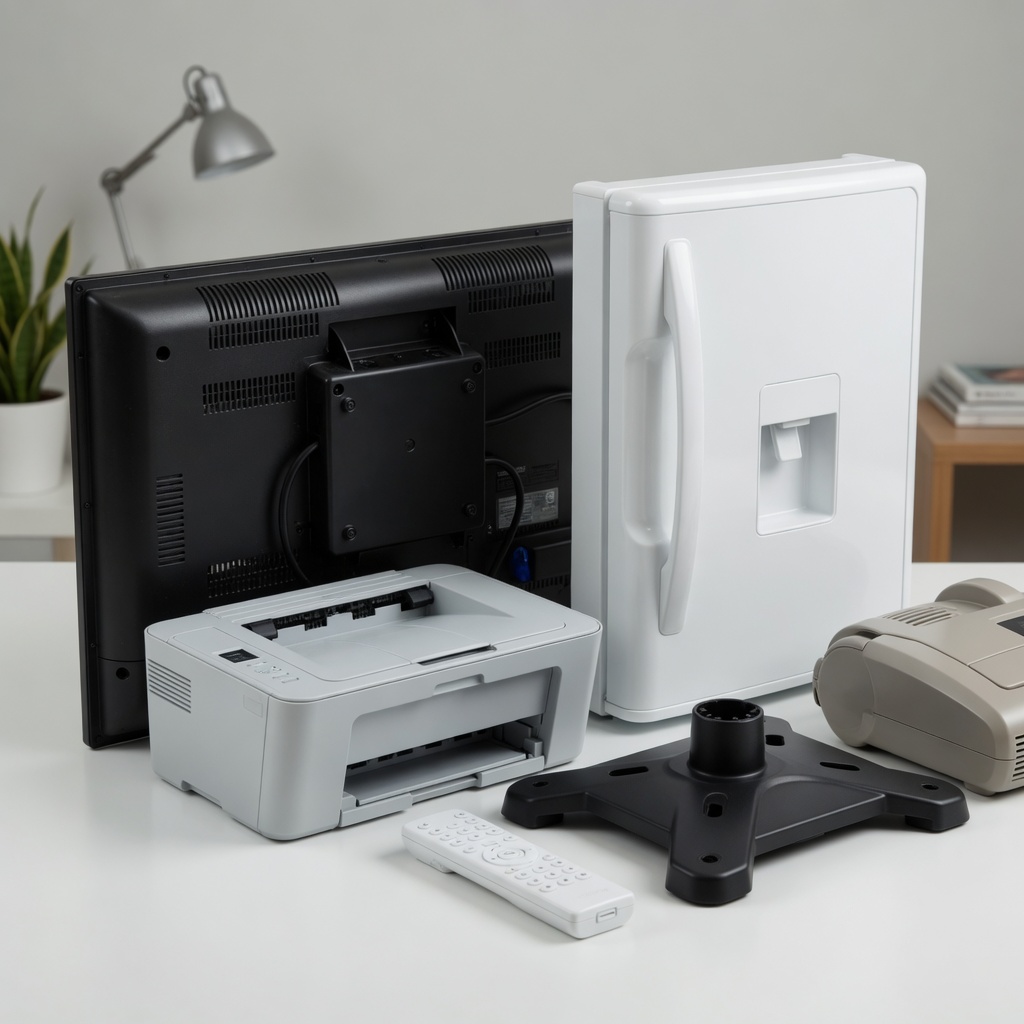
Acrylonitrile butadiene styrene plastic appears in a wide range of products because it supports both performance and production efficiency. Typical applications include:
- Consumer electronics housings
- Home appliance panels and trims
- Automotive dashboard and interior parts
- Office equipment covers
- Toys and household product shells
- Protective enclosures and molded utility parts
For many applications, the real value of ABS is not one extreme property. It is the fact that the material performs well across several categories at the same time.
For grade selection, it helps to compare the broader ABS resin product catalog and a representative grade such as ABS FR UL94-V0 material to understand how flame retardancy, appearance, and end-use requirements affect grade choice.
Advantages of ABS Material
One reason people ask what is ABS material is that it frequently appears in specifications for molded parts. The main advantages include:
- Balanced performance: ABS combines strength, impact resistance, and processability in one material family.
- Production efficiency: It is widely available and suitable for stable mass production.
- Surface quality: It can deliver glossy, textured, or painted finishes depending on grade and mold design.
- Design flexibility: ABS is available in standard, flame-retardant, heat-resistant, electroplating, and high-impact grades.
Limitations to Consider
ABS is useful, but it is not the right answer for every project. Its main limitations include:
- Lower heat resistance than some engineering plastics such as PA, PBT, or PC in demanding environments
- Moderate chemical resistance rather than high-end solvent resistance
- Lower weather resistance than specially stabilized outdoor materials unless modified
- Potential for property changes if regrind ratio, moisture, or processing control is poor
For outdoor exposure, high heat, or aggressive chemicals, ABS is often compared with PC, PC/ABS, PA, PBT, or ASA before making a final decision.
How ABS Material Is Processed
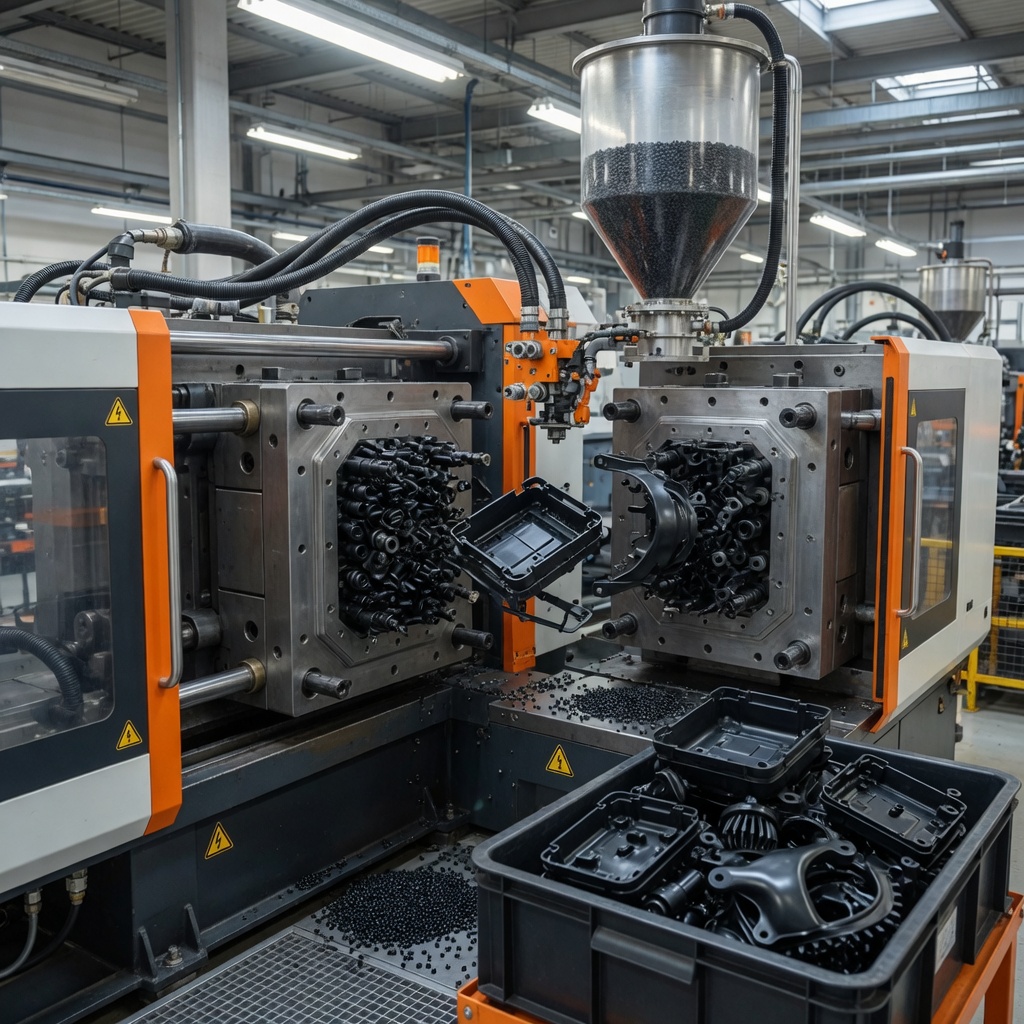
ABS is most commonly processed by injection molding. In normal production, processors pay close attention to drying, melt temperature, mold temperature, part thickness, and venting. Stable processing is important because surface defects, sink marks, silver streaks, or flow marks can appear if the molding window is not well controlled.
For many general ABS grades, practical processing focuses on maintaining a consistent molding window rather than chasing one exact number. Drying conditions, machine setup, and mold design all influence final quality. This matters because two products made from ABS can still perform very differently depending on grade selection and process control.
ABS vs Other Plastics
ABS is often compared with polypropylene, polystyrene, polycarbonate, nylon, and PC/ABS blends:
- ABS vs PP: ABS usually offers better rigidity, surface finish, and impact balance for housings, while PP is lighter and more chemically resistant.
- ABS vs PS: ABS is tougher and less brittle, making it a better choice for structural consumer parts.
- ABS vs PC: PC has stronger heat and impact performance in many cases, but ABS is often easier to process and more cost-effective.
- ABS vs PC/ABS: PC/ABS blends improve heat resistance and toughness but may cost more than standard ABS.
How to Choose the Right ABS Grade
If you are evaluating ABS material, do not stop at the generic resin name. Ask about the exact grade, impact level, flame-retardant requirement, color system, finish target, and processing method. A housing part, plated component, appliance shell, and automotive trim part may all use ABS, but they often require different formulations.
It is also important to review sample data such as impact strength, heat deflection behavior, shrinkage trend, and recommended molding conditions before confirming a material. The right ABS grade is selected based on end-use performance, appearance requirements, and manufacturing efficiency together.
Final Answer
So, what is ABS material? ABS material is acrylonitrile butadiene styrene, a versatile engineering thermoplastic used when products need a practical combination of toughness, rigidity, appearance, and molding efficiency. It remains one of the most important plastics for consumer, appliance, and industrial molded parts because it offers reliable all-around performance at a commercially useful cost level.
Why Choose WanHan for Engineering Plastic Projects?
Since 2005, WanHan has focused on independent R&D, production, and global sales of functional engineering plastics for more sustainable industrial applications. Certified to ISO 9001, ISO 14001, ISO 45001, and IATF 16949, we operate with complete in-house testing equipment and strict quality control throughout development and production. Our materials are exported to more than 30 countries and are widely used in automotive, electronics, home appliances, and industrial applications that require higher-performance polymer solutions.
- Application-based material selection support for OEM, injection molding, and product development teams.
- Custom compounding capability for glass fiber, flame-retardant, carbon fiber, mineral-filled, impact-modified, anti-UV, and color-customized grades.
- Full quality control with in-house testing equipment and certified systems for more stable repeat orders and production consistency.
- Free sample support, technical data sheets, and processing guidance to shorten validation time before mass production.
- Fast quotation response, export-ready packaging, and practical support for long-term production supply programs.
If you are selecting a resin for a new project or replacing an existing grade, WanHan can help with grade matching, sample preparation, and custom compound evaluation. You can send your target application, part drawing, annual quantity, or required properties through WanHan's inquiry page to get a faster quotation and material recommendation. You can also review top-sale engineering plastic grades for faster project matching.
For ABS material selection, you can review WanHan's ABS resin catalog, ABS FR material, and PC vs ABS comparison guide to match appearance, heat, and impact requirements.
Frequently Asked Questions
Q: What is ABS material?
A: ABS material is acrylonitrile butadiene styrene, an engineering thermoplastic that combines good toughness, rigidity, surface appearance, and easy injection molding performance.
Q: What is acrylonitrile butadiene styrene?
A: Acrylonitrile butadiene styrene is the full name of ABS plastic, a widely used engineering thermoplastic for housings, appliance parts, automotive interiors, and molded consumer products.
Q: What is acrylonitrile butadiene styrene used for?
A: Acrylonitrile butadiene styrene is commonly used for electronics housings, appliance parts, automotive interior components, toys, office equipment covers, and molded consumer product shells.
Q: What are the main advantages of ABS plastic?
A: The main advantages of ABS plastic include balanced impact resistance, good dimensional stability, attractive surface finish, easy coloring, and efficient injection molding performance.
Q: Is ABS the same as acrylonitrile butadiene styrene plastic?
A: Yes, ABS is the abbreviation for acrylonitrile butadiene styrene plastic, and both names refer to the same material family.
PBT vs PET: Material Differences and Selection Guide
Plastic Extrusion Explained: Process, Materials, Types, and Applications
Related Article



