
PC vs ABS: Differences, Properties, Applications, and How to Choose
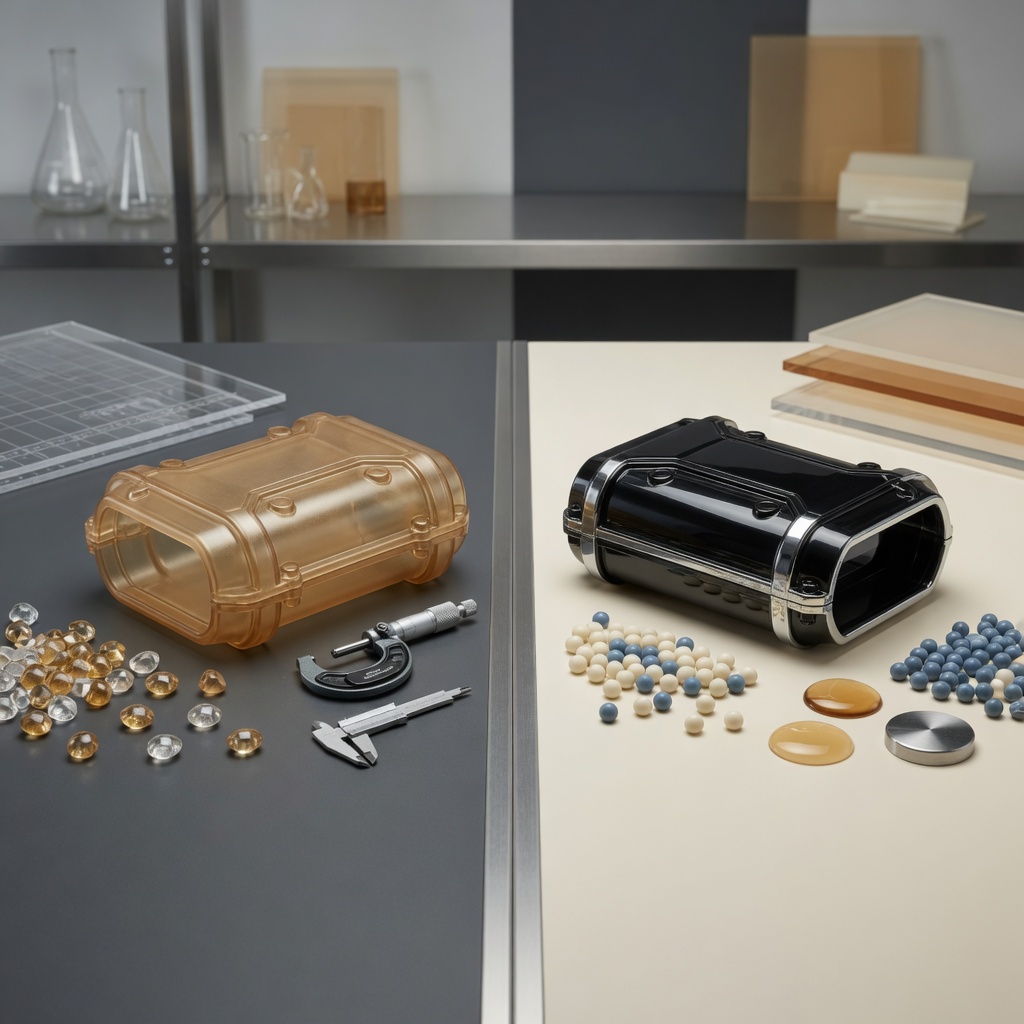
PC vs ABS: Differences, Properties, Applications, and How to Choose
PC vs ABS is a common comparison in product design because both plastics are widely used for housings, technical parts, automotive components, and consumer products. People searching for polycarbonate vs ABS usually want a clear answer: which material is tougher, which handles heat better, which is easier to process, and when a blended solution makes more sense.
The short answer is simple. Polycarbonate (PC) usually offers higher toughness and better heat resistance, while ABS is often easier to process, easier to color, and more cost-effective for many molded parts. In the middle, PC-ABS is often selected when a project needs a balance of impact strength, appearance, and molding practicality.
What Is the Difference Between PC and ABS?
PC, or polycarbonate, is an engineering thermoplastic known for strong impact resistance, useful dimensional stability, and better thermal performance than many general-purpose plastics. ABS, or acrylonitrile butadiene styrene, is valued for its balanced toughness, surface quality, and production efficiency.
From a practical engineering perspective, the main question in PC vs ABS is not which resin is universally better. The real question is which material better matches the product's heat load, drop resistance, appearance target, and commercial budget.
For background on each resin family, it helps to compare the polycarbonate material overview and the ABS material guide before reviewing blended options such as the PC-ABS material guide.
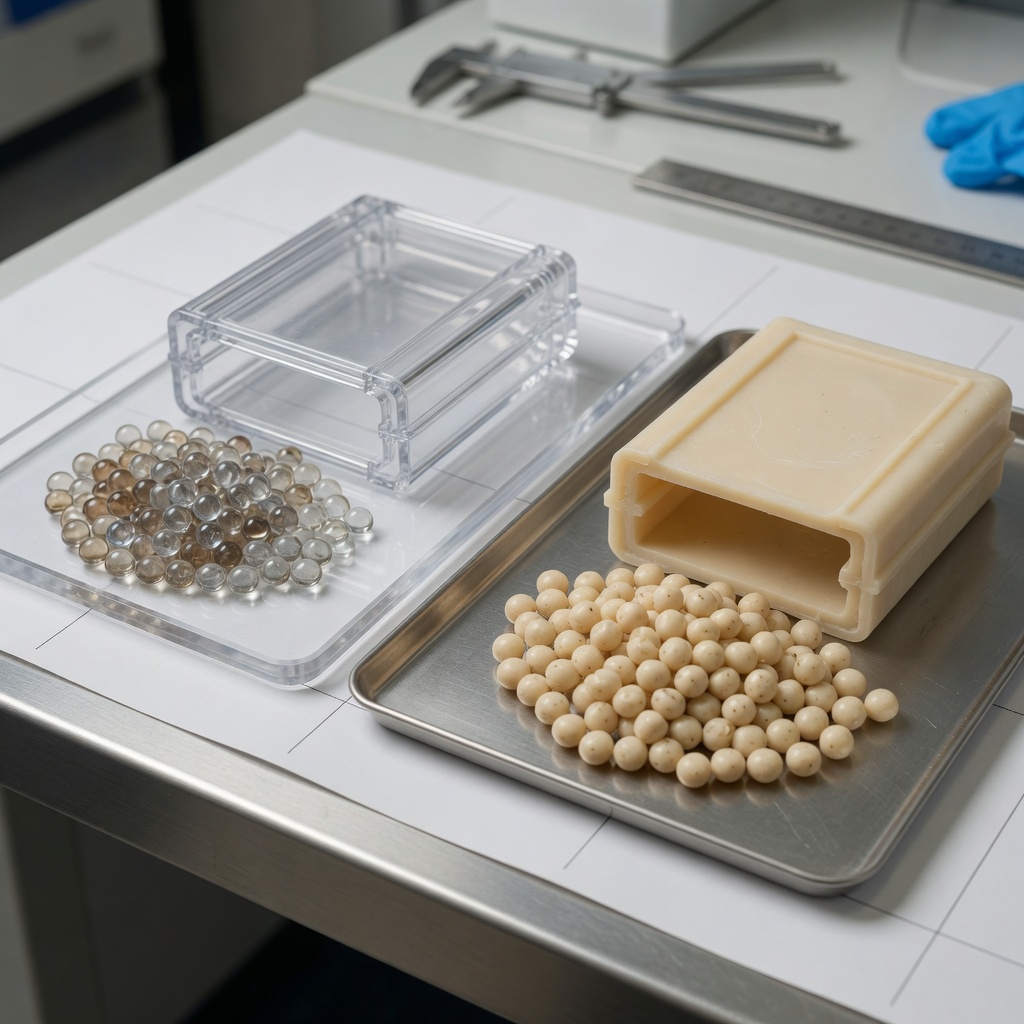
PC vs ABS Property Comparison
Below is the practical difference most product teams care about when comparing PC vs ABS:
| Property | PC | ABS |
|---|---|---|
| Impact resistance | Higher | Good, but usually lower than PC |
| Heat resistance | Better for higher service temperatures | Moderate for general engineering parts |
| Surface appearance | Can be good, but process-sensitive | Usually easier to achieve stable cosmetic finish |
| Processing | Needs tighter drying and molding control | Generally easier to mold |
| Cost position | Usually higher | Usually lower |
That is why polycarbonate vs ABS often becomes a tradeoff between performance margin and production efficiency.
When PC Is Better Than ABS
In many technical applications, PC is the better choice when the part needs stronger mechanical durability or better thermal reliability. Typical cases include:
- Device housings that may face repeated impact or drop events
- Electrical components with higher service temperature requirements
- Automotive parts exposed to elevated cabin heat
- Transparent or semi-transparent functional components where PC grades are appropriate
For grade comparison, it helps to review the polycarbonate resin product catalog and compare those grades with the PC/ABS product catalog if a middle-ground option is being considered.
When ABS Is Better Than PC
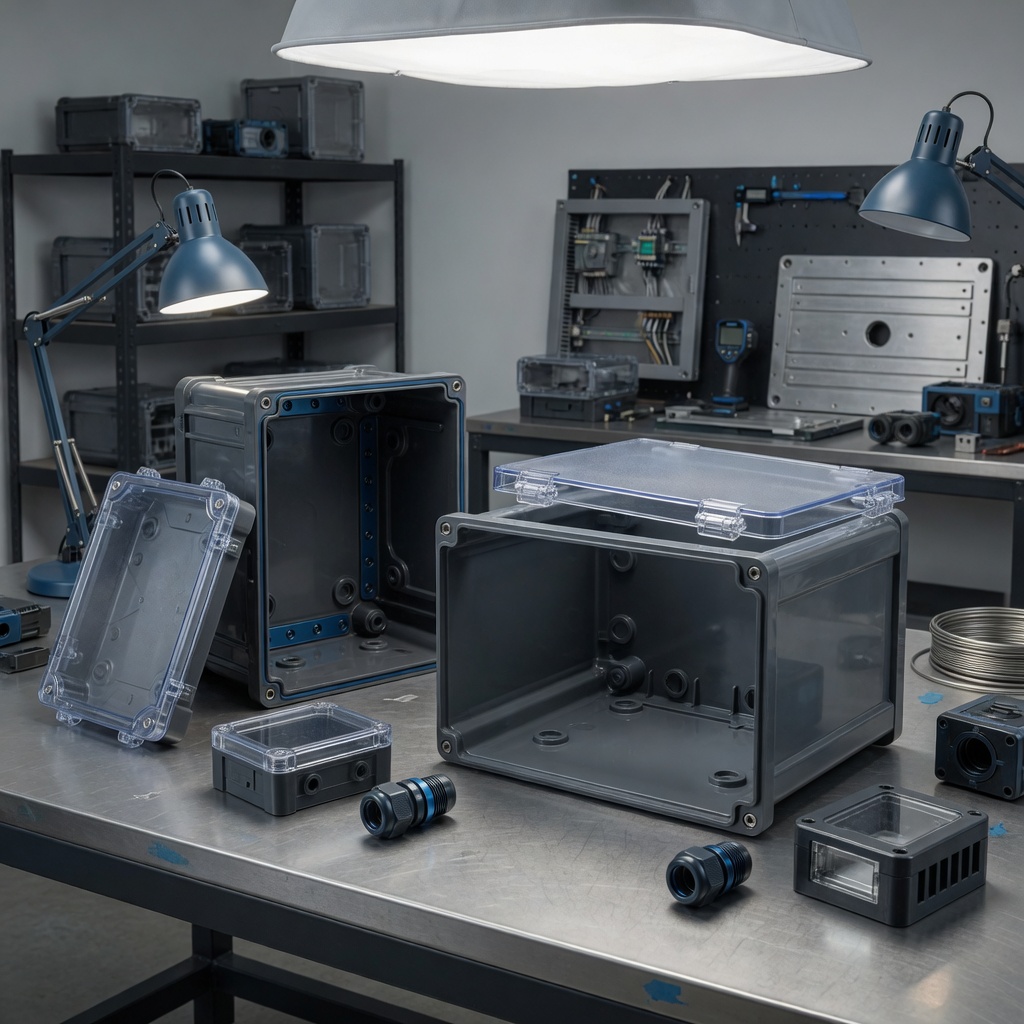
ABS is often the more practical choice when the project needs good overall performance without moving into a higher-cost resin system. It is commonly preferred for:
- Consumer product housings with stable cosmetic requirements
- Appliance parts and general molded components
- Projects where processing stability and cycle efficiency matter
- Programs that need a more competitive raw material cost position
When evaluating grade options, teams can move from the ABS resin product catalog to a more specialized option such as ABS FR UL94-V0 material if flame retardancy is part of the requirement.
PC vs ABS in Processing and Manufacturing
From a molding viewpoint, PC vs ABS is also a processing question. Polycarbonate usually requires tighter drying control and more disciplined molding parameters. ABS is often easier to run and can be more forgiving in standard production conditions.
That difference affects scrap rate, appearance consistency, and cycle stability. For outsourced production programs, this matters because resin choice influences not only part performance but also manufacturing risk.
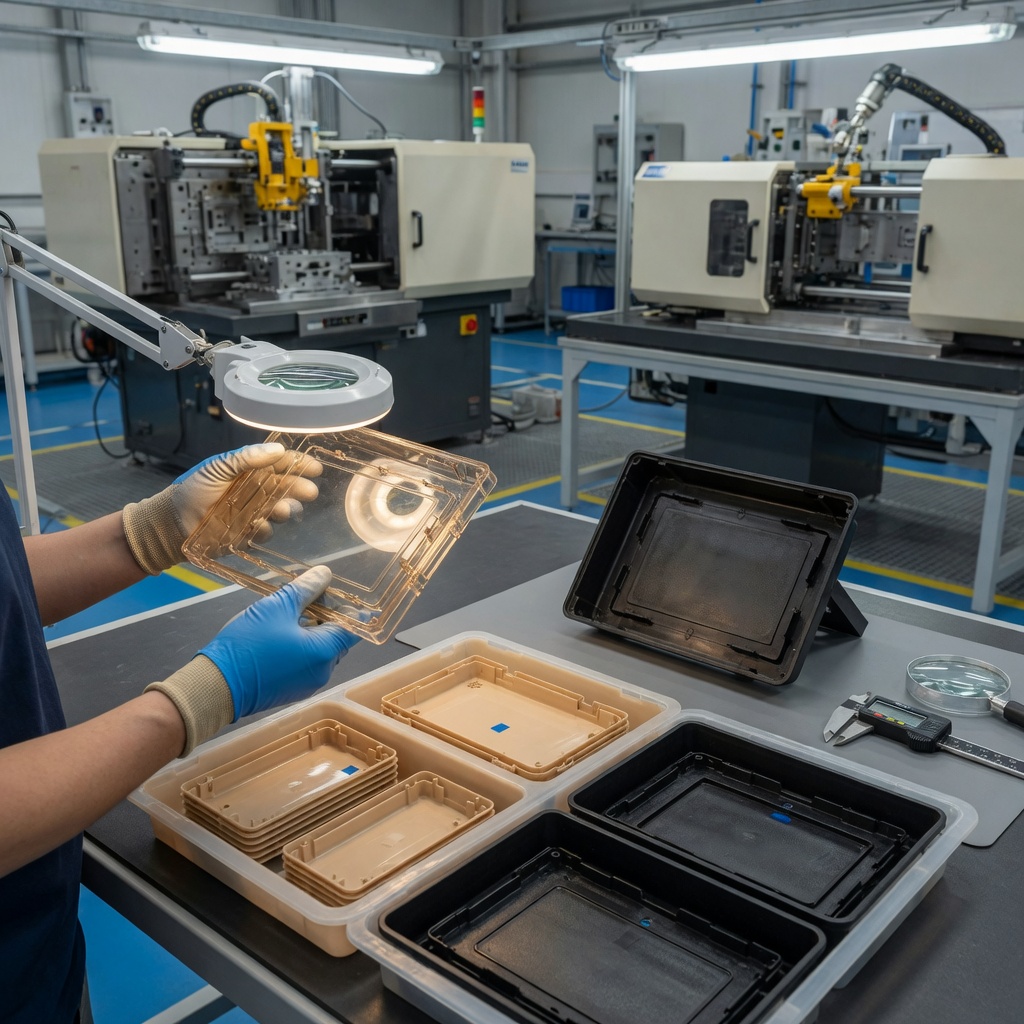
Where PC-ABS Fits Between PC and ABS
Some teams comparing PC vs ABS eventually discover that neither pure resin is the perfect answer. That is where PC-ABS becomes commercially useful. The blend is often chosen when a product needs more toughness and heat resistance than standard ABS, but still wants a better appearance and processing balance than pure PC may offer alone.
For that reason, teams comparing abs vs polycarbonate should also keep general-purpose PC/ABS alloy pellets in the shortlist, especially for electronics housings, automotive trim, and visible technical parts.
How to Choose Between PC and ABS
A practical purchasing checklist for PC vs ABS includes:
- Required heat resistance in real service conditions
- Drop, impact, and structural durability expectations
- Surface finish and visible cosmetic standards
- Need for flame retardancy or compliance requirements
- Expected production consistency and molding complexity
- Commercial target for resin cost and total manufacturing cost
If heat and impact margin dominate, PC may be the stronger answer. If balanced cost and processability matter more, ABS may be the smarter commercial choice. If both are partly true, PC-ABS often deserves a closer look.
Final Answer: PC vs ABS
So, in PC vs ABS, which material wins? It depends on the application. PC is often better for higher impact and higher heat conditions. ABS is often better for cost control, appearance stability, and easier molding. PC-ABS is frequently the bridge between the two when balanced real-world performance is needed.
The best result comes from matching the material to the actual product environment rather than choosing by name alone.
Why Choose WanHan for Engineering Plastic Projects?
Since 2005, WanHan has focused on independent R&D, production, and global sales of functional engineering plastics for more sustainable industrial applications. Certified to ISO 9001, ISO 14001, ISO 45001, and IATF 16949, we operate with complete in-house testing equipment and strict quality control throughout development and production. Our materials are exported to more than 30 countries and are widely used in automotive, electronics, home appliances, and industrial applications that require higher-performance polymer solutions.
- Application-based material selection support for OEM, injection molding, and product development teams.
- Custom compounding capability for glass fiber, flame-retardant, carbon fiber, mineral-filled, impact-modified, anti-UV, and color-customized grades.
- Full quality control with in-house testing equipment and certified systems for more stable repeat orders and production consistency.
- Free sample support, technical data sheets, and processing guidance to shorten validation time before mass production.
- Fast quotation response, export-ready packaging, and practical support for long-term production supply programs.
If you are selecting a resin for a new project or replacing an existing grade, WanHan can help with grade matching, sample preparation, and custom compound evaluation. You can send your target application, part drawing, annual quantity, or required properties through WanHan's inquiry page to get a faster quotation and material recommendation. You can also review top-sale engineering plastic grades for faster project matching.
For comparison-driven projects, you can move from WanHan's ABS catalog and PC catalog to the PC/ABS catalog when the application needs a middle-ground material solution.
Frequently Asked Questions
Q: What is the main difference between PC and ABS?
A: PC usually provides higher impact strength and better heat resistance, while ABS is often easier to process, easier to color, and more cost-effective for many molded parts.
Q: Is polycarbonate stronger than ABS?
A: In most engineering applications, polycarbonate is tougher and more impact resistant than ABS, especially when higher durability is required.
Q: Is ABS cheaper than PC?
A: In many standard resin programs, ABS is usually lower in cost than polycarbonate, which is one reason it is widely used for general molded housings and consumer parts.
Q: When should I choose PC-ABS instead of PC or ABS?
A: PC-ABS is often chosen when a product needs more toughness and heat resistance than standard ABS, but also wants a better processing and appearance balance than pure PC alone.
Q: What applications use PC or ABS?
A: PC is common in durable housings, electrical parts, and higher-heat applications, while ABS is widely used in appliance housings, consumer product shells, and general engineering plastic components.
Plastic Extrusion Explained: Process, Materials, Types, and Applications
What Is PC-ABS Material? Properties, Uses, Advantages, and Processing Guide
Related Article



