
Glass Fiber Reinforced PA66: Properties, Uses, and Selection
Glass Fiber Reinforced PA66: Properties, Uses, and Selection
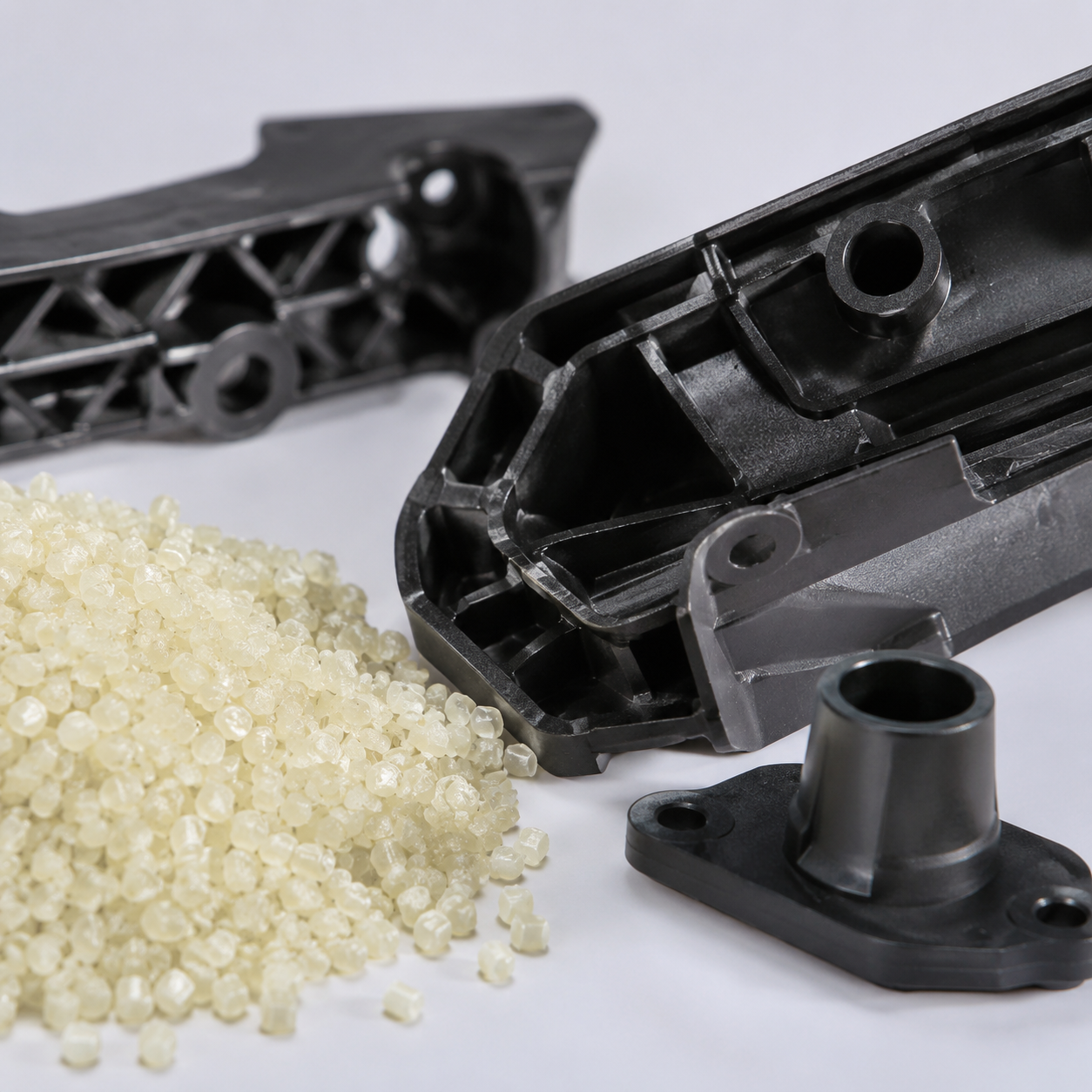
Glass fiber reinforced PA66 is widely used when a project needs stronger stiffness, better heat performance, or more structural support than unfilled nylon 66 usually provides. In sourcing, this family is often reviewed for automotive, appliance, electrical, and industrial molded parts where standard PA66 needs a reinforcement upgrade.
The exact grade choice still depends on glass-fiber level, geometry, thermal environment, dimensional tolerance, and whether the project also needs flame-retardant performance.
Why Reinforced PA66 Is Used
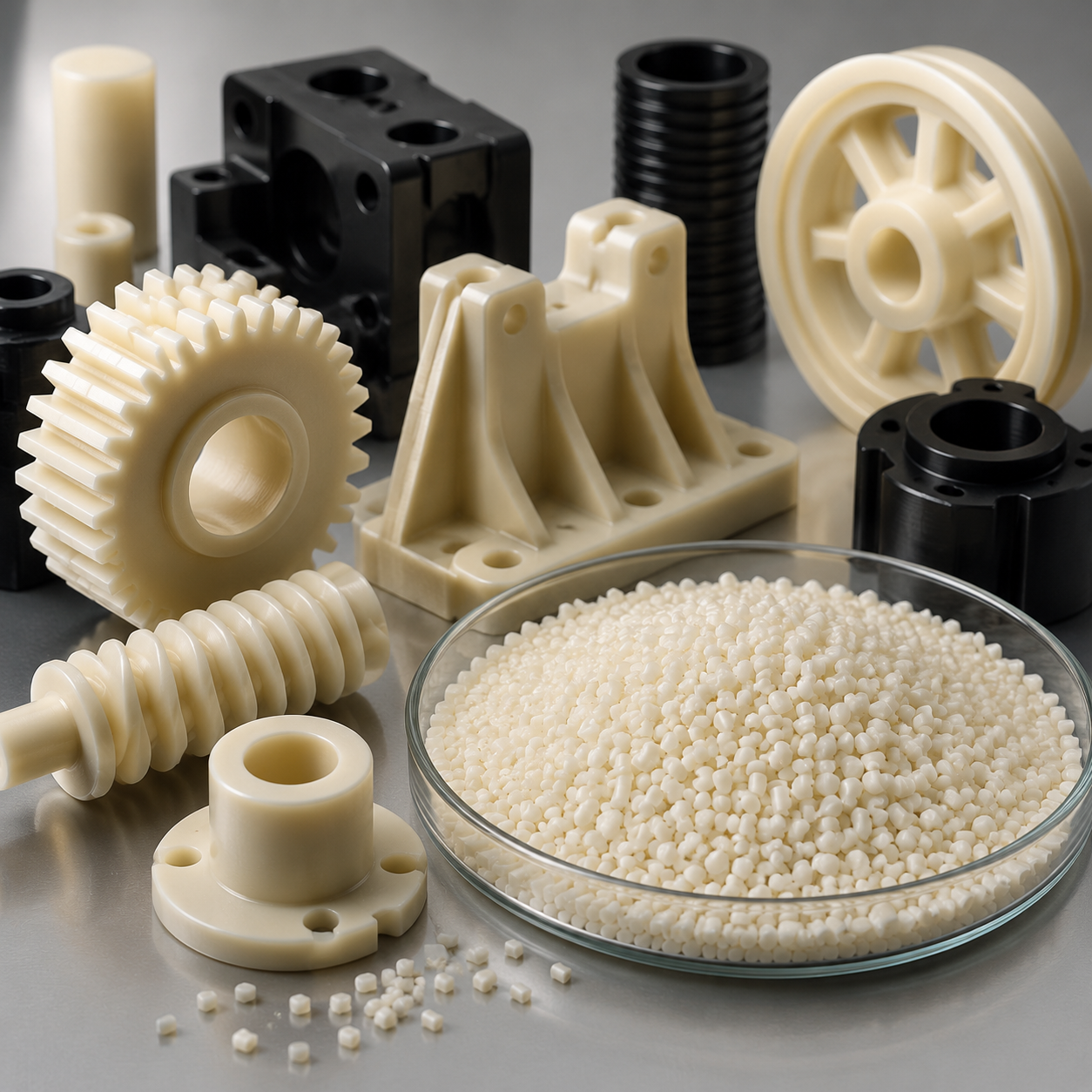
| Target | Why Reinforced PA66 Is Considered |
|---|---|
| Higher stiffness | Glass fiber improves structural rigidity for molded parts |
| Heat-related performance | Often better suited to more demanding thermal conditions |
| Dimensional performance | Useful for more demanding technical housings and supports |
| Structural upgrade path | Bridges the gap between standard PA66 and higher-end materials |
Typical Applications
- Automotive brackets and support parts
- Electrical housings and technical frames
- Appliance structural components
- Industrial molded parts with higher rigidity targets
For broader context, it helps to compare the PA66 material guide, the nylon vs glass-filled nylon guide, and the GF30 guide before final grade selection.
How It Is Usually Compared
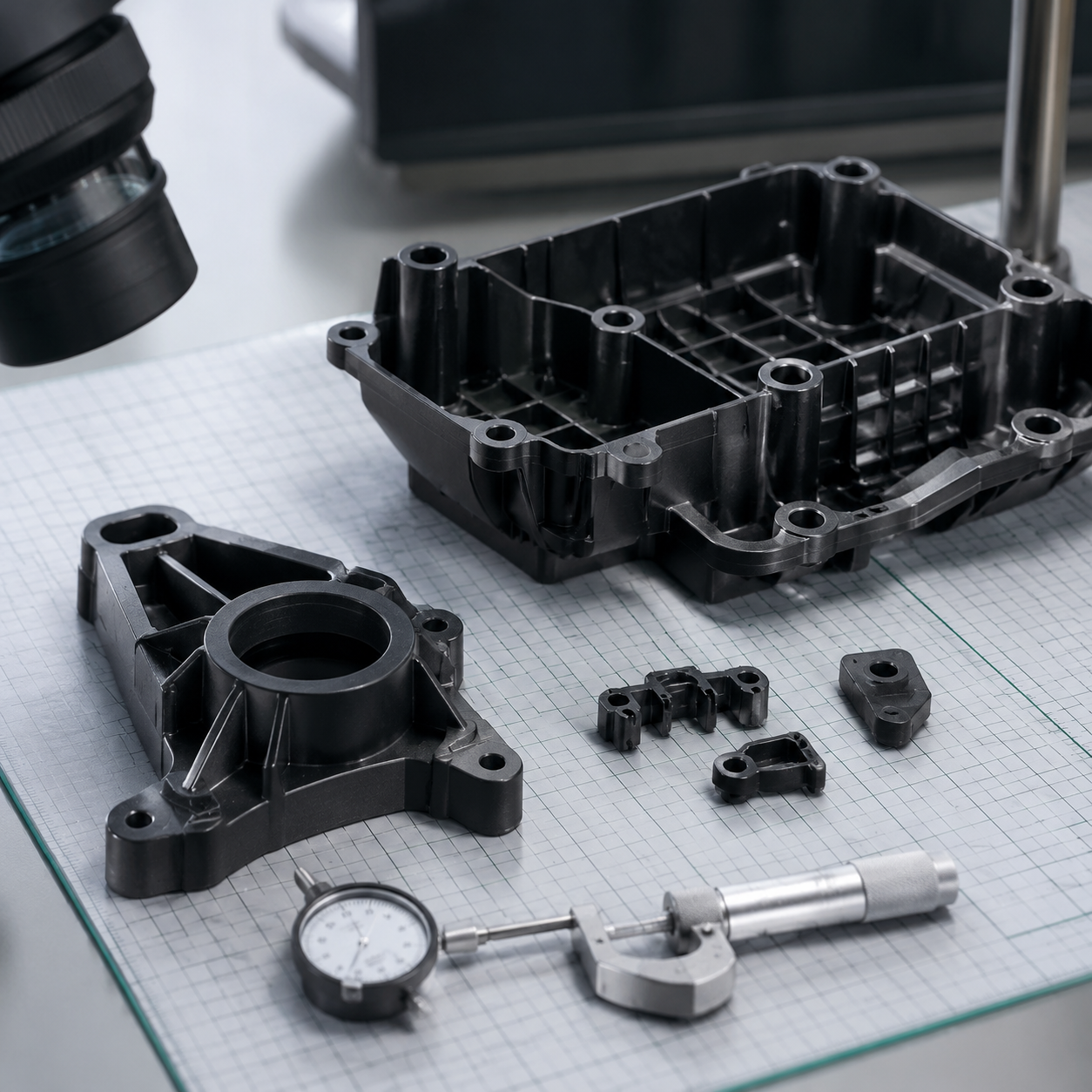
Glass fiber reinforced PA66 is often compared with reinforced PA6, FR PA66, or higher-performance materials such as PPS depending on heat, load, and electrical requirements. Trial molding remains important because fiber content, tool design, and part geometry all affect the final result.
For grade matching, teams often compare WanHan's PA66 families, reinforced PA66 grade options, and PA66 FR V0 material before requesting samples.
Why Choose WanHan for Engineering Plastic Projects?
Since 2005, WanHan has focused on independent R&D, production, and global sales of functional engineering plastics for more sustainable industrial applications. Certified to ISO 9001, ISO 14001, ISO 45001, and IATF 16949, we operate with complete in-house testing equipment and strict quality control throughout development and production. Our materials are exported to more than 30 countries and are widely used in automotive, electronics, home appliances, and industrial applications that require higher-performance polymer solutions.
- Application-based material selection support for OEM, injection molding, and product development teams.
- Custom compounding capability for glass fiber, flame-retardant, carbon fiber, mineral-filled, impact-modified, anti-UV, and color-customized grades.
- Full quality control with in-house testing equipment and certified systems for more stable repeat orders and production consistency.
- Free sample support, technical data sheets, and processing guidance to shorten validation time before mass production.
- Fast quotation response, export-ready packaging, and practical support for long-term B2B supply projects.
If you are selecting a resin for a new project or replacing an existing grade, WanHan can help with grade matching, sample preparation, and custom compound evaluation. You can send your target application, part drawing, annual quantity, or required properties through WanHan's inquiry page to get a faster quotation and material recommendation. You can also review top-sale engineering plastic grades for faster project matching.
WanHan can help determine whether a reinforced PA66 route is enough or whether the project should move toward FR PA66, long-glass-fiber nylon, or a different engineering-plastic family.
Frequently Asked Questions
Q: What is glass fiber reinforced PA66?
A: It is a nylon 66 material reinforced with glass fiber to improve stiffness and support stronger structural molded parts.
Q: What is reinforced PA66 used for?
A: It is used for automotive, electrical, appliance, and industrial molded parts that need higher rigidity and technical performance.
Q: Why choose reinforced PA66 instead of standard PA66?
A: Reinforced PA66 is chosen when the project needs more stiffness, structural support, or stronger heat-related performance than unfilled PA66 usually offers.
Q: Should reinforced PA66 be compared with reinforced PA6?
A: Yes. Teams often compare reinforced PA66 with reinforced PA6 depending on heat target, cost, and structural requirements.
Q: Can WanHan help compare reinforced PA66 grades?
A: Yes. WanHan can help compare reinforced, flame-retardant, and standard PA66 grades for technical molded-part applications.
Nylon 6 vs Nylon 66 for Injection Molding: Key Differences and Selection
Connector Housing Material: PA66, PBT, PPS, and FR Plastic Guide
Related Article



