
What Is PA66 Material? Properties, Uses, Advantages, and Processing Guide
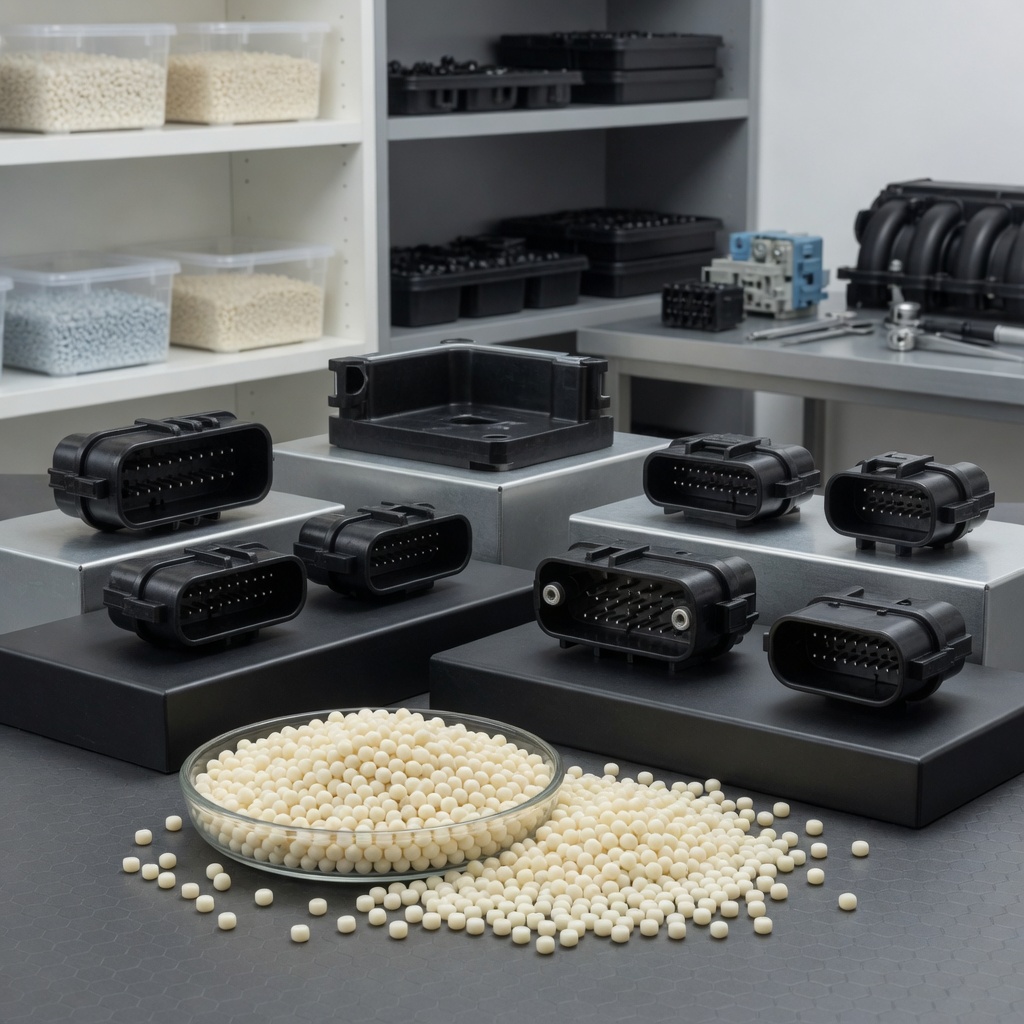
What Is PA66 Material? Properties, Uses, Advantages, and Processing Guide
PA66, also called polyamide 66 or PA66 nylon, is one of the most widely used engineering plastics for technical parts that need strength, heat resistance, wear performance, and stable molding quality. People searching for what is PA66, PA66 material, or polyamide 66 usually want a practical answer: what the material is, where it is used, and why manufacturers choose it over lower-performance plastics.
The short answer is that PA66 material is a high-performance engineering thermoplastic from the nylon family. It is commonly used in automotive, electrical, industrial, and consumer applications where mechanical reliability and temperature resistance matter.
What Is PA66?
PA66 stands for polyamide 66, a semi-crystalline engineering plastic known for a strong balance of stiffness, tensile strength, abrasion resistance, and thermal performance. In the plastics market, PA66 is often selected for molded components that must perform under load, friction, or elevated temperature conditions.
Compared with many general-purpose plastics, PA66 nylon offers:
- Higher mechanical strength
- Good heat resistance for demanding parts
- Useful wear and friction performance
- Reliable resistance to oils and many industrial chemicals
- Strong suitability for reinforced and flame-retardant grades
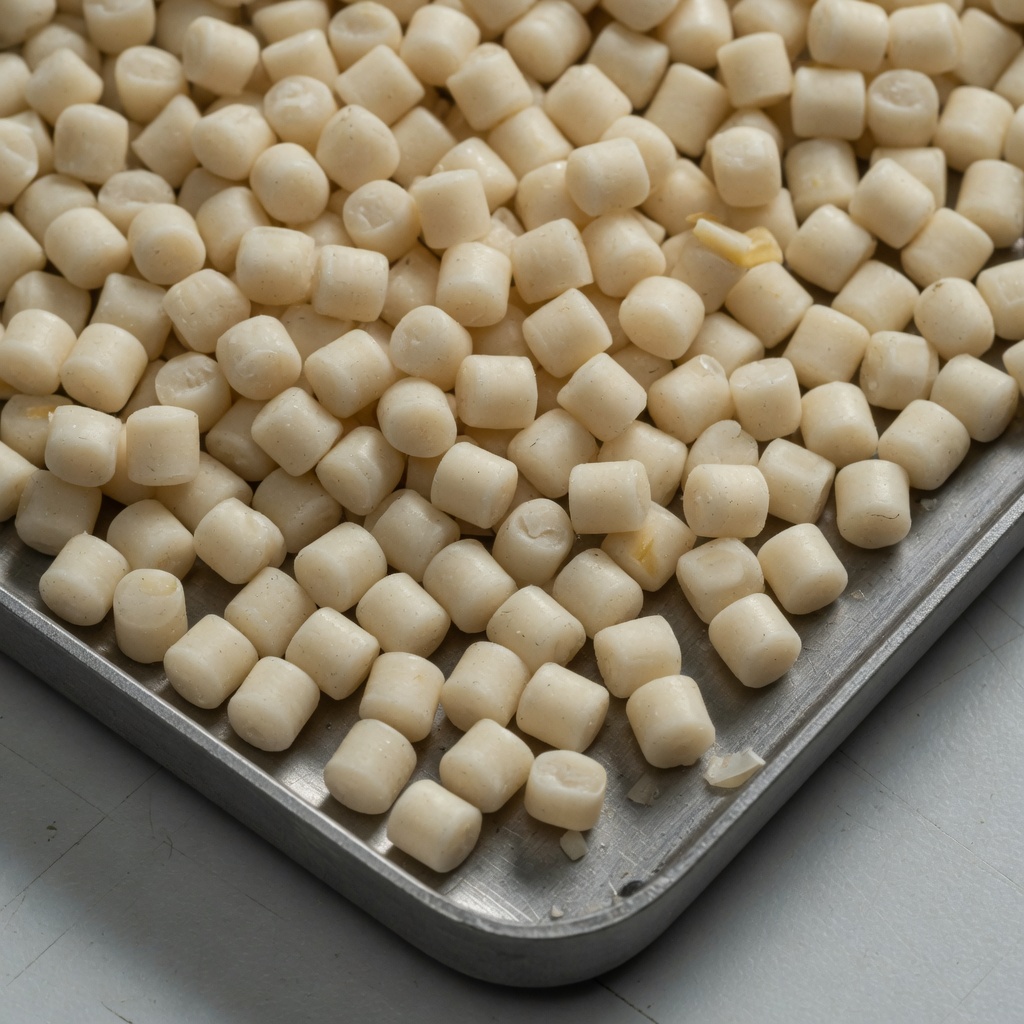
What Does PA66 Material Mean in Real Applications?
When engineers evaluate what is PA66 material, they usually care less about the chemical name and more about the material's job in finished parts. In practice, polyamide 66 is used when a molded component needs structural strength, dimensional stability, and long-term reliability in more demanding service environments.
This is why PA66 appears so often in precision engineering and electrical systems. It can be modified with glass fiber, flame retardants, impact modifiers, and heat stabilizers to match application-specific performance targets.
Key Properties of Polyamide 66
PA66 material is widely valued because it combines several important engineering properties in one resin system. Commonly recognized benefits include:
- High strength and rigidity
- Better heat resistance than many lower-cost plastics
- Good fatigue and wear resistance
- Stable performance in mechanical assemblies
- Good process flexibility through reinforcement and modification
Depending on the grade, PA66 can be optimized for structural parts, electrical housings, automotive under-hood components, or flame-retardant connector systems.
Common Uses of PA66 Nylon
PA66 nylon is used across many industries because it can handle mechanical load and elevated temperatures better than many common plastics. Typical applications include:
- Automotive connectors, clips, brackets, and under-hood parts
- Electrical connectors, switch housings, and terminal components
- Industrial gears, rollers, and wear-resistant molded parts
- Appliance structural components and heat-resistant housings
- Glass-filled engineering parts for higher stiffness requirements
For demanding safety requirements, flame-retardant PA66 grades are widely used in electrical and electronic systems.
For grade selection, teams can compare the broader PA66 material range and review a representative grade such as PA66 FR V0 polyamide 66 resin pellets for reinforcement level, thermal target, and flame-retardant requirements.
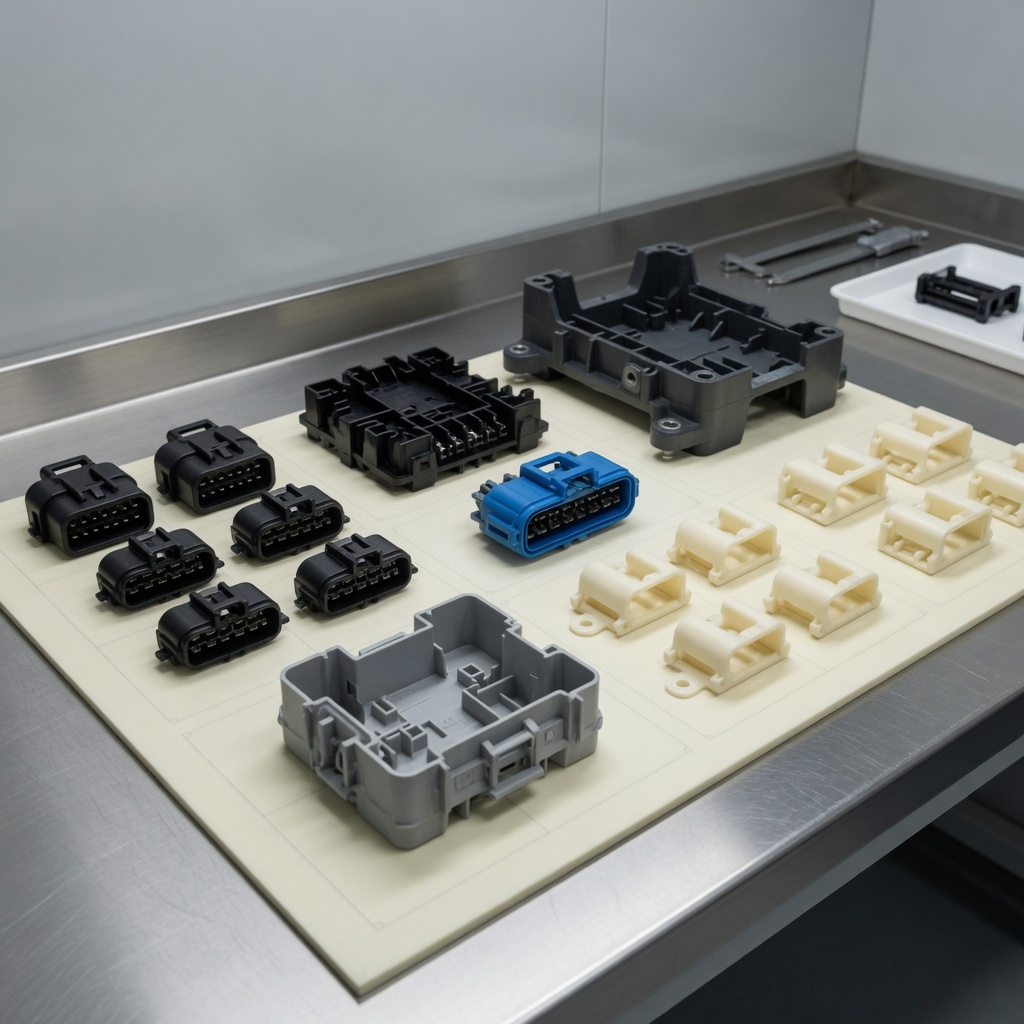
Advantages of PA66 Material
The reason PA66 remains such a strong technical search topic is simple: it solves real engineering problems. The main advantages include:
- Mechanical reliability: suitable for parts that need strength and toughness
- Thermal capability: useful in elevated-temperature environments
- Modification range: available in unfilled, glass-filled, flame-retardant, and reinforced grades
- Production efficiency: widely processed by injection molding with dependable industrial know-how
Limitations to Consider
Even though polyamide 66 is a strong engineering choice, it is not perfect for every design. Design teams should still consider the following:
- Moisture absorption can affect dimensions and properties in some applications
- Some parts need reinforcement for maximum stiffness
- Chemical exposure and continuous temperature conditions should still be evaluated case by case
- Material selection should match the exact load, environment, and compliance target
That is why PA66 is often compared with PA6, PBT, PC-ABS, and other engineering plastics during material selection.
How PA66 Material Is Processed
PA66 material is most commonly processed by injection molding. In production, manufacturers pay close attention to drying, melt temperature, mold temperature, and cycle stability because these factors strongly influence surface quality, dimensions, and mechanical consistency.
Good process control helps reduce defects such as flash, burn marks, poor filling, dimensional drift, and unstable appearance. For technical plastic parts, those details matter because even small process variation can affect assembly performance and product life.
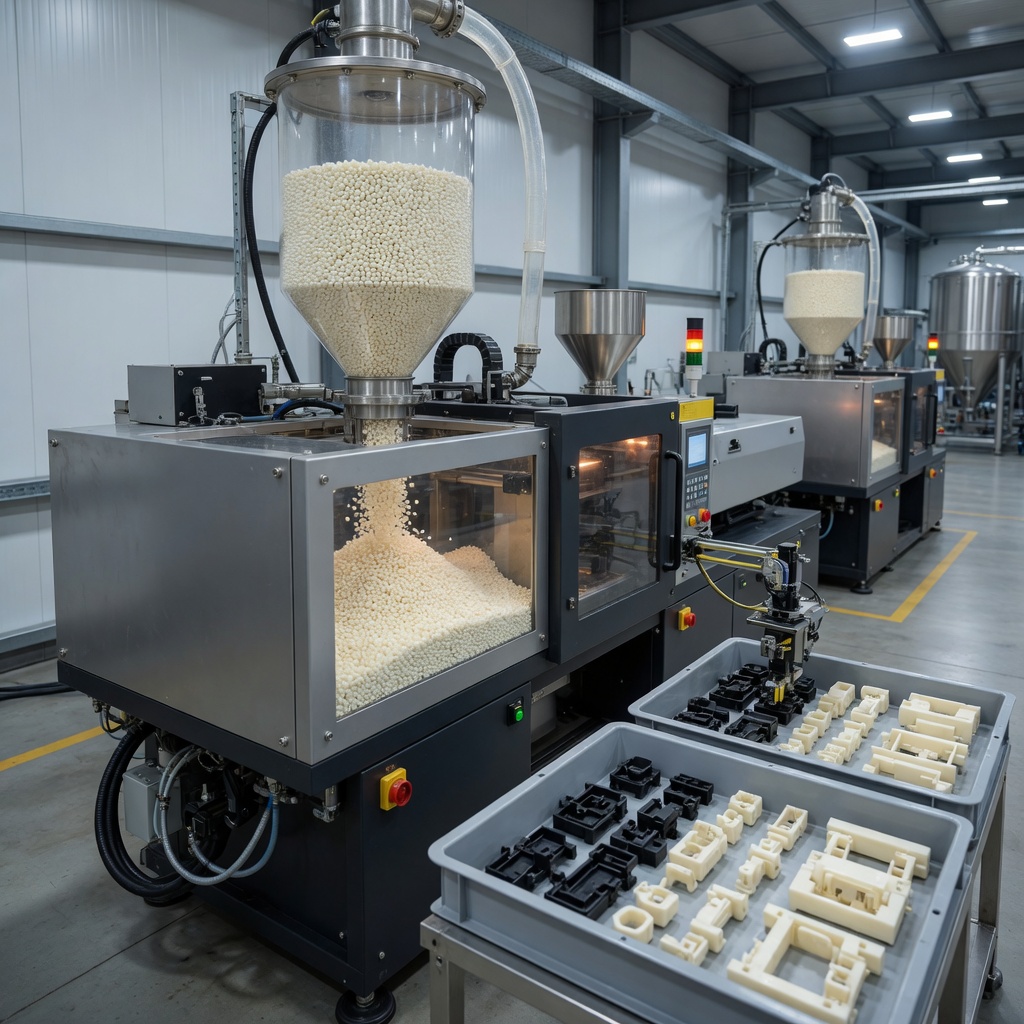
PA66 vs Other Engineering Plastics
Compared with many commodity plastics, PA66 offers far better engineering performance. Compared with PA6, it is often chosen when higher heat resistance and stiffness are more important. Compared with materials like PBT or PC-ABS, PA66 is frequently selected when wear resistance, mechanical strength, and nylon-family performance are the priority.
The correct decision still depends on the final application, including temperature, humidity, chemical exposure, electrical requirements, and part geometry.
Final Answer: Is PA66 a Good Engineering Plastic?
Yes. PA66 material is one of the most important engineering plastics in the market because it combines strength, heat resistance, wear performance, and broad application flexibility. That is why what is PA66, PA66 nylon, and polyamide 66 remain high-value search terms in technical material research.
For real project success, the key is not only understanding the name. It is choosing the right PA66 grade, reinforcement level, flame-retardant package, and molding condition for the actual end-use requirement.
Why Choose WanHan for Engineering Plastic Projects?
Since 2005, WanHan has focused on independent R&D, production, and global sales of functional engineering plastics for more sustainable industrial applications. Certified to ISO 9001, ISO 14001, ISO 45001, and IATF 16949, we operate with complete in-house testing equipment and strict quality control throughout development and production. Our materials are exported to more than 30 countries and are widely used in automotive, electronics, home appliances, and industrial applications that require higher-performance polymer solutions.
- Application-based material selection support for OEM, injection molding, and product development teams.
- Custom compounding capability for glass fiber, flame-retardant, carbon fiber, mineral-filled, impact-modified, anti-UV, and color-customized grades.
- Full quality control with in-house testing equipment and certified systems for more stable repeat orders and production consistency.
- Free sample support, technical data sheets, and processing guidance to shorten validation time before mass production.
- Fast quotation response, export-ready packaging, and practical support for long-term production supply programs.
If you are selecting a resin for a new project or replacing an existing grade, WanHan can help with grade matching, sample preparation, and custom compound evaluation. You can send your target application, part drawing, annual quantity, or required properties through WanHan's inquiry page to get a faster quotation and material recommendation. You can also review top-sale engineering plastic grades for faster project matching.
For PA66 applications, you can review WanHan's PA66 material family, PA66 FR V0 grade, and connector material guide for structural, thermal, and flame-retardant requirements.
Frequently Asked Questions
Q: What is PA66 material?
A: PA66 material is polyamide 66, an engineering nylon known for high strength, good heat resistance, wear performance, and broad use in automotive, electrical, and industrial components.
Q: What does PA66 stand for?
A: PA66 stands for polyamide 66, a semi-crystalline engineering thermoplastic in the nylon family used for structural and technical molded parts.
Q: What is PA66 used for?
A: PA66 is commonly used for automotive connectors, electrical housings, industrial wear parts, appliance components, brackets, clips, and reinforced engineering plastic parts.
Q: What are the advantages of PA66 nylon?
A: PA66 nylon offers high mechanical strength, useful heat resistance, good wear performance, and flexible grade options including glass-filled and flame-retardant versions.
Q: Is PA66 better than general-purpose plastic?
A: For technical parts, PA66 is usually better than general-purpose plastic because it provides stronger mechanical performance, higher thermal capability, and better suitability for engineering applications.
What Is PBT Material? Properties, Uses, Advantages, and Processing Guide
What Is PA6 Material? Properties, Uses, Advantages, and Processing Guide
Related Article



