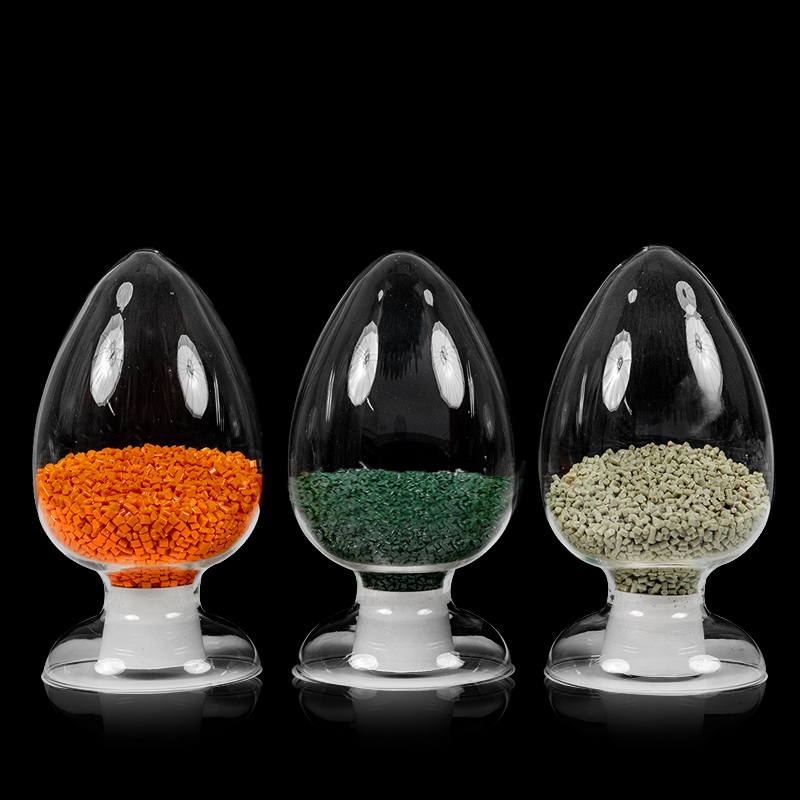
Material ABS: The Complete Engineering Plastic Guide
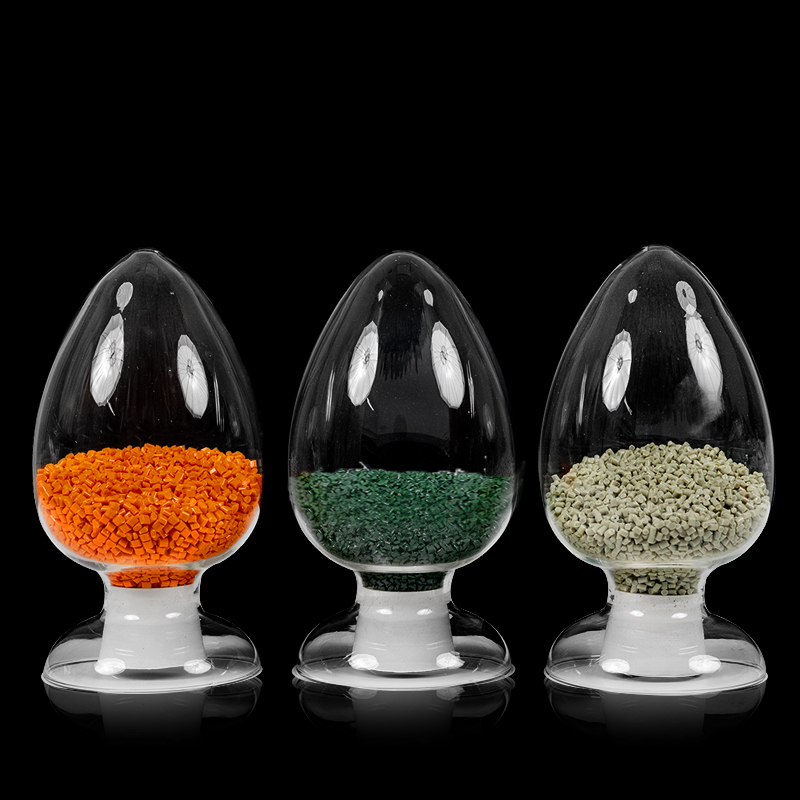
Introduction to Material ABS
Material ABS (Acrylonitrile Butadiene Styrene) is one of the most versatile thermoplastic polymers in the engineering world. Known for its excellent impact resistance and durability, this engineering plastic has become fundamental across countless industries, from automotive manufacturing to consumer electronics.
At Wanhan Plastic, we specialize in providing high-quality material ABS solutions tailored to meet specific industrial requirements. Our expertise in engineering plastics ensures that clients receive optimal material recommendations and manufacturing support for their projects.
What Makes ABS Plastic Unique?
Chemical Composition
The strength of material ABS comes from its unique three-component system:
-
Acrylonitrile provides chemical resistance, hardness, and heat stability
-
Butadiene contributes toughness and impact resistance
-
Styrene offers rigidity, processability, and glossiness
This balanced combination creates an engineering plastic with exceptional mechanical properties and processing versatility -3.
Key Properties of ABS Material
Material ABS demonstrates outstanding characteristics that make it ideal for demanding applications:
Mechanical Properties
-
High impact strength and durability
-
Excellent rigidity and dimensional stability
-
Good abrasion resistance
-
Strong fatigue resistance
Thermal Properties
-
Heat deflection temperature of 70-107°C
-
Melting point between 200-240°C
-
Performs well across a wide temperature range
Electrical Properties
-
Excellent electrical insulation capabilities
-
Good dielectric strength
-
Stable performance across various environmental conditions
Chemical Resistance
-
Resistant to acids and alkalis
-
Withstands many chemicals and solvents
-
Good water resistance
ABS Material Advantages and Disadvantages
Key Advantages
Superior Impact Resistance
ABS plastic offers exceptional toughness that makes it suitable for protective applications and durable products -3.
Excellent Machinability
The material can be easily processed through injection molding, extrusion, and 3D printing, providing manufacturing flexibility -3.
Good Chemical Resistance
Material ABS demonstrates resistance to many chemicals, including acids, alkalis, and various solvents -3.
Cost-Effectiveness
As a widely available engineering plastic, ABS provides excellent value while maintaining high performance standards.
Recyclability
ABS is 100% recyclable, supporting sustainable manufacturing practices and environmental responsibility -7.
Limitations to Consider
Weathering Sensitivity
ABS has poor UV resistance and may degrade when exposed to direct sunlight without proper stabilization -3.
Flammability
The material is combustible and requires flame-retardant additives for applications requiring fire resistance -3.
Temperature Limitations
With a relatively low melting point, ABS may not be suitable for high-temperature applications above 80-100°C.
Applications of Material ABS Across Industries
Automotive Applications
The automotive industry extensively uses material ABS for both interior and exterior components:
-
Dashboard components and instrument panels
-
Wheel covers and body trim
-
Seat belt components and door liners
-
Interior console parts and pillar trim
The material's lightweight nature helps reduce vehicle weight by up to 10%, contributing to improved fuel efficiency -10.
Electronics and Electrical
ABS plastic is ideal for electrical applications due to its excellent insulation properties:
-
Computer keyboards and printer parts
-
Electrical enclosures and housings
-
Wall socket face-guards
-
Electronic device casings
Consumer Products
The material's versatility makes it perfect for consumer goods:
-
Power tool housings
-
Kitchen appliances and utensils
-
Protective gear and equipment
-
Toys and recreational products
Industrial Applications
Material ABS serves multiple industrial purposes:
-
Pipes and fittings for plumbing systems
-
Machine prototypes and components
-
Vacuum cleaner housings and parts
-
Gardening tools and equipment
3D Printing Applications
ABS filament is a popular choice for additive manufacturing due to its:
-
Good layer adhesion during printing
-
Smooth surface finish post-processing
-
Durability for functional prototypes
-
Heat resistance compared to other filaments like PLA
Processing and Manufacturing ABS Material
Injection Molding
Material ABS is most commonly processed through injection molding:
-
Melt temperature: 210-280°C
-
Mold temperature: 25-70°C
-
Drying requirements: 80-90°C for 2-4 hours
-
Injection pressure: 500-1000 bar
3D Printing
For additive manufacturing, ABS offers excellent results:
-
Higher strength than PLA materials
-
Good heat resistance for functional parts
-
Smooth surface finish with acetone treatment
-
Wide color availability
Extrusion and Other Methods
ABS can also be processed through:
-
Extrusion for sheets and profiles
-
Blow molding for hollow parts
-
Thermoforming for shaped components
-
CNC machining for precision parts
ABS vs Nylon Material: Key Differences
Property Comparison
| Property | Material ABS | Nylon Material |
|---|---|---|
| Strength | Good mechanical strength | Higher strength and rigidity |
| Impact Resistance | Excellent at room temperature | Good, but temperature dependent |
| Moisture Absorption | Low (0.2-0.8%) | High (1.5-3.0%) |
| Heat Resistance | Moderate (80-100°C) | Higher (150-180°C) |
| Chemical Resistance | Good against many chemicals | Excellent against oils and fuels |
| Cost | More economical | Higher cost |
Selection Guidelines
Choose Material ABS when:
-
Cost-effectiveness is important
-
High impact resistance is required
-
Good electrical insulation is needed
-
Ease of processing is prioritized
Choose Nylon Material when:
-
Higher heat resistance is critical
-
Superior mechanical strength is required
-
Excellent wear resistance is needed
-
Chemical exposure involves oils or fuels
At Wanhan Plastic, our technical experts can help you determine whether material ABS or nylon material better suits your specific application requirements.
ABS Recycling and Sustainability
Material ABS supports sustainable manufacturing through its recycling capabilities:
Recycling Process
-
ABS carries recycling code 7
-
The material can be multiple times recycled without significant property degradation
-
Recycled ABS maintains good mechanical properties
Environmental Considerations
-
Lower energy consumption during processing compared to many metals
-
Reduced weight contributes to transportation energy savings
-
Long product lifespan decreases replacement frequency
Why Choose Wanhan Plastic for ABS Material?
Wanhan Plastic stands as your trusted partner for material ABS solutions:
Technical Expertise
Our experienced team provides comprehensive support from material selection to manufacturing optimization.
Quality Assurance
We ensure consistent material properties and performance through rigorous quality control measures.
Custom Solutions
We offer custom compounding services to develop ABS formulations with specific properties for unique applications.
Manufacturing Support
From prototyping to mass production, we provide end-to-end support for your ABS manufacturing needs.
Frequently Asked Questions
Q1: Is ABS material safe for food contact applications?
A: Specific food-grade ABS grades are available that meet FDA requirements for food contact applications. These grades contain approved additives and are manufactured under controlled conditions.
Q2: How does ABS plastic compare to polycarbonate?
A: While both are engineering plastics, polycarbonate offers higher impact resistance and transparency, whereas ABS provides better processability and cost-effectiveness.
Q3: Can ABS parts be used outdoors?
A: Standard ABS has poor UV resistance and requires stabilization for outdoor use. UV-resistant ABS grades or proper coating systems can enable outdoor applications.
Q4: What is the difference between ABS and PLA materials?
A: ABS offers higher strength, heat resistance, and durability, while PLA is biodegradable and easier to print but more brittle and less heat-resistant.
Q5: How does nylon material compare to ABS for gear applications?
A: Nylon material generally offers better wear resistance and fatigue properties for gears, while ABS provides better dimensional stability and cost-effectiveness for less demanding applications.
Conclusion: Why Choose Material ABS?
Material ABS continues to be one of the most versatile engineering plastics available today. Its balanced properties of strength, durability, and processability make it ideal for countless applications across automotive, electronics, consumer products, and industrial sectors.
The material's cost-effectiveness combined with excellent mechanical properties ensures it remains a top choice for manufacturers worldwide. Whether you need high-impact resistance, good electrical insulation, or excellent processability, ABS delivers consistent performance.
At Wanhan Plastic, we understand the unique advantages of material ABS and help our clients leverage these benefits for their specific applications. Our technical expertise and manufacturing capabilities ensure you get the most value from this remarkable engineering plastic.
For more information on how material ABS can benefit your projects, or to discuss your specific material requirements, contact the experts at Wanhan Plastic today. We're committed to providing innovative material solutions that drive your success.
What is ABS Material? Properties, Uses, and Comparisons to PC, PBT & PPS