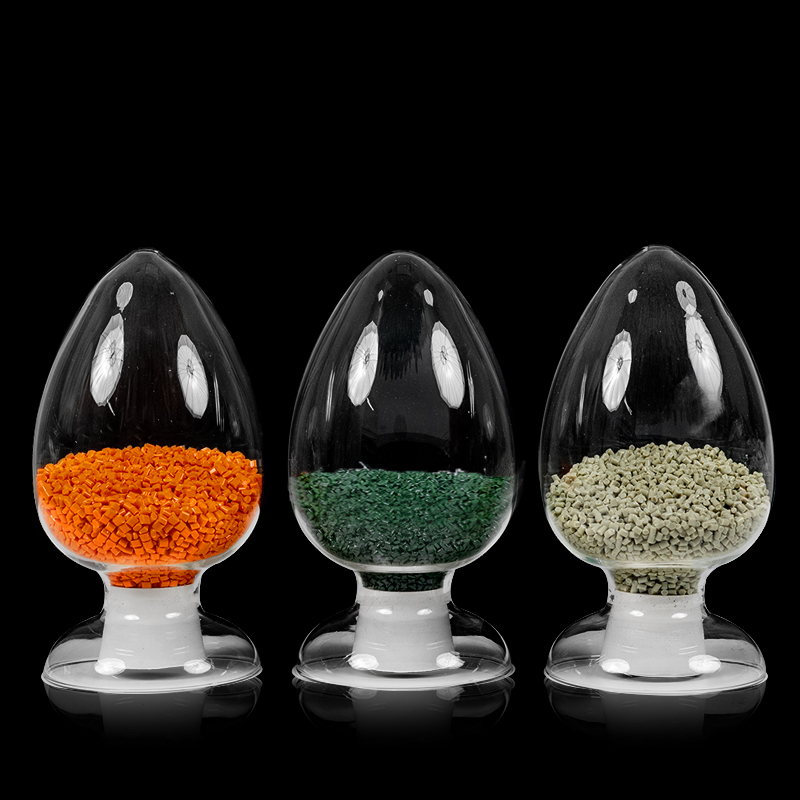
What is ABS Material? Properties, Uses, and Comparisons to PC, PBT & PPS
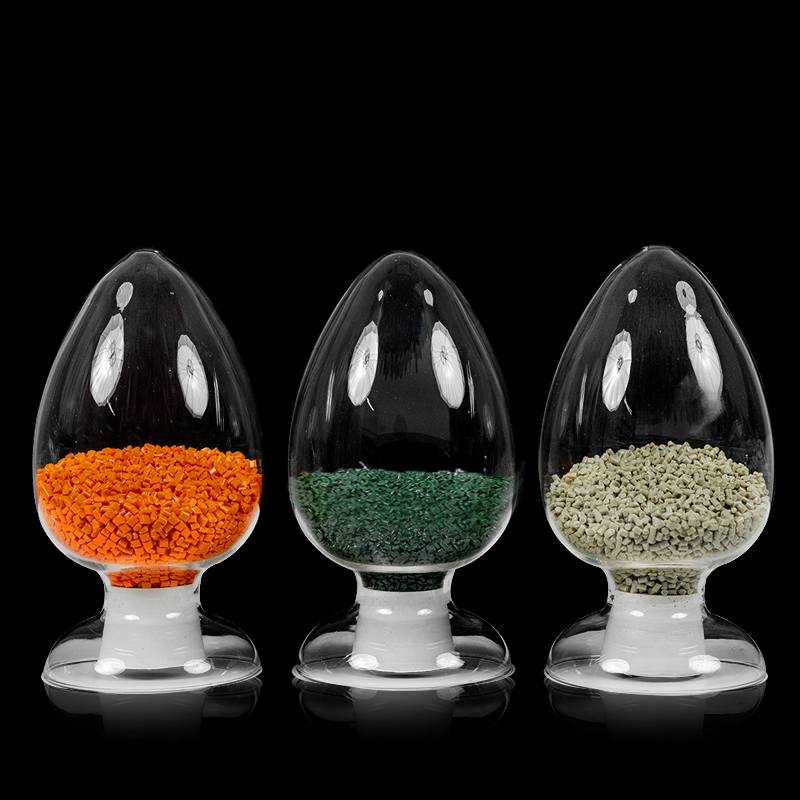
If you've ever wondered about the sturdy plastic that makes up LEGO bricks, automotive dashboards, or the shell of your computer monitor, you've likely encountered ABS material. But what exactly is this ubiquitous plastic, and what makes it so popular? For those searching for "material abs que significa" (what does ABS material mean), this article provides a complete breakdown.
ABS, or Acrylonitrile Butadiene Styrene, is a widely used thermoplastic polymer prized for its excellent impact resistance, rigidity, and cost-effectiveness. Its name reveals its three core monomers:
-
Acrylonitrile: Provides chemical resistance, thermal stability, and overall strength.
-
Butadiene: Imparts toughness and impact resistance, even at low temperatures.
-
Styrene: Contributes to a hard, glossy surface finish and excellent processability.
This synergistic combination results in a versatile material ABS that is a go-to choice for countless applications across various industries.
Key Properties and Advantages of ABS
The popularity of ABS stems from its well-balanced set of mechanical and thermal properties. The following table summarizes its core characteristics:
| Property | Description | Advantage |
|---|---|---|
| High Impact Strength | Excellent toughness and durability, even in sub-zero environments. | Ideal for protective housings, consumer products, and automotive parts. |
| Good Rigidity | Maintains its shape under mechanical stress without flexing excessively. | Provides structural integrity for enclosures and components. |
| Ease of Processing | Can be easily injection molded, extruded, and 3D printed. | Low manufacturing costs and high production efficiency. |
| Good Aesthetic Quality | Can be easily painted, glued, and finished with a glossy surface. | Allows for attractive, brand-consistent product designs. |
| Cost-Effective | Offers a superior balance of performance and price. | An economical choice for a vast range of applications. |
Common Applications of ABS Plastic
Thanks to its versatile properties, ABS material is found everywhere. Some of its most common uses include:
-
Automotive Industry: Interior trim components, dashboard parts, console boxes, and grilles.
-
Consumer Electronics: Housings for monitors, printers, keyboards, and vacuum cleaners.
-
Appliances: Housings for kitchen mixers, coffee makers, and power tool bodies.
-
Toys: The primary material for LEGO bricks and many other action figures and model kits.
-
3D Printing: A favorite filament due to its strength, smooth finish, and ease of post-processing.
How ABS Compares to Other Engineering Plastics
To truly understand where ABS plastic fits, it's helpful to compare it with other common engineering thermoplastics.
ABS vs. PC (Material PC)
-
ABS: Offers better cost-effectiveness and ease of processing. It has good impact strength but lower overall toughness and heat resistance than PC.
-
PC (Polycarbonate): Superior impact strength, exceptional clarity, and much higher heat resistance. It is often more expensive and can be prone to scratching. For applications requiring extreme toughness and transparency, material PC is the choice. Blends of ABS and PC (PC/ABS) are also common, combining the processability of ABS with the heat and impact resistance of PC.
ABS vs. PBT GF20
-
ABS: A general-purpose material with good all-around properties.
-
PBT GF20 (Polybutylene Terephthalate with 20% Glass Fiber): This is a more specialized, high-performance material. The 20% glass fiber reinforcement significantly enhances its strength, stiffness, and heat deflection temperature compared to standard ABS. PBT GF20 also exhibits excellent chemical and electrical resistance, making it suitable for under-the-hood automotive components and electrical connectors where ABS would not survive.
ABS vs. PPS GF40
-
ABS: Has a relatively low continuous service temperature.
-
PPS GF40 (Polyphenylene Sulfide with 40% Glass Fiber): This is a true high-performance thermoplastic with an exceptional balance of properties. PPS plastic is inherently flame retardant and possesses outstanding thermal stability, allowing it to withstand prolonged use at temperatures over 200°C. When reinforced with 40% glass fiber (PPS GF40), it becomes an incredibly strong, rigid, and dimensionally stable material used in demanding automotive, electrical, and aerospace applications, far exceeding the capabilities of ABS.
Frequently Asked Questions (FAQ)
Q1: Material abs que significa?
A: "Material ABS" significa "Material de ABS" en español, donde ABS es el acrónimo de Acrilonitrilo Butadieno Estireno (Acrylonitrile Butadiene Styrene). Es un plástico de ingeniería conocido por su resistencia al impacto y rigidez.
Q2: Is ABS material safe?
A: In its solid, final form, ABS is generally considered safe and non-toxic. This is why it's used in food containers, toys, and kitchen appliances. However, fumes produced during 3D printing or melting should be avoided with proper ventilation.
Q3: Can ABS be recycled?
A: Yes, ABS is a recyclable plastic (Recycling Code #7). It can be shredded, re-melted, and reformed into new products.
Partner with Wanhan for Your Material Solutions
Choosing the right plastic is crucial for the success of your product. While ABS material is a fantastic all-rounder, high-performance applications may demand the superior heat resistance of PPS GF40 or the enhanced strength of PBT GF20.
At Guangdong Wanhan New Material Technology Co., Ltd., we provide more than just materials—we provide solutions. Since 2005, we have been a trusted creator of engineering plastics for a sustainable future, focusing on the independent R&D, production, and sales of functional polymer materials.
Why Choose Wanhan?
-
Certified Quality: Our production is certified with IATF 16949, ISO9001, ISO 14001, and ISO 45001, ensuring the highest quality standards for every batch.
-
Comprehensive Portfolio: We offer a wide range of materials, from standard ABS plastic and material PC to high-performance compounds like PPS GF40 and PBT GF20.
-
Global Expertise: Our solutions are exported to 30+ countries and are trusted in automotive, electronics, home appliances, and industrial applications.
Get Your Tailored Quote Today!
Do you have a project that requires expert material selection? Let our technical team help you find the perfect plastic to meet your performance, cost, and manufacturing needs.
Material ABS: The Complete Engineering Plastic Guide