The Complete Guide to Nylon 12 (PA12): Properties, Applications and Benefits
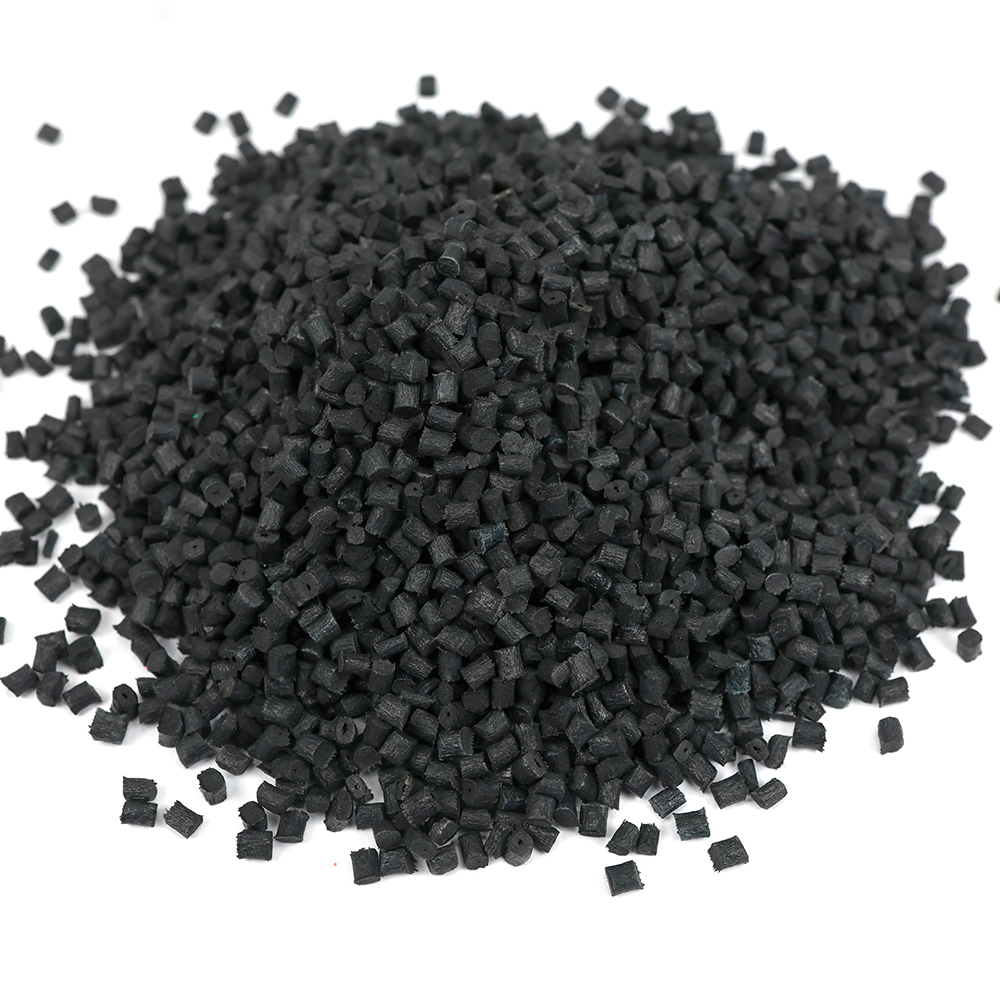
Introduction to Nylon 12 Material
Nylon 12, also known as PA12 (Polyamide 12), represents one of the most versatile engineering thermoplastics in the nylon material family. As a high-performance PA material, it has gained significant prominence across multiple industries due to its exceptional balance of mechanical properties, chemical resistance, and processing versatility.
The fundamental characteristic of Nylon 12 lies in its chemical structure, featuring 12 carbon atoms in its monomer chain. This longer chain length compared to other nylons like PA6 contributes to its superior performance in demanding environments. At Wanhan Plastic, we specialize in providing comprehensive PA material solutions, leveraging the unique advantages of Nylon 12 to meet diverse industrial requirements.
What is Nylon 12? Understanding the Basics
Nylon 12 is a synthetic thermoplastic polymer belonging to the polyamide family. Unlike nylon 11 which is derived from renewable castor oil, PA12 is primarily produced from petroleum sources. This PA material offers an exceptional combination of properties that make it suitable for challenging applications where other materials might fail.
The production process of Nylon 12 involves sophisticated polymerization techniques using specialized monomers. As an experienced PA material supplier, Wanhan Plastic understands the critical importance of consistent quality in Nylon 12 production, ensuring reliable performance across various applications.
Key Properties and Characteristics of Nylon 12
Mechanical Properties
Nylon 12 demonstrates outstanding mechanical capabilities that make it ideal for demanding applications:
-
High Impact Resistance: Maintains excellent toughness even in low-temperature environments
-
Excellent Flexibility: Offers superior ductility compared to shorter-chain nylons
-
Good Tensile Strength: Provides reliable mechanical performance under load
-
Exceptional Abrasion Resistance: Withstands wear and friction in moving applications
Thermal Properties
The thermal performance of PA12 makes it suitable for various temperature conditions:
-
Melting Point: Approximately 178-180°C
-
Heat Deflection Temperature: Can withstand temperatures up to 175°C
-
Thermal Aging Resistance: Maintains properties over time at elevated temperatures
-
Low-Temperature Performance: Remains flexible and impact-resistant in freezing conditions
Chemical Resistance
Nylon 12 offers exceptional resistance to various chemicals:
-
Fuels and Oils: Excellent resistance makes it ideal for automotive applications
-
Hydraulic Fluids: Maintains integrity in industrial fluid systems
-
Solvents and Salts: Resists degradation in harsh chemical environments
-
Water and Moisture: Low absorption prevents swelling and property degradation
Electrical Properties
This PA material exhibits good electrical insulation properties, making it suitable for electrical and electronic applications where consistent dielectric strength is required.
Comparison Table: Nylon 12 vs Other PA Materials
| Property | Nylon 12 (PA12) | Nylon 11 (PA11) | Nylon 6 (PA6) |
|---|---|---|---|
| Carbon Atoms | 12 | 11 | 6 |
| Moisture Absorption | Low (0.3%) | Low (1.6%) | High (3-4%) |
| Melting Point | 178-180°C | Similar to PA12 | 220-230°C |
| Flexibility | High | Higher | Moderate |
| Impact Resistance | Excellent | Excellent | Good |
| Chemical Resistance | Excellent | Very Good | Good |
| Cost Factor | Higher | Higher | More Economical |
Nylon 12 vs Nylon 11: Key Differences
While both nylon 12 and nylon 11 belong to the long-chain polyamide family, understanding their differences is crucial for material selection:
Source and Sustainability
Nylon 11 is a bio-based polyamide derived from renewable castor oil, making it more environmentally friendly. In contrast, PA12 is a synthetic polymer primarily produced from petroleum sources. However, nylon 12 typically offers better cost-effectiveness and wider availability in the PA material market.
Performance Characteristics
Nylon 12 exhibits lower moisture absorption compared to nylon 11, contributing to superior dimensional stability in humid environments. While both materials offer excellent chemical resistance, PA12 generally demonstrates better performance against a broader range of chemicals, including oils, fuels, and hydraulic fluids.
Application Considerations
For applications demanding maximum environmental sustainability, nylon 11 may be preferred. However, for most industrial applications requiring optimal dimensional stability, chemical resistance, and cost-effectiveness, nylon 12 often emerges as the superior PA material choice.
Applications of Nylon 12 Across Industries
Automotive Industry
Nylon 12 has become indispensable in modern automotive manufacturing:
-
Fuel Lines and Brake Tubing: Superior chemical resistance ensures long-term reliability
-
Pneumatic and Hydraulic Systems: Excellent pressure resistance and durability
-
Connectors and Fittings: Maintains dimensional stability under various conditions
-
Protective Housings: Impact resistance protects sensitive components
Industrial Applications
The industrial sector extensively utilizes PA12 for numerous critical components:
-
Bearings and Gears: Excellent wear resistance ensures long service life
-
Tubing and Hose Systems: Flexibility and chemical resistance prevent failures
-
Mechanical Components: Withstands repetitive stress and loading
-
Protective Covers: Resists environmental factors and mechanical damage
Electrical and Electronics
The electrical properties of Nylon 12 make it valuable for various electrical applications:
-
Cable Sheathing and Protection: Resists environmental factors while providing insulation
-
Electrical Connectors: Maintains dimensional stability for consistent performance
-
Electronic Housings: Protects sensitive components from impact and environmental factors
3D Printing and Additive Manufacturing
PA12 has emerged as a premier material for industrial 3D printing:
-
Functional Prototypes: Produces high-quality, durable prototypes
-
Production Parts: Suitable for end-use components with complex geometries
-
Jigs and Fixtures: Creates lightweight, durable manufacturing aids
-
Custom Components: Enables production of parts with intricate designs
Why Choose Wanhan Plastic for Nylon 12 Solutions?
Wanhan Plastic stands as your trusted partner for PA material solutions, offering:
Technical Expertise
Our experienced team provides comprehensive support from material selection to manufacturing optimization, ensuring optimal performance of Nylon 12 in your applications.
Quality Assurance
We maintain stringent quality control measures to ensure consistent PA material properties and performance, backed by thorough testing and validation protocols.
Custom Solutions
Our capability to develop tailored formulations of Nylon 12 enables us to meet specific application requirements, including unique mechanical, thermal, or chemical resistance needs.
Frequently Asked Questions About Nylon 12
Q1: What is the main advantage of Nylon 12 over other nylons?
The primary advantage of Nylon 12 is its exceptionally low moisture absorption, which provides superior dimensional stability in humid or wet environments compared to other nylons like PA6.
Q2: Is Nylon 12 suitable for food contact applications?
Specific food-grade PA12 formulations are available that comply with FDA and other international food contact regulations. These specialized grades are suitable for food processing equipment and packaging applications.
Q3: How does Nylon 12 perform in high-temperature environments?
Nylon 12 typically withstands continuous use at temperatures up to 110-120°C, with heat deflection temperatures up to 175°C depending on the specific grade and reinforcement.
Q4: What is the difference between Nylon 12 and Nylon 11?
While both are long-chain polyamides, Nylon 11 is bio-based from castor oil while Nylon 12 is petroleum-based. PA12 typically offers lower moisture absorption and better chemical resistance.
Q5: What industries commonly use Nylon 12?
PA12 is widely used in automotive, industrial, electrical, medical, and consumer goods industries for applications requiring durability, chemical resistance, and dimensional stability.
Conclusion: The Future of Nylon 12
Nylon 12 continues to demonstrate its value as a versatile, high-performance PA material with an exceptional balance of properties. Its unique combination of low moisture absorption, excellent chemical resistance, flexibility, and durability ensures its ongoing relevance across multiple industries.
As technology advances and application requirements evolve, PA12 continues to adapt through enhanced formulations and processing innovations. The development of new reinforcement technologies and sustainable production methods further expands the potential applications for this remarkable nylon material.
For businesses seeking reliable, high-performance material solutions, Nylon 12 represents an optimal choice that delivers consistent performance, manufacturing efficiency, and long-term value. At Wanhan Plastic, our commitment to PA material innovation and customer support ensures that our clients receive optimal Nylon 12 solutions for their specific application requirements.
Unlocking the Potential of Nylon 12: Exploring Its Melting Point, Properties, and Diverse Applications
Related Article