
PA12 vs PA11: Choosing a Low-Moisture Nylon
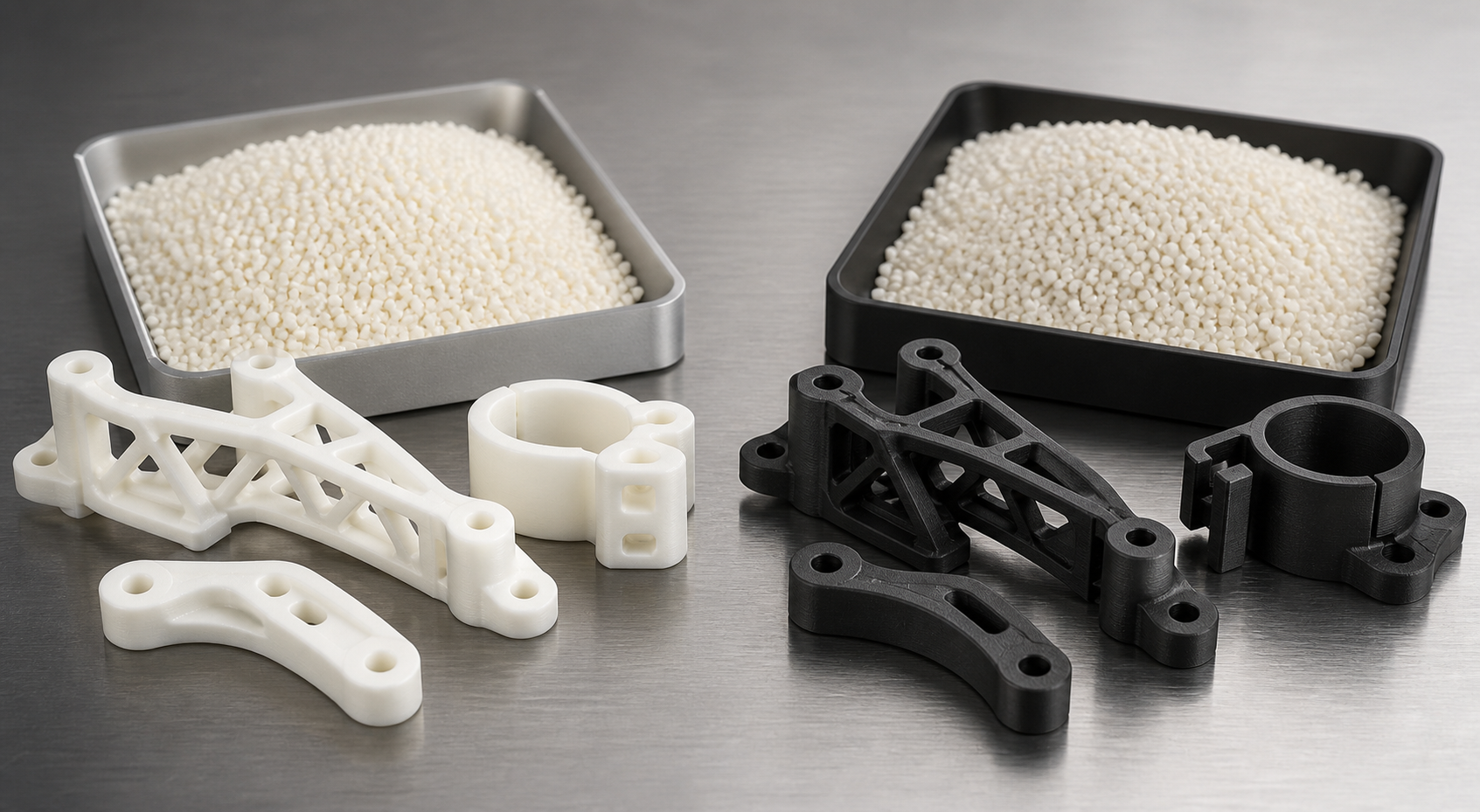
pa12 vs pa11 is an important comparison for buyers who need lower moisture sensitivity than PA6 or PA66 and want better dimensional stability in technical parts.
Both are long-chain nylons, but PA12 is often chosen for dimensional stability and precision uses, while PA11 is often evaluated where toughness and flexibility matter more.
WanHan already supports this cluster with the PA12 material guide, the PA12 category, and the PA12 CF30 product page.
Why PA12 and PA11 Are Often Compared
The main reason is moisture. Both PA11 and PA12 are often reviewed as lower-moisture nylon options for tubing, precision parts, lightweight structures, and specialty reinforced systems.
That makes them relevant in medical-adjacent, mobility, automation, and outdoor engineering use where dimensional retention matters.
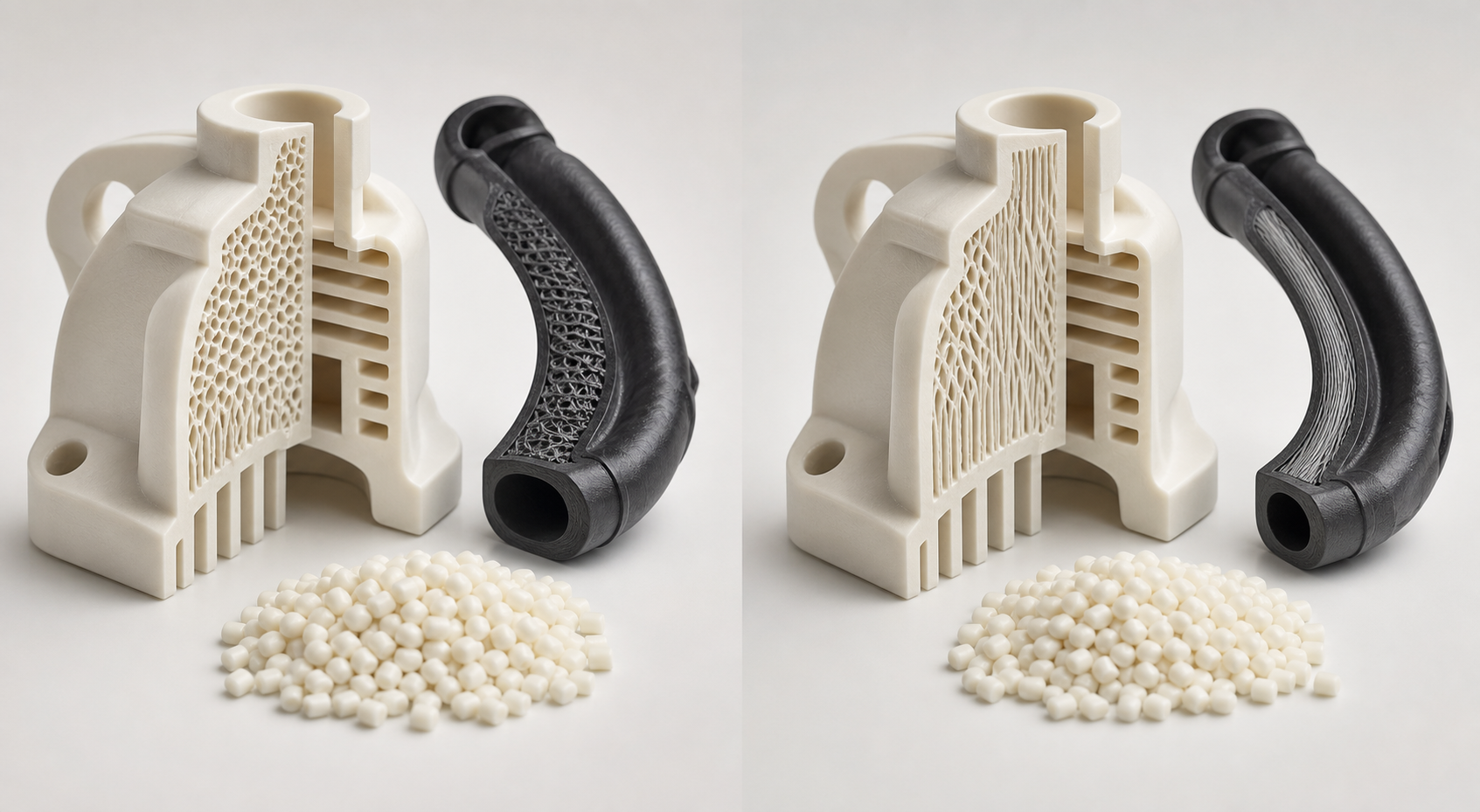
| Factor | PA11 | PA12 |
|---|---|---|
| Typical evaluation focus | Toughness and flexibility | Dimensional stability and precision |
| Moisture positioning | Low compared with PA6 and PA66 | Low compared with PA6 and PA66 |
| Common reinforced direction | Lightweight structural compounds | CF and precision-grade compounds |
How Reinforced Grades Change the Choice
A buyer looking for CF PA12 or another low-moisture nylon may actually be comparing reinforcement systems rather than neat resins.
Once carbon fiber is added, the decision also includes stiffness, anisotropy, process wear, and part weight targets.
- PA12 reinforced systems often support precision, low-moisture positioning
- PA11 reinforced systems may be screened for lighter, tougher parts
- Both should be tested in the real service environment
A Practical Selection Checklist
The most useful screening path is to define whether the part needs tubing behavior, molded precision, or reinforced structural performance.
- Review the moisture and dimensional-stability requirement first.
- Decide whether the part needs unfilled, glass-filled, or carbon-fiber reinforcement.
- Compare chemical exposure, flexibility, and tolerance risk.
- Validate the shortlisted grade on molded or extruded samples.
Frequently Asked Questions
Q: What is the difference in PA12 vs PA11?
A: Both are low-moisture nylons, but PA12 is often chosen for dimensional stability and precision parts, while PA11 is often evaluated for toughness and flexibility.
Q: Is PA12 better than PA11 for carbon-fiber nylon?
A: PA12 is a common choice for CF compounds, but the best answer depends on stiffness, environment, and finished-part validation.
Q: Why do buyers call PA12 and PA11 low moisture nylon?
A: They generally absorb less moisture than shorter-chain nylons such as PA6 or PA66, which can help dimensional consistency.
Q: When is PA12 often shortlisted first?
A: PA12 is often shortlisted first when the project prioritizes lower moisture uptake, dimensional stability, and precision-oriented reinforced applications.
Q: When can PA11 stay attractive in the comparison?
A: PA11 can stay attractive when toughness, flexibility, or a specialty lightweight technical-part profile matters more than maximum dimensional precision.
Q: Can a supplier help compare PA11 and PA12 reinforced grades?
A: Yes. A capable supplier should compare reinforcement route, environmental exposure, and processing practicality before recommending a production candidate.
Q: Can I request low-moisture nylon samples before release?
A: Yes. Molded or extruded samples should be validated first so moisture behavior, fit, and reinforcement effects can be checked in the real use case.
Conclusion
PA12 vs PA11 decisions become clearer when the buyer starts with moisture, precision, and reinforcement needs instead of family names alone. WanHan can help screen both resin systems for molded and reinforced engineering parts.
PA12 vs PA6: Material Differences and Use Cases
PBT vs PET: Material Differences for Engineering Parts
Related Article



