pc abs vs aluminium
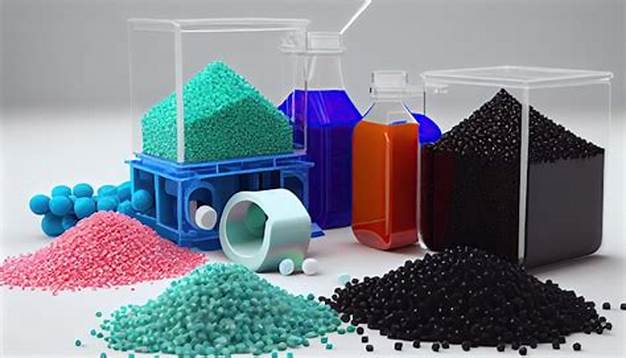
In the realm of material choices for manufacturing, the decision between PC/ABS (Polycarbonate/Acrylonitrile Butadiene Styrene) and Aluminium often emerges as a critical consideration. Each material brings its own set of characteristics and advantages to the table, catering to different needs and industries. This article aims to explore the distinctions between PC/ABS and Aluminium, shedding light on their compositions, properties, applications, and the factors influencing the choice between the two.
Compositions: Polymer Blend vs. Metal Alloy
PC/ABS (Polycarbonate/Acrylonitrile Butadiene Styrene): PC/ABS is a polymer blend, combining the strengths of polycarbonate and ABS. Polycarbonate contributes impact resistance and transparency, while ABS adds heat resistance and toughness. The synergy between these two polymers results in a versatile material with enhanced properties compared to individual components.
Aluminium: Aluminium, on the other hand, is a metal renowned for its lightweight, high strength-to-weight ratio, and excellent corrosion resistance. It is typically used in its alloy form, combining aluminium with other metals to enhance specific properties such as strength or durability.
Key Properties: A Duel of Strength and Versatilitpc abs vs aluminiumy
1. Strength and Weight:
PC/ABS: PC/ABS offers good strength and impact resistance but is inherently lightweight compared to metals. It excels in applications where a balance of strength and reduced weight is crucial.
Aluminium: Aluminium boasts high strength-to-weight ratio, making it an ideal choice for applications where strength is paramount, but weight must be kept to a minimum.
2. Heat Resistance:
PC/ABS: PC/ABS provides moderate heat resistance, suitable for a range of applications. However, it may not be the primary choice for applications requiring extreme heat resistance.
Aluminium: Aluminium exhibits excellent thermal conductivity and heat dissipation properties, making it suitable for applications where heat resistance and dissipation are critical.
3. Versatility:
PC/ABS: PC/ABS is highly versatile, offering transparency options, ease of processability, and good impact resistance. It is adaptable to various manufacturing processes, including injection molding.
Aluminium: Aluminium, with its versatility and malleability, can be machined into intricate shapes and designs. It is a preferred choice for applications requiring specific geometries and precision.
Applications: Choosing the Right Material for the Job
PC/ABS:
- Automotive components (interior parts, connectors)
- Electronic and electrical components (enclosures, covers)
- Consumer goods (appliances, toys)
- Medical devices
Aluminium:
- Aerospace components (aircraft frames, panels)
- Automotive parts (engine components, wheels)
- Construction (structural elements, facades)
- Electronics (heat sinks, casings)
Factors Influencing Material Selection:
1. Weight Considerations:
- Choose PC/ABS when: Weight reduction is a critical factor, such as in automotive interiors and certain consumer goods.
- Choose Aluminium when: High strength must be maintained with minimal weight, common in aerospace applications.
2. Heat Resistance Requirements:
- Choose PC/ABS when: Moderate heat resistance is sufficient, and transparency or ease of molding is essential.
- Choose Aluminium when: Excellent heat conductivity and dissipation are crucial, as seen in heat sinks or components subjected to high temperatures.
3. Application Specifics:
- Choose PC/ABS when: Versatility, impact resistance, and ease of molding are prioritized in applications like electronic enclosures and consumer goods.
- Choose Aluminium when: Strength, durability, and precision are critical in aerospace, automotive, or construction applications.
Conclusion: Balancing Act in Material Selection
In the competition between PC/ABS and Aluminium, the selection hinges on the specific requirements of the application. PC/ABS shines in scenarios where a blend of impact resistance, transparency, and reduced weight is paramount, while Aluminium prevails in applications where strength, heat dissipation, and precision are non-negotiable. As technology advances, both materials continue to play pivotal roles in shaping the landscape of modern manufacturing, catering to diverse industries and pushing the boundaries of what is achievable in material science and engineering.
PC/ABS: Exploring Advantages and Considering Disadvantages
PC/ABS VS ABS
Related Article