
PC ABS advantages and disadvantages
author: WanHan Technology
2023-12-14
Polycarbonate/Acrylonitrile Butadiene Styrene, commonly known as PC/ABS, is a popular thermoplastic blend that combines the positive attributes of both polycarbonate (PC) and acrylonitrile butadiene styrene (ABS). In this article, we will explore the advantages and disadvantages of PC/ABS to provide a comprehensive understanding of its characteristics.
Advantages of PC/ABS
1. High Impact Strength:
PC/ABS offers excellent impact resistance, making it suitable for applications that require durability and toughness. This property is particularly advantageous in the production of automotive parts and electronic enclosures.
2. Heat Resistance:
The blend inherits the heat resistance of PC, allowing it to withstand higher temperatures without deforming. This makes it ideal for applications exposed to elevated temperatures, such as electronic components.
3. Flame Retardancy:
PC/ABS often exhibits flame-retardant properties, meeting safety standards for various industries. This feature is crucial in applications where fire resistance is a priority, such as in electrical devices.
4. Good Dimensional Stability:
The material maintains its shape and dimensions well under different environmental conditions, contributing to its reliability in precision applications.
5. Ease of Processing:
PC/ABS can be easily processed using common plastic manufacturing methods like injection molding, making it a versatile choice for mass production.
Disadvantages of PC/ABS
1. Cost:
One of the primary disadvantages of PC/ABS is its relatively higher cost compared to some other thermoplastics. This cost factor may impact its competitiveness in certain applications.
2. Not Ideal for Outdoor Applications:
While PC/ABS exhibits good resistance to many environmental factors, it may not be the best choice for prolonged outdoor exposure as it can be susceptible to UV degradation over time.
3. Surface Finish Challenges:
Achieving a smooth surface finish can be challenging with PC/ABS, especially in applications where aesthetics are crucial. Additional post-processing may be required to achieve the desired appearance.
4. Limited Chemical Resistance:
PC/ABS may not be as resistant to certain chemicals as some other engineering plastics. It is essential to consider the chemical environment when selecting this material for specific applications.
5. Not Suitable for High-Temperature Applications:
While PC contributes heat resistance, the overall blend may not be suitable for extremely high-temperature applications when compared to materials specifically designed for such conditions.
PC/ABS, with its combination of PC and ABS properties, offers a balance of strength, heat resistance, and processability. Understanding its advantages and disadvantages is crucial in determining whether it is the right material for a particular application. Despite its drawbacks, PC/ABS remains a popular choice in various industries, showcasing its versatility in meeting diverse engineering requirements.

PC/ABS: Drying Temperature, Full Form, and Meaning
PC/ABS: Exploring Advantages and Considering Disadvantages
Related Article
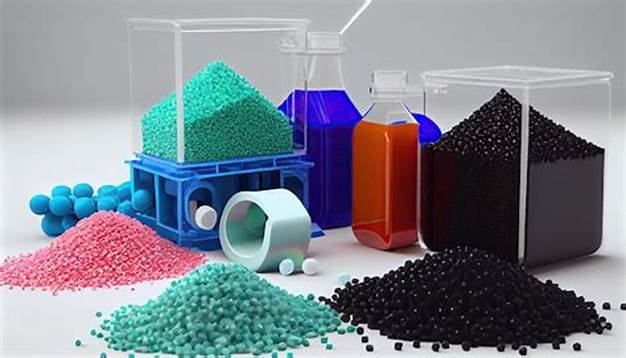
Polymer blends have become integral players in modern manufacturing, and PC/ABS (Polycarbonate/Acrylonitrile Butadiene Styrene) stands out as a versatile thermoplastic with a combination of strengths and considerations.
PC/ABS: Exploring Advantages and Considering Disadvantages
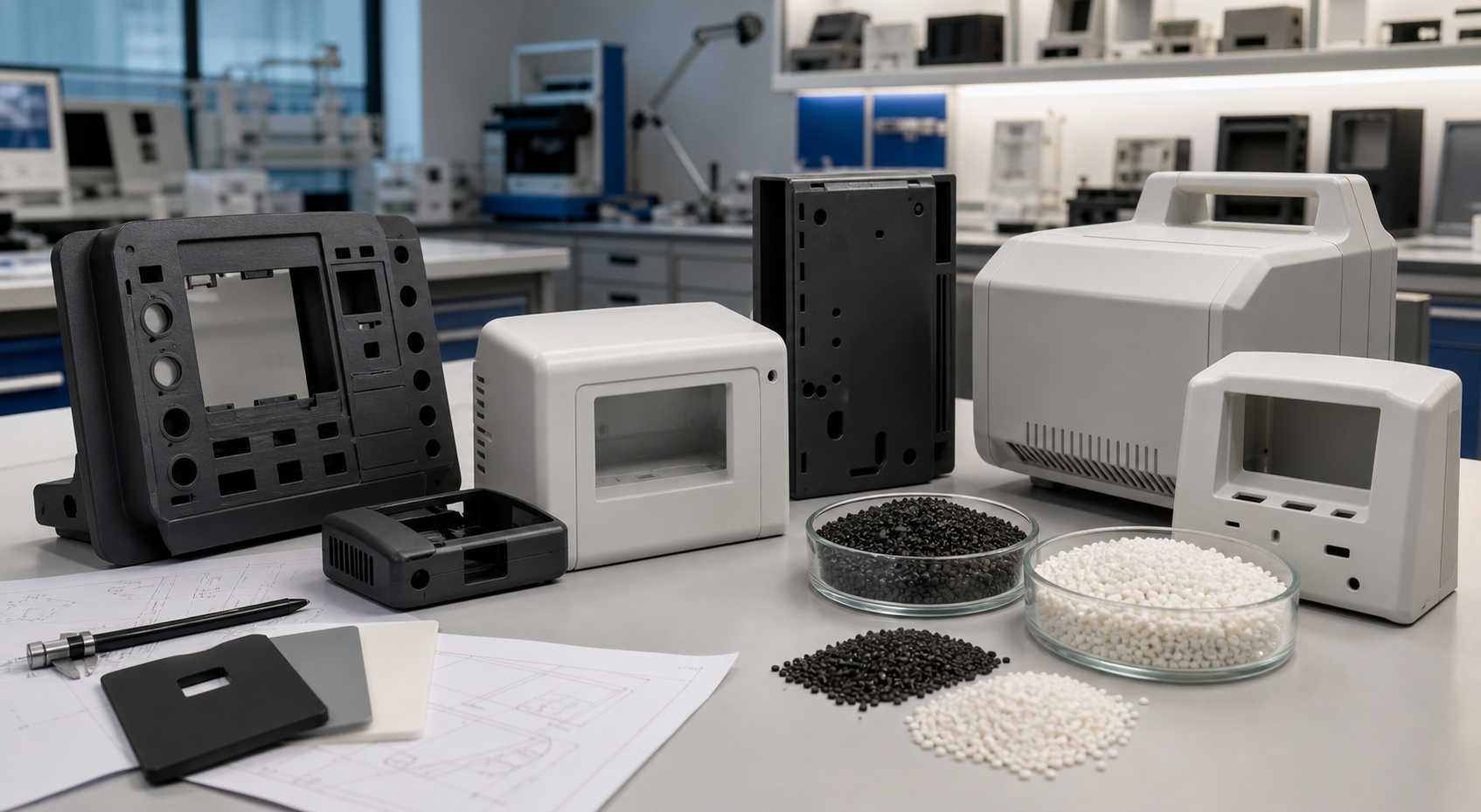
Learn how PC/ABS density and Young's modulus affect housing, panel, and enclosure material selection for B2B projects.
PC/ABS Density and Young's Modulus Guide for Housing and Structural Parts
In the realm of material choices for manufacturing, the decision between PC/ABS (Polycarbonate/Acrylonitrile Butadiene Styrene) and Aluminium often emerges as a critical consideration. Each material brings its own set of characteristics and advantages to the table, catering to different needs and industries.
pc abs vs aluminium
SEND MESSAGE