
PCR Engineering Plastics: Recycled Resin Options for Industrial Parts
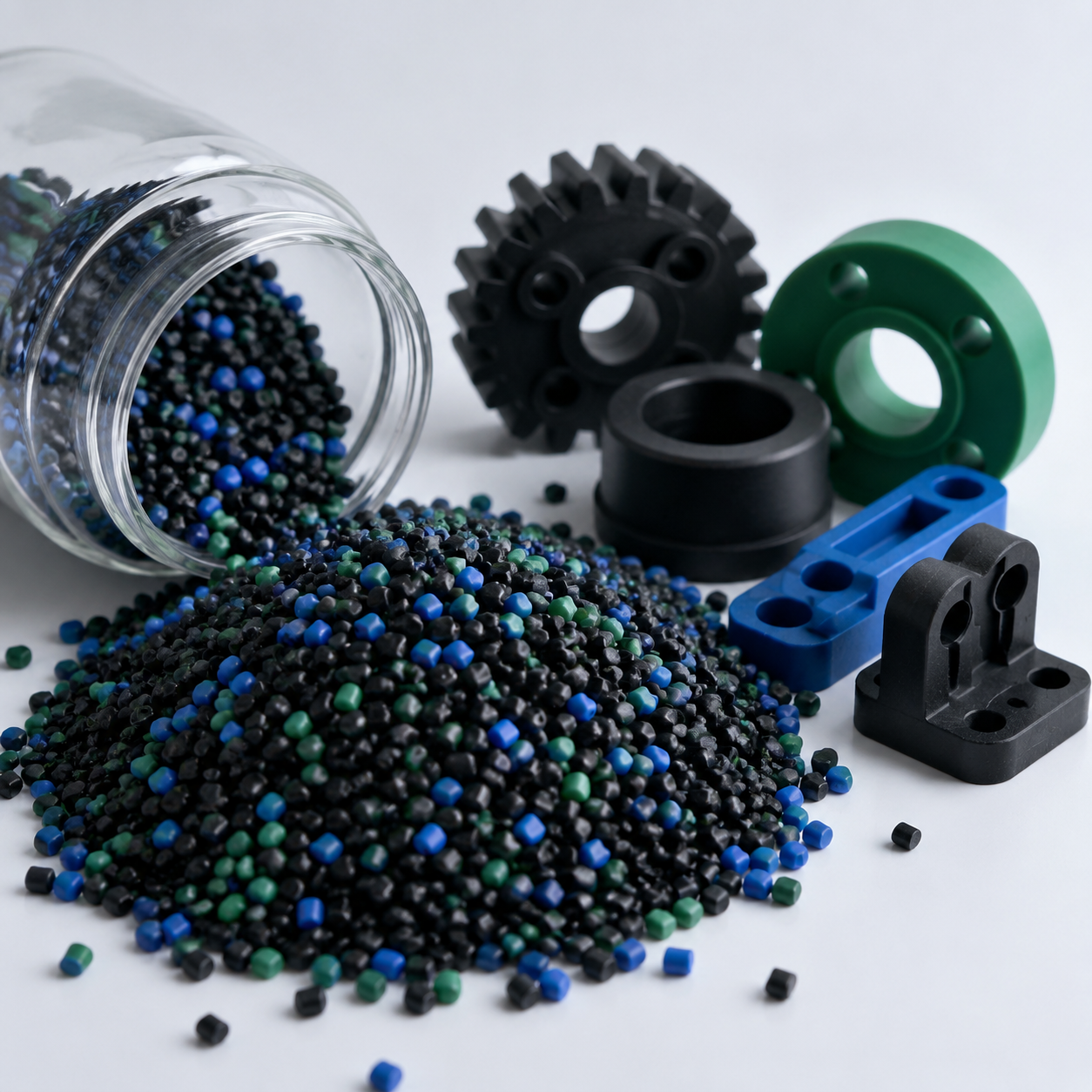
PCR Engineering Plastics: Recycled Resin Options for Industrial Parts
PCR engineering plastics refers to engineering resin grades that include post-consumer recycled content or are positioned as more sustainability-oriented material options. In sourcing conversations, common related searches include recycled engineering plastics, PCR material, and recycled resin.
Interest in PCR materials is increasing because buyers want to reduce environmental impact without losing too much performance, supply stability, or processing reliability. In practice, the right approach depends on the part function, appearance target, certification requirement, and consistency expectations.
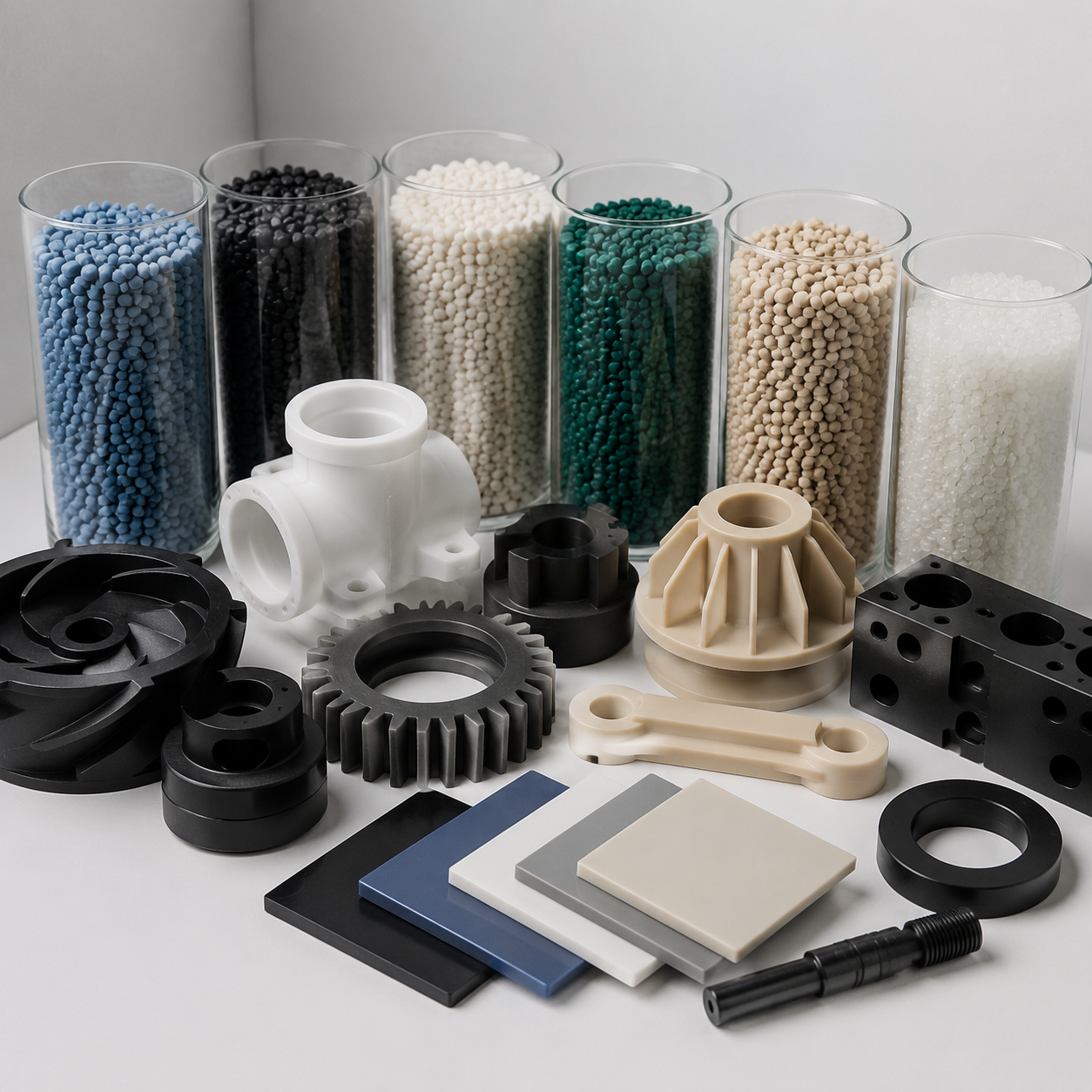
Where PCR Engineering Plastics Fit Best
| Project Type | PCR Resin Relevance |
|---|---|
| Appearance-sensitive non-structural parts | Often the first area considered for PCR adoption |
| Selected housings and covers | Possible when mechanical targets remain achievable |
| Brand sustainability programs | Supports ESG or recycled-content sourcing goals |
| Performance-critical structural parts | Usually needs stricter validation before switching |
Key Evaluation Questions
- How stable is batch-to-batch quality?
- What recycled-content level is being claimed?
- Does the resin still meet dimensional, mechanical, and processing targets?
- Will color, surface finish, or odor matter in the final application?
- What documentation is available for traceability and validation?
Before changing material strategy, it helps to compare the standard engineering plastic pellets guide, engineering resin supplier guide, and plastic resin pellets supplier guide so the recycled option is judged against a realistic baseline.
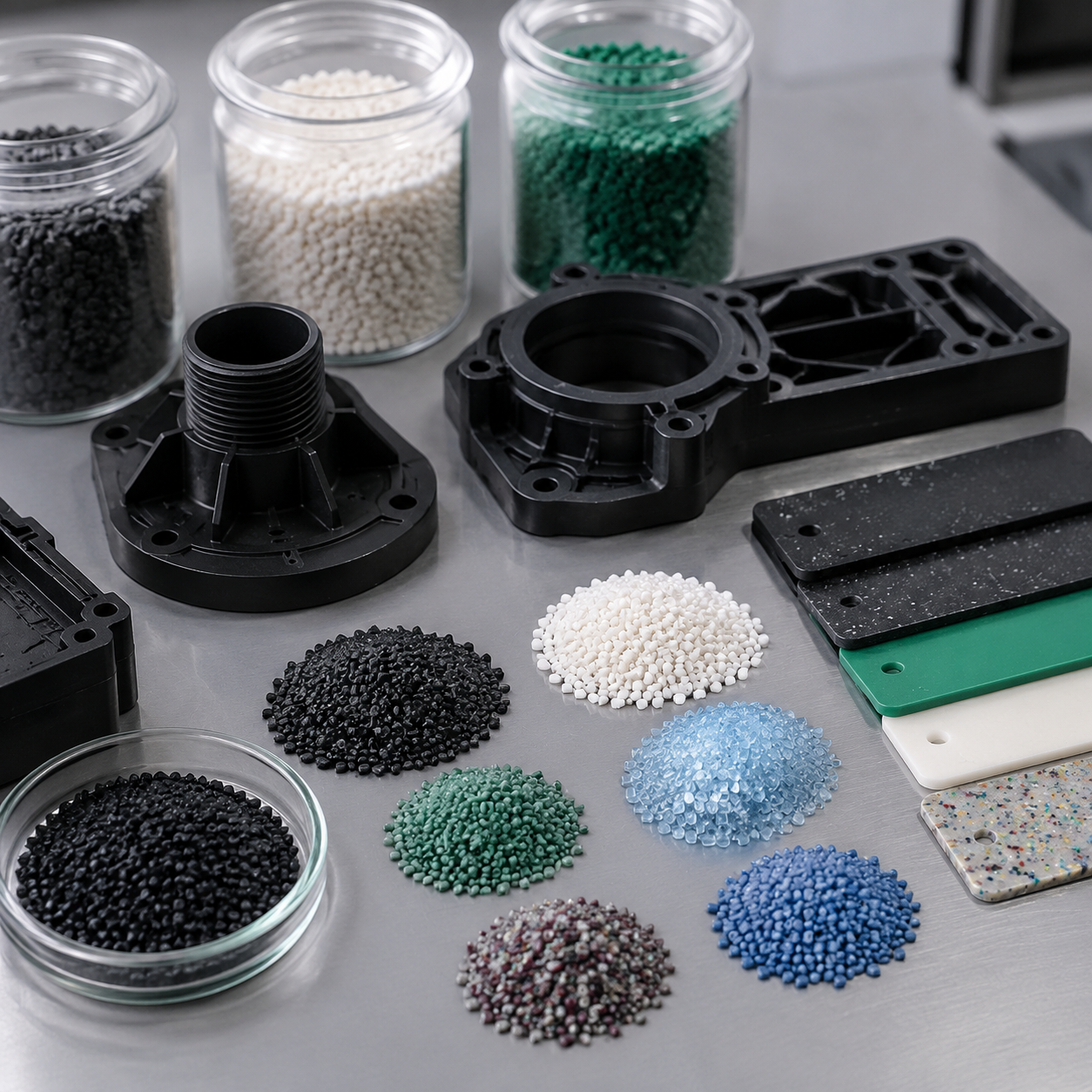
How Manufacturers Usually Approach PCR Resin Projects
The practical route is to define which part can accept recycled content, then validate resin consistency, molding behavior, and final performance step by step. In some cases, PCR material is a good fit for selected housings and non-critical parts. In other cases, virgin engineering resin remains the safer choice.
For baseline comparison, WanHan teams often benchmark against PA6 compounds, PA66 compounds, and PBT material families before suggesting where recycled-content programs can fit responsibly.
Why Choose WanHan for Engineering Plastic Projects?
Since 2005, WanHan has focused on independent R&D, production, and global sales of functional engineering plastics for more sustainable industrial applications. Certified to ISO 9001, ISO 14001, ISO 45001, and IATF 16949, we operate with complete in-house testing equipment and strict quality control throughout development and production. Our materials are exported to more than 30 countries and are widely used in automotive, electronics, home appliances, and industrial applications that require higher-performance polymer solutions.
- Application-based material selection support for OEM, injection molding, and product development teams.
- Custom compounding capability for glass fiber, flame-retardant, carbon fiber, mineral-filled, impact-modified, anti-UV, and color-customized grades.
- Full quality control with in-house testing equipment and certified systems for more stable repeat orders and production consistency.
- Free sample support, technical data sheets, and processing guidance to shorten validation time before mass production.
- Fast quotation response, export-ready packaging, and practical support for long-term B2B supply projects.
If you are selecting a resin for a new project or replacing an existing grade, WanHan can help with grade matching, sample preparation, and custom compound evaluation. You can send your target application, part drawing, annual quantity, or required properties through WanHan's inquiry page to get a faster quotation and material recommendation. You can also review top-sale engineering plastic grades for faster project matching.
For PCR-oriented projects, WanHan can help screen the part type, performance risk, and sourcing requirement first, then recommend whether a recycled-content route is practical or whether a conventional engineering resin remains the better fit.
Frequently Asked Questions
Q: What are PCR engineering plastics?
A: PCR engineering plastics are engineering resin materials that include post-consumer recycled content or are positioned as recycled-content engineering options.
Q: Where are recycled engineering plastics commonly used?
A: They are often considered for housings, covers, and selected industrial parts where sustainability goals are important and performance targets remain achievable.
Q: Can PCR material replace virgin engineering resin?
A: Sometimes, but only after checking consistency, processing behavior, dimensional requirements, and final application performance.
Q: What should buyers verify before using recycled resin?
A: Buyers should verify recycled-content level, batch consistency, documentation, molding behavior, and whether the part can tolerate the material change.
Q: Can WanHan help evaluate PCR engineering plastics?
A: Yes. WanHan can help compare recycled-content resin options with conventional engineering plastics based on application risk and performance requirements.
Low-Moisture Nylon Materials: Why PA12 and PA11 Are Chosen
ABS Injection Molding: Material Benefits, Processing, and Design Guide
Related Article



