
Engineering Resin Supplier Guide: Materials, Support, and Quality
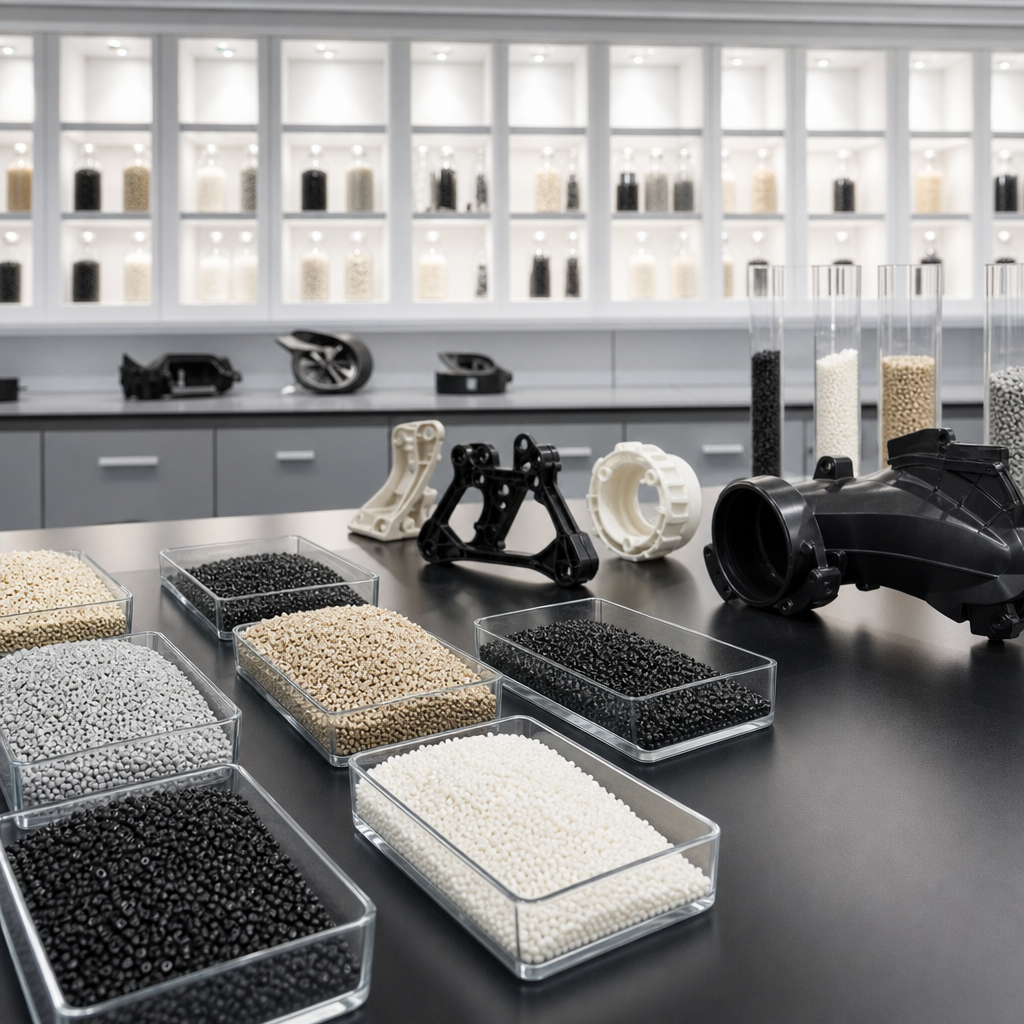
Engineering Resin Supplier Guide: Materials, Support, and Quality
An engineering resin supplier should do more than ship pellets. In practice, projects often require grade matching, technical data, sample support, stable compounding, export handling, and application advice. That is especially true for PA6, PA66, PA12, PBT, PC, PC-ABS, PPS, reinforced grades, and flame-retardant materials.
The best supplier fit depends on whether the project is focused on injection molding, extrusion, electrical use, automotive use, structural parts, or application-specific modifications.
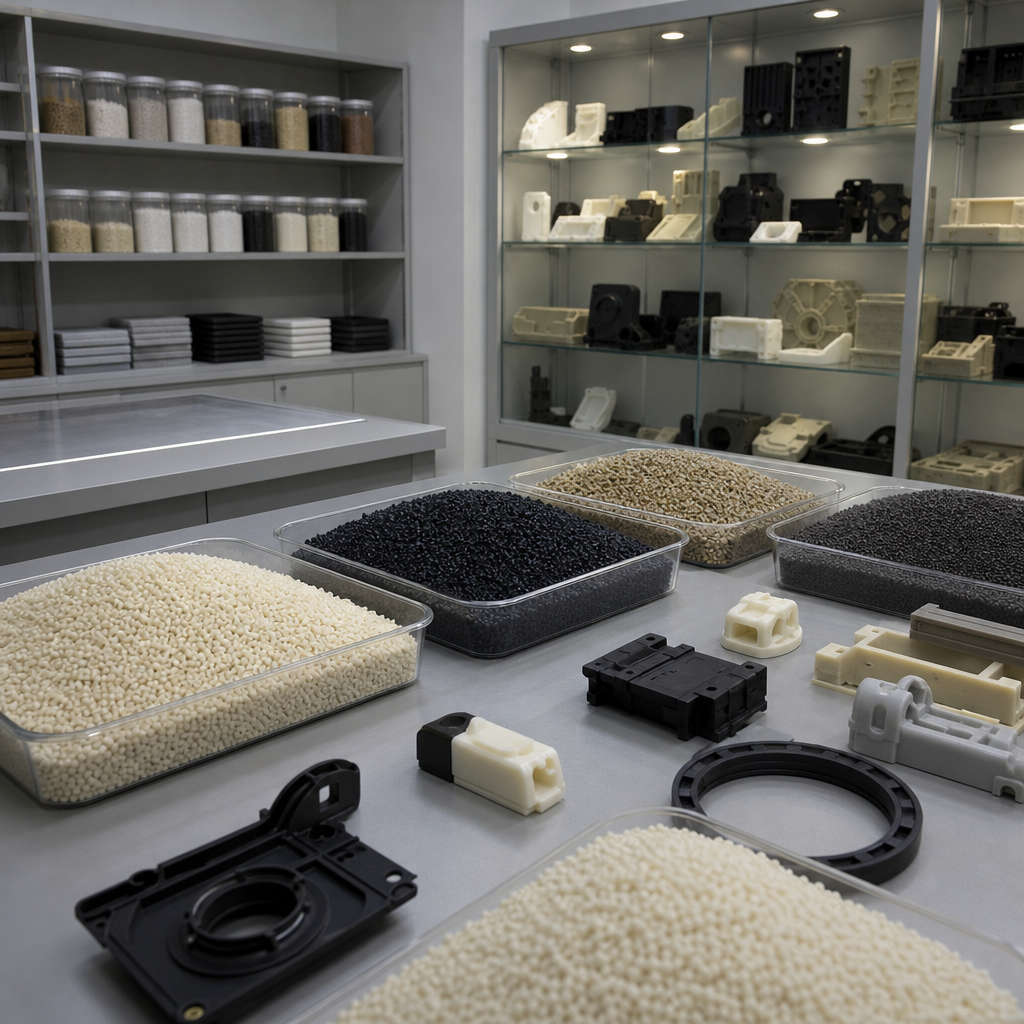
What a Reliable Engineering Resin Supplier Should Provide
- Material recommendation based on performance targets
- Stable pellet quality and lot consistency
- Technical data sheets and processing guidance
- Sample support for molding validation
- Options for reinforced, flame-retardant, or customized compounds
- Reliable export packing and shipment support
Common Resin Families to Compare
| Resin | Typical Use |
|---|---|
| PA6 | Balanced engineering parts and reinforced grades |
| PA66 | Higher heat and connector-related uses |
| PBT | Electrical housings and precision molded parts |
| PC and PC-ABS | Impact-resistant housings and visible parts |
| PPS | High-heat and chemical-demand applications |
Useful reference pages include the engineering plastic pellets overview, nylon injection molding guide, and PPS material guide.
Prepare a Complete Resin Inquiry
A useful inquiry connects the material specification with the intended order. Send the current grade or target properties, part drawing or sample, molding method, color and finish, service conditions, estimated order quantity and delivery destination. Identify mandatory requirements separately from preferences so a proposed alternative can be evaluated fairly.
| Inquiry item | What to confirm |
|---|---|
| Material identity | Exact grade, polymer, reinforcement, color and whether the request concerns an existing grade or a new formulation. |
| Application requirements | Part geometry, processing method, service environment and required test methods or customer approvals. |
| Sample evaluation | Sample quantity, identification, trial conditions, acceptance criteria and the record needed before a production order. |
| Quotation basis | Order quantity, currency, delivery term, destination, packing and any separately agreed sampling or development charges. |
| Production delivery | Confirmed lead time, grade and color identification, required documents and the agreed approach to changes after sample approval. |
Compare Quotations on the Same Specification
Price comparisons are meaningful only when grade, reinforcement, color, required evidence, packing and delivery terms are comparable. A similar polymer name or a single data-sheet value does not establish equivalence. Record which requirements the supplier has confirmed and which still require sample testing.
Confirm MOQ, sample charges and lead time for the exact project. Do not assume a general catalogue statement applies to every grade, color or destination.
Link Sample Approval to the Purchase Order
Record the approved sample identity, grade, color, revision and trial results. Before placing the production order, agree how the supplied material will be identified and which documents accompany it. For a proposed replacement grade, validate the relevant part requirements before treating it as interchangeable.
Use the supplier qualification checklist for supplier approval, the batch quality guide for release documents, and the custom compound guide for formulation development.
Key Evaluation Points
- Can the supplier recommend a grade for your exact application?
- Are technical data sheets and processing support available?
- Can they supply samples for trial molding?
- Do they support reinforced or flame-retardant compounds?
- Can they maintain stable quality during repeat orders?
Why Choose WanHan for Engineering Plastic Projects?
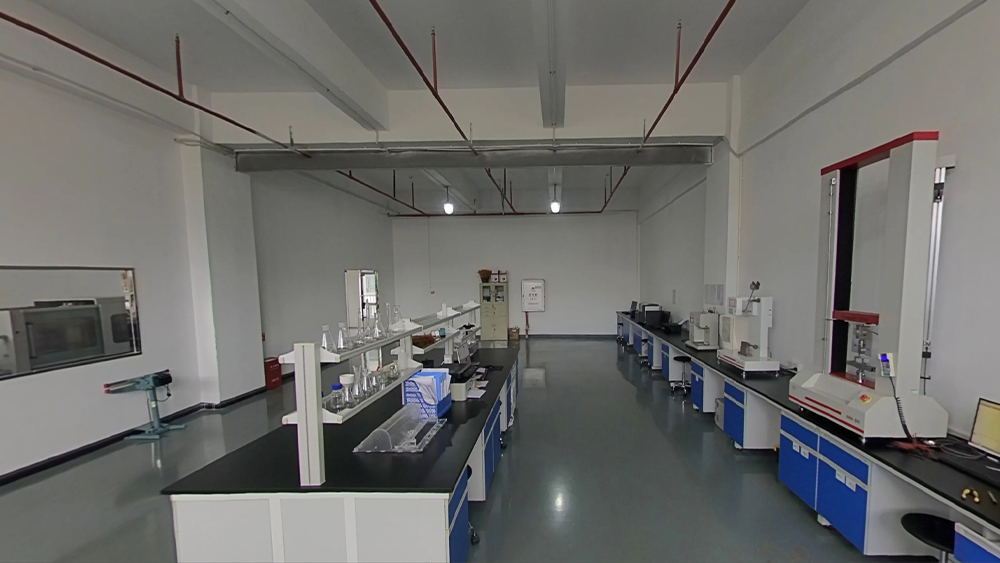
Since 2005, WanHan has focused on independent R&D, production, and global sales of functional engineering plastics for more sustainable industrial applications. Certified to ISO 9001, ISO 14001, ISO 45001, and IATF 16949, we operate with complete in-house testing equipment and strict quality control throughout development and production. Our materials are exported to more than 30 countries and are widely used in automotive, electronics, home appliances, and industrial applications that require higher-performance polymer solutions.
- Application-based material selection support for OEM, injection molding, and product development teams.
- Custom compounding capability for glass fiber, flame-retardant, carbon fiber, mineral-filled, impact-modified, anti-UV, and color-customized grades.
- Full quality control with in-house testing equipment and certified systems for more stable repeat orders and production consistency.
- Sample arrangements, technical data sheets, and processing guidance to shorten validation time before mass production.
- Fast quotation response, export-ready packaging, and practical support for long-term production supply programs.
If you are selecting a resin for a new project or replacing an existing grade, WanHan can help with grade matching, sample preparation, and custom compound evaluation. You can send your target application, part drawing, annual quantity, or required properties through WanHan's inquiry page to get a faster quotation and material recommendation. You can also review top-sale engineering plastic grades for faster project matching.
Common project requirements include PA6, PA66, PBT, PC, and PPS families for OEM and custom compound programs.
Frequently Asked Questions
Q: What should I include in an engineering resin inquiry?
A: Send the current grade or target properties, part drawing or sample, processing method, color, service conditions, estimated order quantity and destination. Identify mandatory tests or approvals separately from preferences.
Q: How can I compare resin quotations fairly?
A: Compare the exact grade, reinforcement, color, required documents, packing and delivery terms. Confirm currency, quantity, lead time and any sample or development charges. A similar polymer name alone does not establish material equivalence.
Q: Does a matching data-sheet value prove that a replacement grade is suitable?
A: No. Review the relevant properties and test conditions, then validate the candidate material in the intended part and process. Confirm any application-specific approvals for the exact grade and color.
Q: What should be recorded after sample approval?
A: Record the approved grade, color, sample identity, revision, molding conditions and acceptance results. Link the production order and required delivery documents to that approved specification.
Q: Are MOQ, sample charges and lead time the same for all grades?
A: No universal terms are stated here. Confirm MOQ, sample arrangements, charges, packing and lead time with WanHan for the exact formulation, color, quantity and destination.
Relay Housing Material: PBT, PA66, PPS, and FR Plastic Selection
Flame-Retardant Nylon Pellets: UL94 Grades, Uses, and Selection
Related Article



