
Plastic Compound Supplier Qualification: A Practical Technical Checklist
Plastic Compound Supplier Qualification: A Practical Technical Checklist
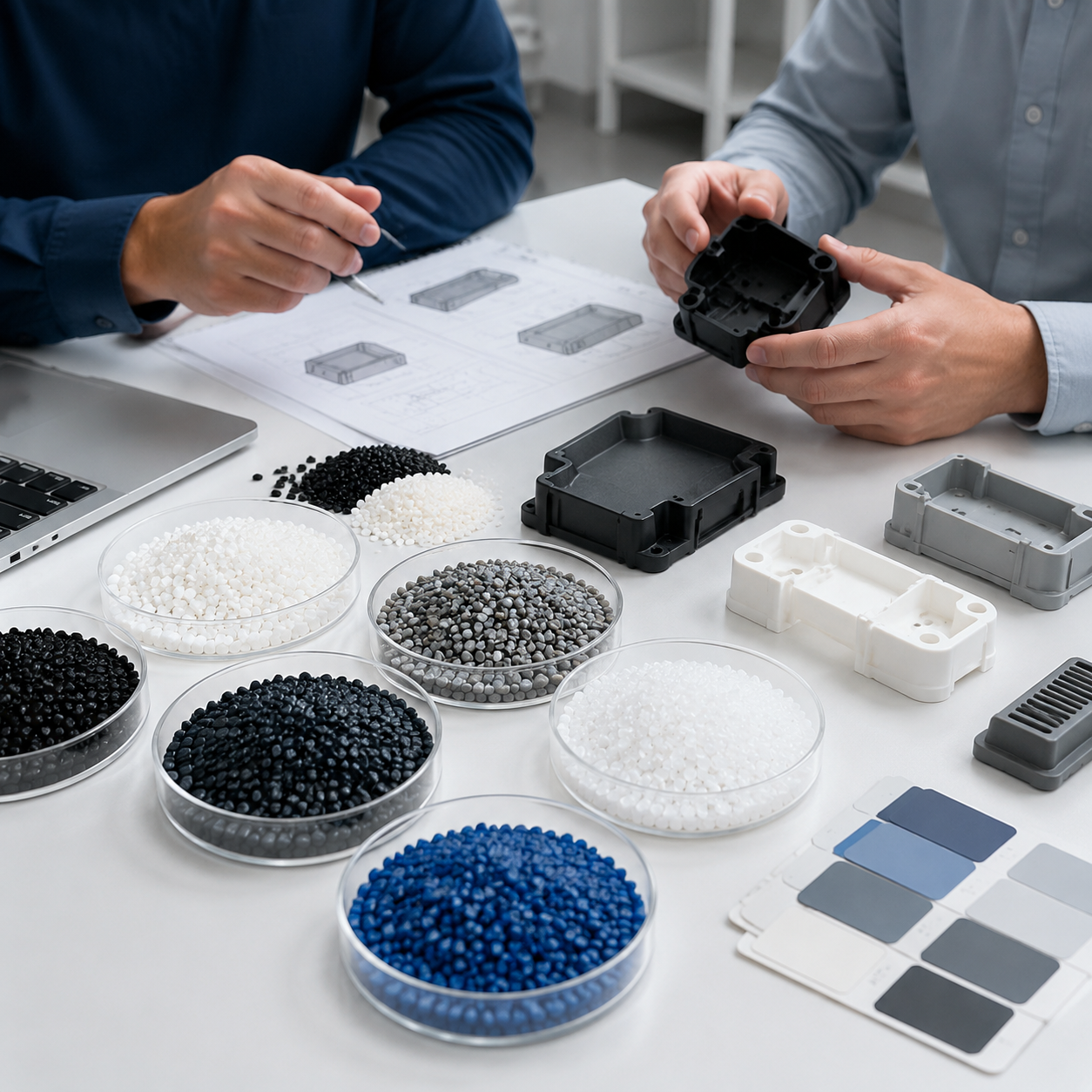
Plastic compound supplier qualification should connect technical capability with production reliability. A supplier may offer a broad resin catalog, but the more important questions are whether the material can be formulated, tested, documented, sampled, and supplied consistently for the actual part.
For engineering plastic programs, qualification is strongest when it starts with the application requirement instead of comparing only a list price or a general polymer name.

Supplier Qualification Checklist
| Qualification Area | Questions to Confirm |
|---|---|
| Material capability | Can the supplier compound PA, PBT, PC/ABS, PPS, PP, PET, and modified grades required by the program? |
| Customization | Can reinforcement, flame retardancy, impact, UV, color, packaging, and formulation be adjusted? |
| Quality system | Are production controls, testing, lot records, and corrective-action processes documented? |
| Validation support | Are samples, data sheets, processing guidance, and technical discussions available? |
| Supply execution | Can the supplier support packaging, export documentation, lead times, and repeat-order consistency? |
Evidence to Request Before Supplier Approval
Use the checklist to request concrete records, rather than a general capability statement. Keep the approved grade, color, test methods and supply terms together in the purchasing specification.
| Evidence | What the buyer should check |
|---|---|
| Grade and sample identity | Match the proposed grade and color to the sample label, technical data sheet and trial record. |
| Inspection agreement | Distinguish typical data from release limits; agree on methods, conditioning, sampling and reporting. |
| Lot traceability | Ask how package labels, production lots, inspection records and shipment documents are linked. |
| Change control | Agree on notification and approval requirements for formulation, raw-material, site or process changes affecting the approved material. |
| Commercial terms | Confirm MOQ, sample arrangements, packing, price basis and lead time for the specific grade and destination. |
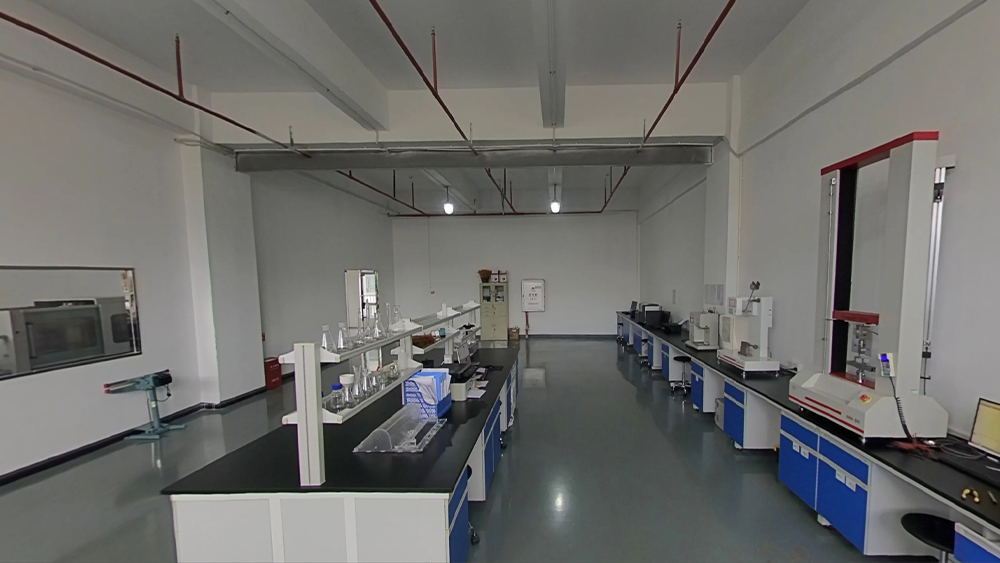
For WanHan’s production workflow and actual factory photographs, see the plastic compound production process.
Questions That Reduce Material-Selection Risk
- Ask which properties are measured in-house and which are supplied as reference data.
- Confirm how the approved sample is linked to a production lot and future replenishment.
- Discuss the processing conditions and part geometry before accepting a data-sheet comparison.
- Check whether the supplier can support an alternative grade if the first route misses validation.
For a structured sourcing review, read the engineering resin supplier guide, engineering plastic pellets guide, and custom engineering plastic compounds guide. For product comparison, see PA6 GF10, PA66 FR V0, and PPS materials.
Why Choose WanHan for Engineering Plastic Projects?
Since 2005, WanHan has developed and manufactured functional engineering plastic compounds for automotive, electronics, home appliance, and industrial applications. Our independent R&D, production, and sales capabilities support practical material selection from initial specification through repeat production.
WanHan’s provided ISO 9001, ISO 14001 and ISO 45001 certificate copies cover the design and production of modified plastic pellets and related management activities. Request current certificates and verify their scope and status for your supplier review. Technical data and product compliance evidence must be checked separately for the exact grade and color.
- Custom compounding for glass fiber, carbon fiber, mineral-filled, flame-retardant, impact-modified, anti-UV, and color-customized grades.
- Material matching support for OEM, injection molding, and product development programs.
- Technical data, samples, processing guidance, and quality documentation for validation.
- Export-ready packaging and responsive support for long-term B2B supply projects.
Share the application, part drawing, annual volume, target properties, or existing grade through WanHan's inquiry page. Our team can recommend a suitable compound and arrange sample evaluation.
WanHan supports qualification with independent R&D, controlled manufacturing, testing, samples, export experience, and material-selection guidance for long-term engineering plastic programs.
Frequently Asked Questions
Q: What is plastic compound supplier qualification?
A: Supplier qualification checks the proposed grade, manufacturing and inspection controls, supporting documents, sample performance and supply terms before a supplier is approved for a specific project.
Q: Which documents should buyers request from a compound supplier?
A: Request the technical data sheet for the exact grade, current management-system certificates and the agreed inspection plan. Confirm whether a batch-specific certificate of analysis and applicable compliance documents can be supplied for the selected grade and color.
Q: How can buyers check batch traceability?
A: Ask the supplier to explain how the product grade, formulation revision, production lot, package label and inspection record are connected. Confirm what information appears on the delivery documents and how a retained sample or complaint can be traced to the relevant lot.
Q: Why are samples important when qualifying a resin supplier?
A: A representative sample lets the buyer evaluate molding behavior and finished-part performance under the intended processing and service conditions. Record the approved grade, color, trial conditions and acceptance criteria so repeat orders can be compared against the same requirements.
Q: Does a management-system certificate replace material validation?
A: No. Management-system certification and grade-specific product approval serve different purposes. Check the certificate scope separately, then validate the proposed material against the actual part requirements and any applicable customer specifications.
UL94 V0 vs V1 vs V2: Flame-Retardant Plastic Guide
Engineering Plastic Pellets Quality Control and Batch Consistency
Related Article



