
Custom Engineering Plastic Compounds: Formulation and Validation Guide
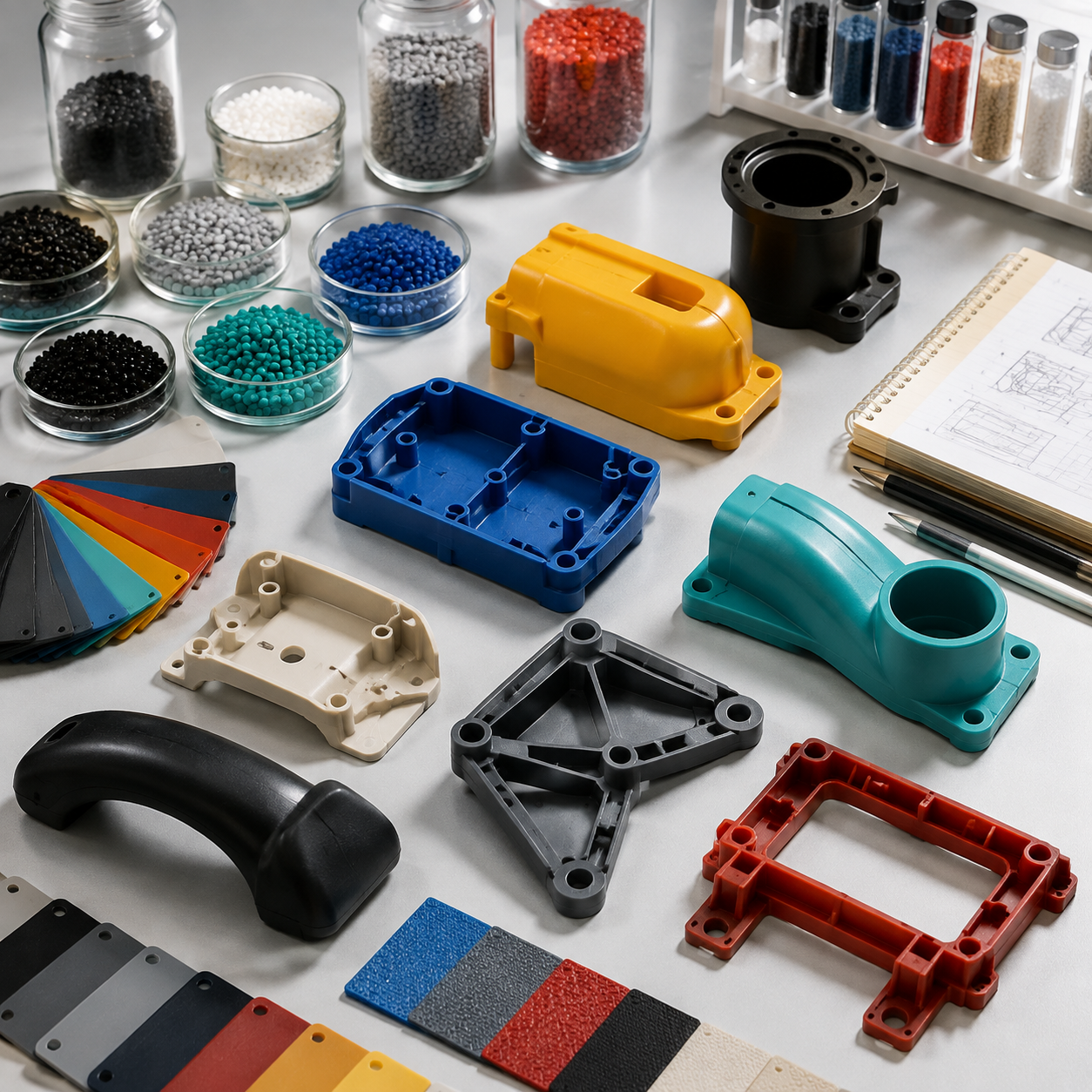
Custom engineering plastic compounds are developed when a standard resin grade does not fully match the part requirement. The adjustment may involve reinforcement, flame performance, impact strength, color, UV resistance, dimensional stability, or processing behavior. In practice, a custom plastic compound should be treated as a controlled material-development project rather than a simple additive change.
The best formulation starts with the finished part, its operating environment, and the production process. That prevents the compound from being optimized for a single laboratory value while missing the wider application need.
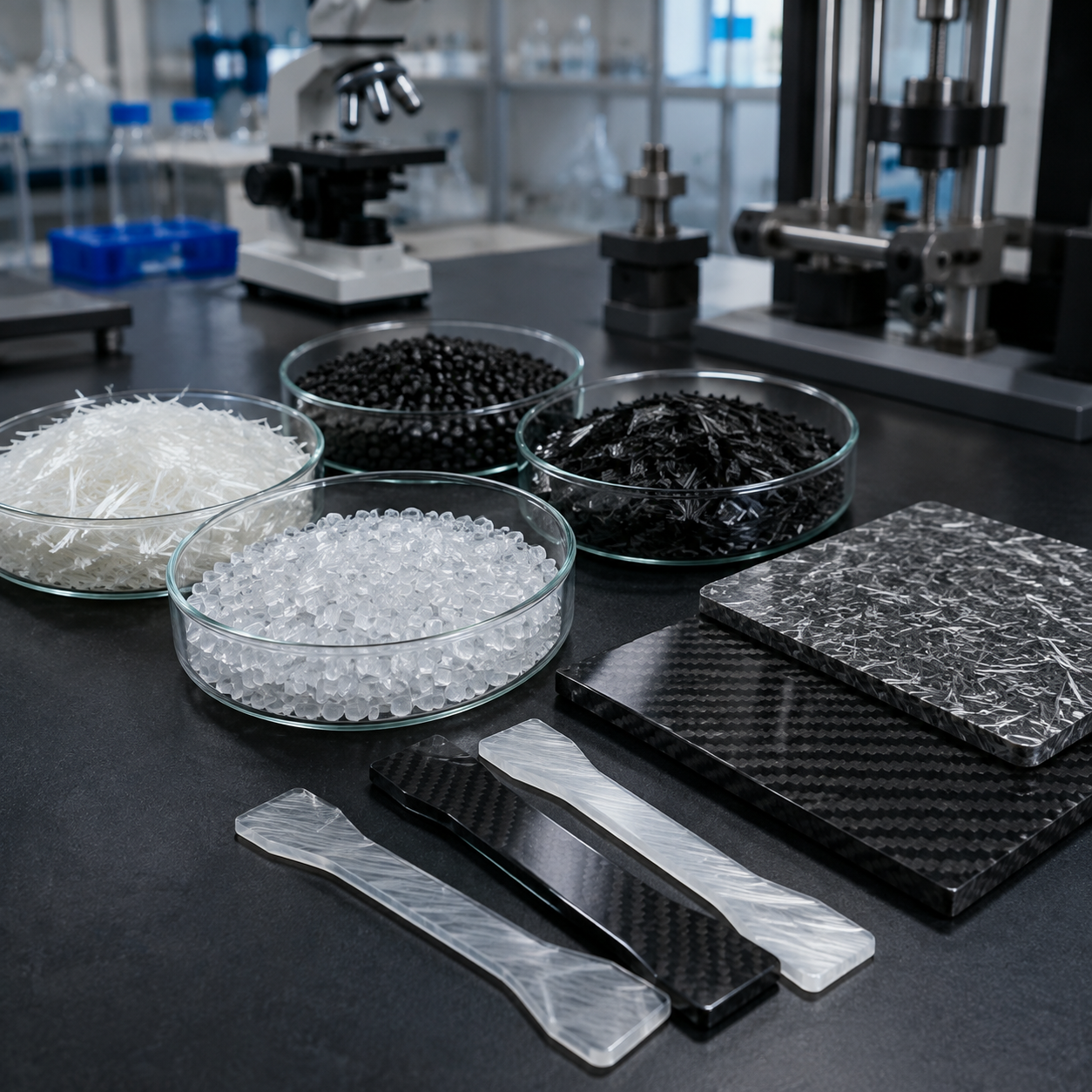
How to Source Custom PA Compounds with Mechanical and Thermal Targets
Start with a measurable material brief, then ask WanHan to shortlist a base resin and modification route. A requirement such as “high-strength nylon for a bracket” is incomplete: we need to know the load, service temperature, moisture condition and allowable deflection before choosing between PA6, PA66, PA11, PA12 or PPA. The useful output of the first review is a candidate grade and a test plan, with any unverified requirements clearly identified.
| Requirement to send | What makes it usable for formulation |
|---|---|
| Strength and stiffness | State the minimum tensile or flexural value, units, test method and temperature. Identify dry-as-molded or conditioned specimens. |
| Impact and durability | Specify notched or unnotched testing, minimum operating temperature, repeated loading and the actual failure mode. |
| Heat exposure | Separate continuous temperature, short peaks and exposure duration. Record the load for an HDT requirement; HDT is not a continuous-use rating. |
| Moisture and fluids | List humidity, immersion, coolant, oil or cleaner, with concentration, temperature and exposure time. |
| Part and process | Provide a drawing, wall thickness, inserts, critical tolerances, gate constraints and molding equipment limits. |
| Flame and electrical needs | Identify the required test standard, rating, thickness and color. Add tracking, glow-wire or long-term thermal requirements where applicable. |
| Supply requirements | State trial and annual volumes, destination, target launch date, packaging, required documents and change-notification needs. |
Choose the Modification Around the Failure Mode
For a bracket that bends under load, glass or carbon fiber reinforcement is a candidate route, but weld-line strength, fiber orientation and creep still need testing. For a housing that loses fit in humidity, compare conditioned dimensions and stiffness before changing fiber content. For a cold snap feature, impact modification may be more relevant than maximizing modulus. Heat stabilization, flame retardancy and color matching must be evaluated together because one adjustment can change flow, toughness or surface quality.
Use the PA6 versus PA66 selection guide for the base-resin comparison and the electrical housing guide when flame and insulation requirements drive the brief. These guides help define a shortlist; they do not certify an application.
Sourcing Custom Flame-Retardant Injection-Molding Compounds
Specify the polymer family, flame classification, minimum wall thickness, color and permitted chemistry before requesting an FR formulation. “Halogen-free,” a UL 94 classification and impact strength describe different requirements. Ask for evidence on the exact finished compound, then mold and test the intended geometry. An additive brochure or a report for another polymer is insufficient to approve the supplied grade.
WanHan is a manufacturer in Huizhou, Guangdong, China, developing modified engineering plastics since 2005. Our material-selection and custom-formulation support connects sample evaluation with production requirements. For overseas projects, include the delivery destination and document requirements in the initial brief so sample terms, packaging and shipment arrangements can be quoted for that project. Approval should identify the grade, color, revision, lot traceability and acceptance limits before repeat supply begins.
Common Customization Routes
| Project Need | Possible Compound Route | Validation Focus |
|---|---|---|
| Higher stiffness | Glass fiber, long glass fiber, or carbon fiber reinforcement | Strength, warpage, flow, and fiber orientation |
| Fire performance | Flame-retardant PA, PBT, PC/ABS, or other selected polymer systems | UL target, wall thickness, color, and mechanical balance |
| Appearance and brand color | Color matching with a compatible additive package | Color consistency, surface quality, and weathering |
| Outdoor exposure | Anti-UV or weather-resistant formulation | Color retention, aging, and property retention |
From Project Brief to Production Approval
Use the following checkpoints to agree on the development scope with WanHan. They describe what a buyer and supplier should confirm; the sample plan and schedule depend on the actual project.
| Stage | Information to agree | Record before proceeding |
|---|---|---|
| 1. Requirement review | Part function, environment, drawing, reference grade, processing method, color and mandatory requirements. | A written brief separating required limits from preferred targets. |
| 2. Candidate formulation | Base polymer and modification route; property priorities and trade-offs. | Candidate identification, proposed test plan and sample arrangements. |
| 3. Sample evaluation | Sample grade, color, lot, revision and agreed material tests. | Results with test methods and specimen conditioning, compared with the agreed targets. |
| 4. Molding trial | Representative tooling, drying and molding conditions; dimensional and functional checks. | A trial record linking the material sample to molded-part results and any corrective actions. |
| 5. Production approval | Approved material identity, release criteria, packing, lot labels and change notification. | Written approval and project-specific commercial terms before ordering. |
Prepare a Useful Custom Compound Inquiry
Send your reference material or current failure mode together with the application requirements. State whether the priority is stiffness, impact, dimensional stability, appearance, weathering or another measurable requirement. Include the relevant drawing, sample or test criteria where available.
Request confirmation of sample quantity, development charges, MOQ, packing, price basis and lead time. These are project-specific terms and should be agreed before sample production or a purchase order.
For a view of WanHan’s manufacturing stages, see the factory production workflow. For approval evidence, use the supplier qualification checklist.
What the Validation Process Should Cover
- Confirm the base polymer and the target modification before compounding.
- Check drying, melt temperature, mold temperature, and filling behavior during trials.
- Evaluate mechanical, thermal, electrical, and appearance requirements together.
- Record the approved formulation, color, packaging, and test conditions for repeat orders.
Examples of related material routes include PA6 GF10, PA6 GF30 anti-UV, PA66 FR V0, and FR PBT. The right route depends on the component rather than on filler content alone.
Why Choose WanHan for Engineering Plastic Projects?
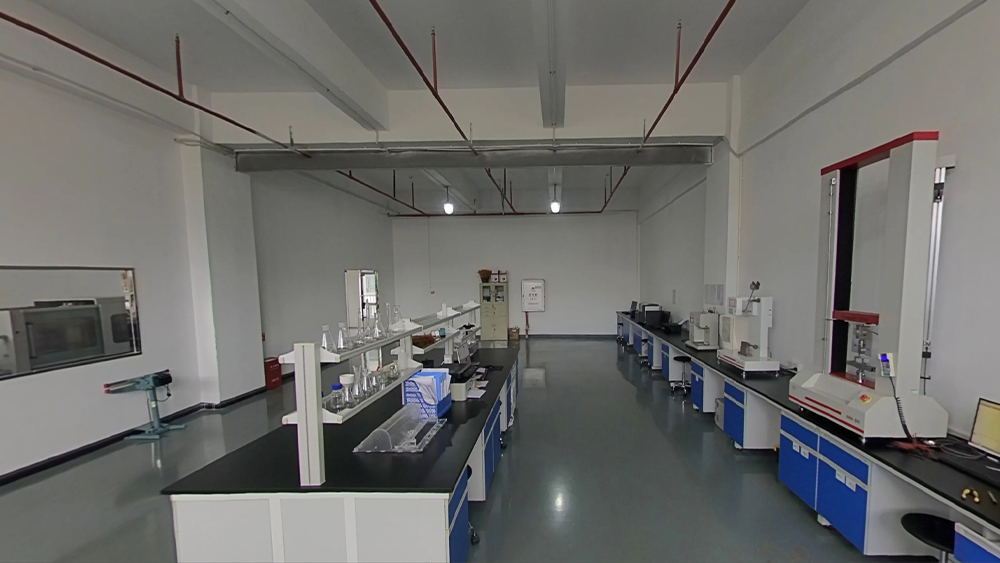
Since 2005, WanHan has developed and manufactured functional engineering plastic compounds for automotive, electronics, home appliance, and industrial applications. Our independent R&D, production, and sales capabilities support practical material selection from initial specification through repeat production.
WanHan’s provided ISO 9001, ISO 14001 and ISO 45001 certificate copies cover the design and production of modified plastic pellets and related management activities. Request current copies and confirm their scope as part of supplier qualification. Management-system certification does not replace validation or compliance documents for the exact grade and color.
- Custom compounding for glass fiber, carbon fiber, mineral-filled, flame-retardant, impact-modified, anti-UV, and color-customized grades.
- Material matching support for OEM, injection molding, and product development programs.
- Technical data, samples, processing guidance, and quality documentation for validation.
- Export-ready packaging and responsive support for repeat production supply projects.
Share the application, part drawing, annual volume, target properties, or existing grade through WanHan's inquiry page. Our team can recommend a suitable compound and arrange sample evaluation.
WanHan can review the part function, target properties, color, processing method, and annual demand before recommending a practical formulation and sample plan.
Frequently Asked Questions
Q: What information is needed to start a custom plastic compound project?
A: Provide the application, part drawing or sample, reference grade, processing method, target properties, service environment, color and required documents. Separate mandatory acceptance limits from preferred targets, and include the expected trial quantity and annual demand.
Q: How should a custom compound sample be approved?
A: Identify the sample grade, color, lot and revision. Agree on test methods and acceptance limits, then evaluate material specimens and representative molded parts. Record trial conditions, results and approval criteria before moving to a production order.
Q: Can a data sheet alone confirm that a custom compound will work in my part?
A: No. A data sheet describes material properties under stated test conditions. It does not by itself confirm the performance of a specific molded part. Check the intended geometry, processing conditions, dimensions and end-use performance through an agreed validation plan.
Q: What should be fixed before repeat production of a custom grade?
A: Record the approved grade and color, the agreed formulation or controlled material revision, test methods, release limits, packing and lot identification. Agree on change-notification requirements and when a material or process change requires new validation.
Q: What are the MOQ and lead time for a custom compound?
A: MOQ, sample quantity, development cost and lead time must be confirmed for the actual formulation, color, testing needs, order quantity and delivery destination. Send the project requirements to WanHan for a project-specific sample and supply proposal.
Flame Retardant PC-ABS: Properties, Uses, and Housing Selection
Glass Fiber Reinforced Nylon Pellets: Grades and Selection Guide
Related Article



