
What is PBT Material: The Complete Guide to Polybutylene Terephthalate
Introduction to PBT Material
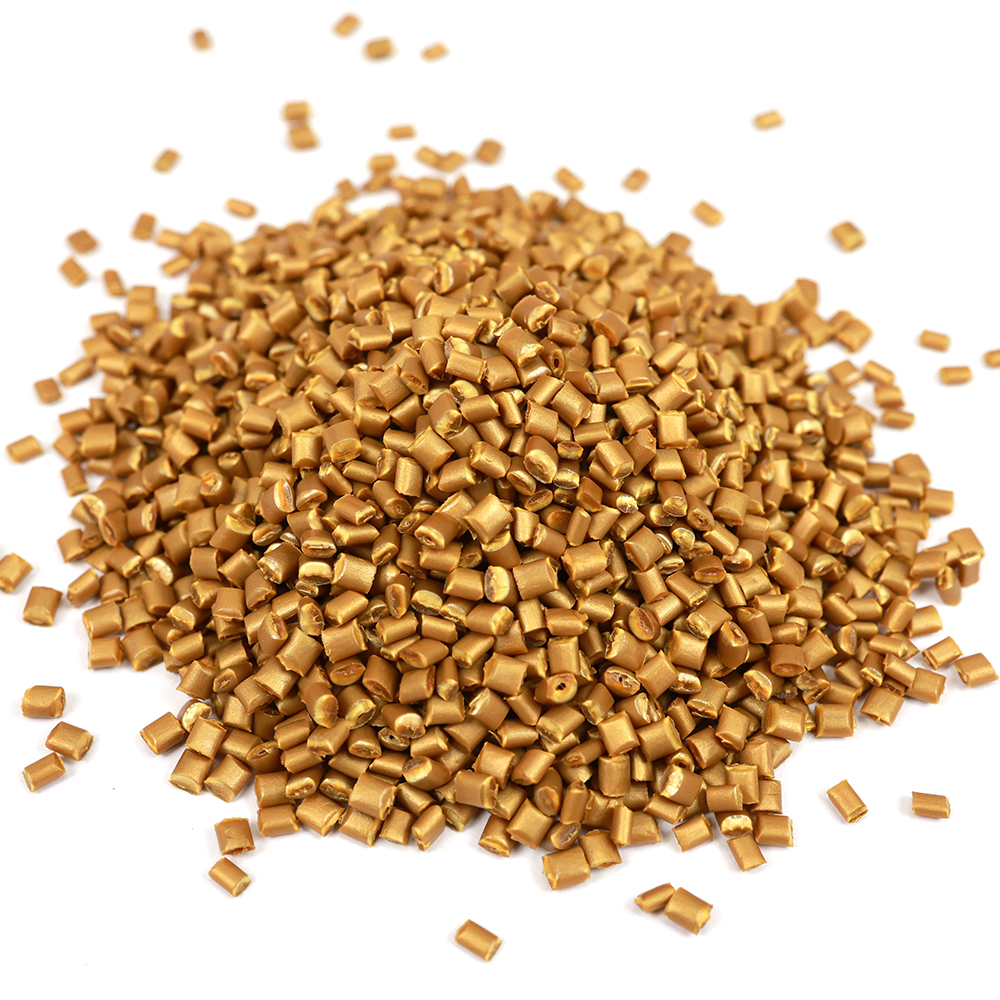
What is PBT material? This fundamental question opens the door to understanding one of the most versatile engineering thermoplastics available today. PBT material, scientifically known as Polybutylene Terephthalate, represents a high-performance thermoplastic polymer that has gained significant prominence across multiple industries due to its exceptional mechanical and electrical properties -1.
As a leading authority in advanced plastics technology, Wanhan Plastic specializes in providing comprehensive PBT plastic solutions tailored to meet diverse industrial requirements. This complete guide explores the fundamental characteristics, applications, and advantages of PBT material, offering valuable insights for engineers, designers, and manufacturers seeking reliable material solutions.
Understanding PBT Material Composition
Chemical Structure and Manufacturing
PBT material belongs to the polyester family of thermoplastics, created through a chemical reaction between terephthalic acid and 1,4-butanediol -1-3. This polymerization process results in a linear, high-molecular-weight structure that delivers the unique properties characterizing PBT plastic.
The manufacturing process involves several critical stages:
-
Esterification of raw materials including butanediol and terephthalic acid
-
Pre-polymerization to control molecular structure and reduce toxicity
-
Final polymerization creating the chain-like polymer structures
-
Compounding with additives and reinforcements for enhanced properties
This sophisticated manufacturing process ensures PBT material achieves the consistent quality and performance characteristics demanded by today's industries.
Key Properties and Characteristics of PBT Material
Mechanical Properties
PBT plastic demonstrates outstanding mechanical capabilities that make it ideal for demanding applications:
-
High Strength and Stiffness: Excellent mechanical strength combining stiffness with toughness, ideal for components requiring durability under mechanical stress -1
-
Dimensional Stability: Maintains shape and size across wide temperature variations with low moisture absorption -1
-
Good Fatigue Resistance: Withstands repeated loading cycles without significant degradation
-
Low Creep Tendency: Minimal deformation under long-term mechanical stress -8
Electrical Properties
The electrical characteristics of PBT material make it particularly valuable for electronic applications:
-
Excellent Electrical Insulation: Superior dielectric strength and insulating properties -3
-
Stable Dielectric Constant: Consistent performance across various environmental conditions
-
High Arc Resistance: Withstands electrical discharge and tracking
Thermal Properties
PBT plastic performs reliably across a broad temperature range:
-
Heat Deflection Temperature: Withstands temperatures up to 150°C (302°F) -6
-
Melting Point: Typically between 200-225°C -3
-
Thermal Stability: Maintains properties at both elevated and reduced temperatures
Chemical Resistance
One of the standout features of PBT material is its exceptional chemical compatibility:
-
Resistance to Oils and Solvents: Withstands exposure to automotive fluids, cleaning agents, and industrial chemicals -1
-
Hydrolysis Resistance: Good stability in moist environments
-
UV and Weather Resistance: Suitable for outdoor applications with proper stabilization -3
PBT Material Applications Across Industries
Electrical and Electronics
The electrical industry extensively utilizes PBT plastic for numerous critical components:
-
Connectors and Sockets: Excellent electrical insulation and dimensional stability -3
-
Circuit Breakers and Switches: High dielectric strength and heat resistance
-
Insulating Housings: Protection for sensitive electronic components -8
-
Motor Components: Commutators and brush holders
Automotive Industry
PBT material has become indispensable in modern automotive manufacturing:
-
Sensor Housings: Withstands under-hood temperatures and chemical exposure -1
-
Connector Systems: Reliable performance in electrical distribution systems
-
Headlamp Bezels: Heat resistance for proximity to high-temperature light sources
-
Fuel System Components: Resistance to gasoline and automotive fluids -6
Consumer Goods and Appliances
The versatility of PBT plastic extends to numerous consumer applications:
-
Power Tool Housings: Durability and electrical safety -1
-
Appliance Components: Heat resistance and structural integrity
-
Kitchen Equipment: Food contact compliance and cleanability
-
Personal Care Devices: Aesthetic quality and durability
Industrial Applications
PBT material serves critical functions in industrial settings:
-
Pump Components: Chemical resistance and dimensional stability -6
-
Valve Parts: Wear resistance and mechanical strength
-
Bearing Cages: Low friction and excellent wear properties
-
Gears and Mechanisms: Strength, stiffness, and fatigue resistance
PBT Material Advantages and Benefits
Manufacturing Advantages
PBT plastic offers significant benefits in production environments:
-
Excellent Moldability: Easy processing in injection molding applications -1
-
Fast Crystallization: Shorter cycle times in molding operations
-
Good Surface Finish: High-quality appearance without extensive post-processing
-
Color Consistency: Maintains vibrant colors throughout product life
Performance Benefits
The operational advantages of PBT material include:
-
Durability: Long service life even in demanding conditions -1
-
Reliability: Consistent performance across diverse environments
-
Low Maintenance: Minimal degradation over time reduces servicing needs
-
Weight Reduction: Replaces metals in many applications for lightweighting
Economic Advantages
PBT plastic delivers compelling economic benefits:
-
Cost-Effectiveness: Competitive pricing compared to other engineering plastics
-
Processing Efficiency: Reduced energy consumption during manufacturing
-
Longevity: Extended product life reduces replacement frequency
-
Design Flexibility: Consolidates multiple parts into single components
PBT Material Modifications and Enhancements
Reinforced PBT Grades
PBT material is commonly enhanced with various reinforcements:
-
Glass-Fiber Reinforced: Significantly improved strength, stiffness, and heat deflection temperature
-
Mineral-Filled: Enhanced dimensional stability and reduced warpage
-
Flame-Retardant: Meeting stringent safety requirements for electrical applications
-
Impact-Modified: Improved toughness for applications requiring higher impact resistance
Specialty Formulations
Advanced PBT plastic formulations address specific application needs:
-
UV-Stabilized: For outdoor applications requiring extended weather resistance
-
Hydrolysis-Resistant: Enhanced performance in high-humidity environments
-
Food-Grade Compliant: Suitable for food contact applications
-
Wear-Resistant: Improved friction properties for moving components
Processing and Manufacturing with PBT Material
Injection Molding
PBT plastic is primarily processed through injection molding:
-
Drying Requirements: Typically 2-4 hours at 120°C to reduce moisture content
-
Melt Temperature: 220-250°C depending on specific grade and application
-
Mold Temperature: 60-80°C for optimal crystallinity and surface finish
-
Screw Design: Standard general-purpose screws with compression ratio 2.0-2.5
Post-Processing Operations
PBT material accommodates various secondary operations:
-
Machining: Good machinability for drilling, milling, and turning operations
-
Joining: Suitable for ultrasonic welding, vibration welding, and adhesive bonding
-
Decoration: Amenable to painting, printing, and laser marking
-
Assembly: Designed with snap-fits and living hinges where appropriate
Quality Assurance and Standards Compliance
Industry Standards
PBT plastic complies with numerous international standards:
-
UL Recognition: Various grades recognized under UL 746C
-
FDA Compliance: Specific grades suitable for food contact applications
-
Automotive Specifications: Meeting industry-specific requirements
-
International Standards: ISO, IEC, and other global specifications
Testing and Validation
PBT material undergoes rigorous testing to ensure consistent quality:
-
Mechanical Testing: Tensile strength, flexural modulus, impact resistance
-
Thermal Analysis: HDT, Vicat softening, thermal aging performance
-
Electrical Testing: Dielectric strength, comparative tracking index
-
Chemical Testing: Resistance to fluids, environmental stress cracking
Why Choose Wanhan Plastic for PBT Material Solutions?
Technical Expertise
Wanhan Plastic brings extensive experience in PBT material technology:
-
Material Selection Guidance: Expert assistance choosing the optimal PBT grade
-
Application Development Support: Technical partnership from concept to production
-
Problem-Solving Capability: Addressing challenging application requirements
-
Continuous Innovation: Developing new formulations for emerging needs
Quality Commitment
Our dedication to quality ensures superior PBT plastic solutions:
-
Consistent Material Properties: Batch-to-batch consistency for reliable processing
-
Comprehensive Testing: Rigorous quality control throughout manufacturing
-
Technical Documentation: Complete data sheets and processing guidelines
-
Traceability: Full material history and compliance documentation
Customer Support
Wanhan Plastic provides comprehensive support services:
-
Technical Consulting: Application analysis and material recommendations
-
Processing Optimization: Assistance with manufacturing parameters
-
Troubleshooting Support: Addressing production challenges
-
Supply Chain Reliability: Consistent material availability and delivery
Frequently Asked Questions About PBT Material
Q1: What is PBT material commonly used for?
A: PBT material is widely used in electrical components, automotive parts, consumer goods, and industrial applications due to its excellent electrical properties, chemical resistance, and mechanical strength -1-3.
Q2: How does PBT compare to other engineering plastics?
A: PBT plastic offers a balanced combination of properties including good electrical insulation, chemical resistance, and mechanical strength, positioning it between commodity plastics and high-performance engineering plastics in terms of both performance and cost.
Q3: Is PBT material suitable for high-temperature applications?
A: Yes, PBT material typically withstands continuous use at temperatures up to 150°C, with heat deflection temperatures potentially higher in reinforced grades, making it suitable for many automotive and electrical applications -6.
Q4: Can PBT be used for food contact applications?
A: Specific food-grade PBT plastic formulations are available that comply with FDA and other international food contact regulations, particularly in small appliances and food processing equipment.
Q5: How does PBT material perform in wet environments?
A: PBT material exhibits low moisture absorption and good hydrolysis resistance, maintaining its properties in humid environments better than many other engineering plastics -8.
Q6: Is PBT material recyclable?
A: Yes, PBT plastic is technically recyclable, though specialized recycling infrastructure for engineering plastics is less common than for commodity polymers.
Q7: What are the limitations of PBT material?
A: While PBT material offers excellent overall properties, it may be limited in applications requiring very high continuous use temperatures above 150°C or exposure to strong acids and bases.
Q8: Does Wanhan Plastic provide custom PBT formulations?
A: Yes, Wanhan Plastic offers custom PBT material formulations including specific reinforcement levels, colors, and additive packages to meet unique application requirements.
Conclusion: The Future of PBT Material
PBT material continues to demonstrate its value as a versatile, high-performance engineering thermoplastic with an exceptional balance of properties. Its unique combination of mechanical strength, electrical insulation, chemical resistance, and processing versatility ensures its ongoing relevance across multiple industries including electronics, automotive, consumer goods, and industrial applications.
As technology advances and application requirements evolve, PBT plastic continues to adapt through enhanced formulations and processing innovations. The development of new reinforcement technologies, additive packages, and alloy systems further expands the potential applications for this remarkable material.
For businesses seeking reliable, high-performance material solutions, PBT material represents an optimal choice that delivers consistent performance, manufacturing efficiency, and long-term value. At Wanhan Plastic, our commitment to PBT plastic innovation and customer support ensures that our clients receive optimal material solutions for their specific application requirements.
Whether you're developing next-generation electronic devices, advanced automotive systems, or innovative consumer products, PBT material offers the property balance and reliability needed for success in today's competitive markets.