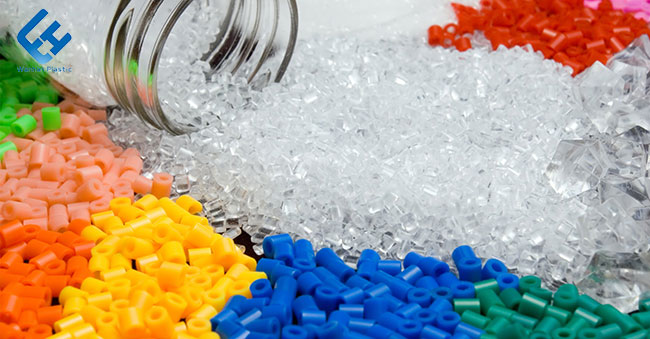
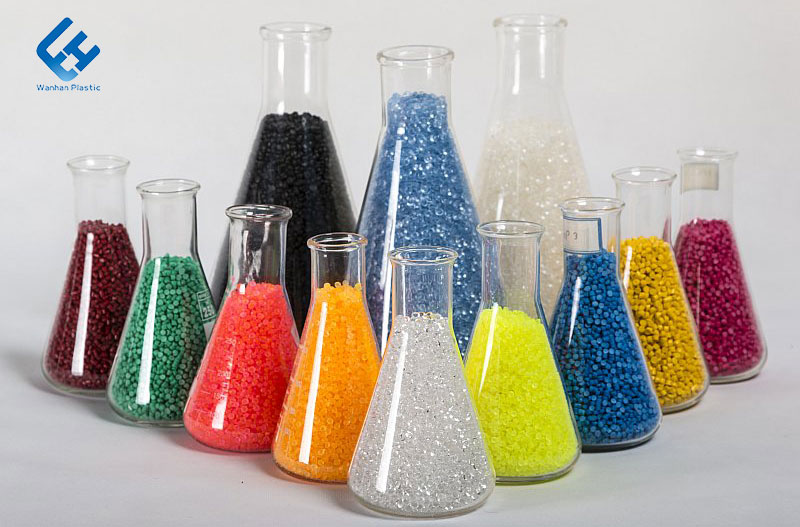
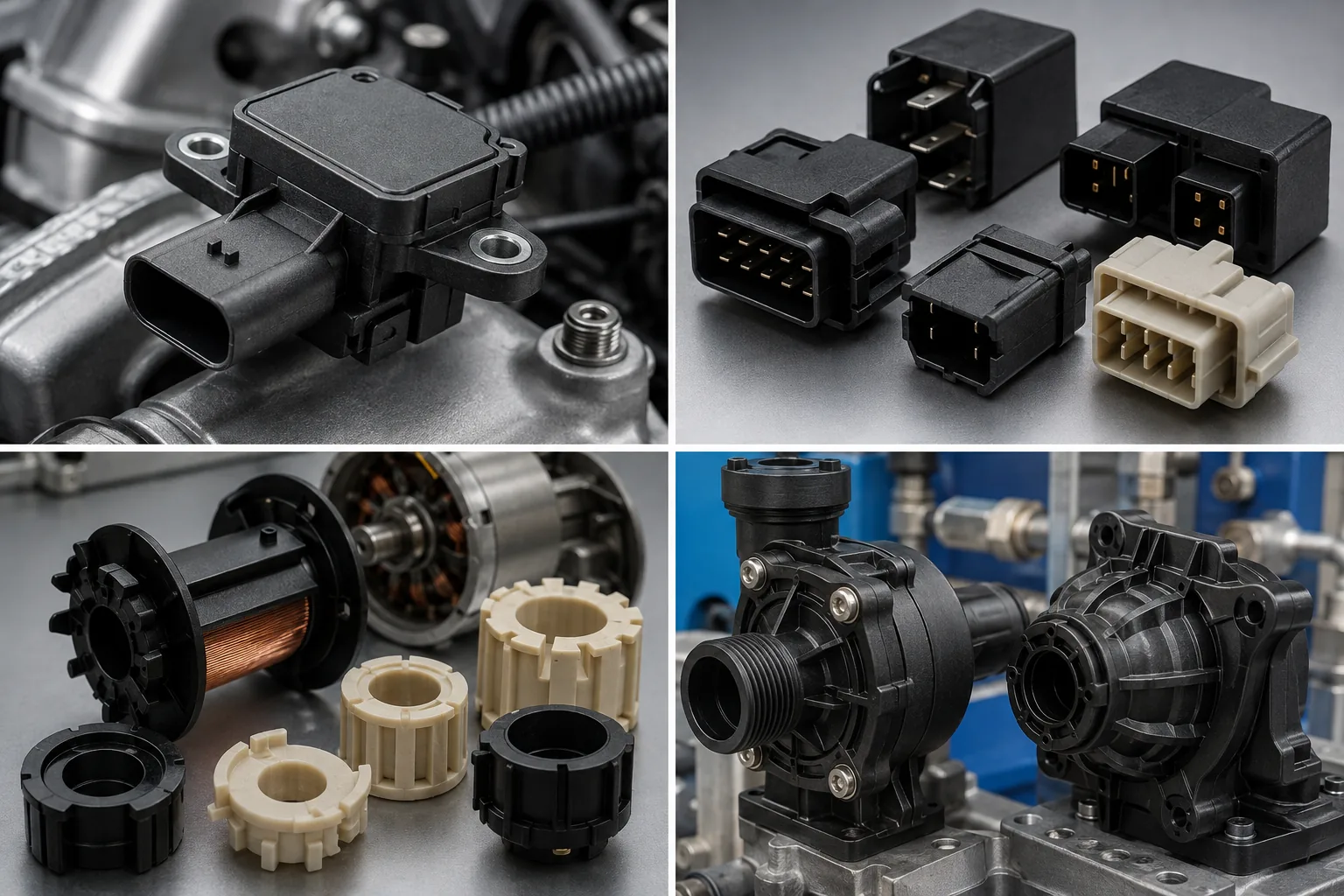
What is pbt material?
Polybutylene Terephthalate, commonly known as PBT, is a versatile and high-performance thermoplastic polymer that has gained prominence in various industries due to its exceptional mechanical and electrical properties. This article explores the composition, properties, applications, and advantages of PBT, shedding light on its significance in the world of materials science and manufacturing.
Composition and Manufacturing
PBT is a type of polyester that is created through the reaction of terephthalic acid and 1,4-butanediol. This reaction forms a polymer with repeating units, resulting in a linear and high-molecular-weight structure. The molecular arrangement of PBT imparts unique characteristics that make it suitable for a wide range of applications.
Key Properties of PBT
1. Mechanical Strength:
PBT is recognized for its excellent mechanical strength, offering a combination of stiffness and toughness. This makes it ideal for applications where components need to withstand mechanical stress and impact.
2. Electrical Insulation:
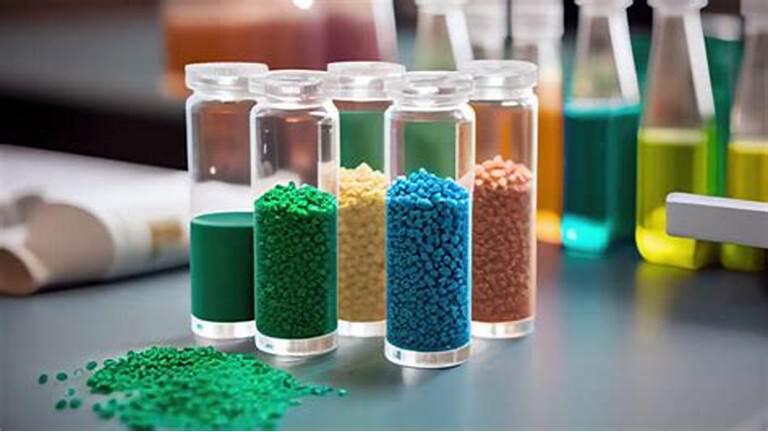
The material possesses excellent electrical insulating properties, making it valuable in the production of electrical components such as connectors, insulators, and housings. Its ability to resist electrical conductivity ensures reliable performance in various electronic applications.
3. Chemical Resistance:
PBT exhibits resistance to a variety of chemicals, oils, and solvents. This property enhances its suitability for applications in harsh environments where exposure to corrosive substances is a concern.
4. Dimensional Stability:
PBT maintains its dimensional stability over a wide temperature range. This attribute, combined with low moisture absorption, ensures that PBT retains its shape and mechanical properties in different environmental conditions.
Applications of PBT
1. Electronics and Electrical Components:
PBT is widely used in the electronics industry for manufacturing components like connectors, sockets, and insulators. Its electrical insulation properties and dimensional stability make it a preferred choice for these applications.
2. Automotive Components:
In the automotive sector, PBT is utilized in the production of various components, including connectors, sensors, and housings. Its ability to withstand heat and chemicals, coupled with its mechanical strength, contributes to its popularity in this industry.
3. Consumer Goods:
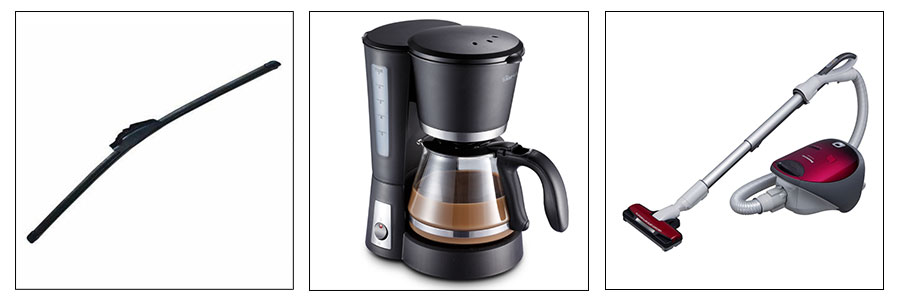
PBT is found in a range of consumer goods, including appliance housings, power tool casings, and components for sporting equipment. Its balance of mechanical properties and resistance to environmental factors make it suitable for diverse consumer applications.
4. Textile Industry:
In the textile industry, PBT is used in the production of specialty fibers. Its ability to resist stretching and maintain dimensional stability makes it suitable for applications such as sportswear and outdoor fabrics.
Advantages of PBT
Durability: PBT's high mechanical strength and resistance to environmental factors contribute to its overall durability, ensuring longevity in various applications.
Moldability: PBT can be easily molded into complex shapes, making it suitable for applications that require intricate designs and precise manufacturing.
Thermal Resistance: The material exhibits good thermal resistance, allowing it to withstand elevated temperatures without significant degradation. This property enhances its performance in applications where heat resistance is essential.
In conclusion, Polybutylene Terephthalate (PBT) stands as a versatile and reliable material that plays a pivotal role in diverse industries. Its unique combination of mechanical strength, electrical insulation, and chemical resistance has positioned it as a material of choice for applications ranging from electronics to automotive components. As technology continues to advance, PBT is likely to remain a key player in the evolution of materials used in manufacturing and design.
ABS vs PBT: Navigating the Choice Between Two High-Performance Thermoplastics
What is PBT?
Related Article