Characteristics of PA6 GF50: Density, Melting Point, and Young's Modulus
Polyamide 6 with 50% Glass Fiber Reinforcement, known as PA6 GF50, is an advanced engineering thermoplastic renowned for its exceptional mechanical properties. This article delves into the key characteristics of PA6 GF50, including density, melting point, and Young's modulus, providing insights into its significance across various industrial applications.
Introduction to PA6 GF50
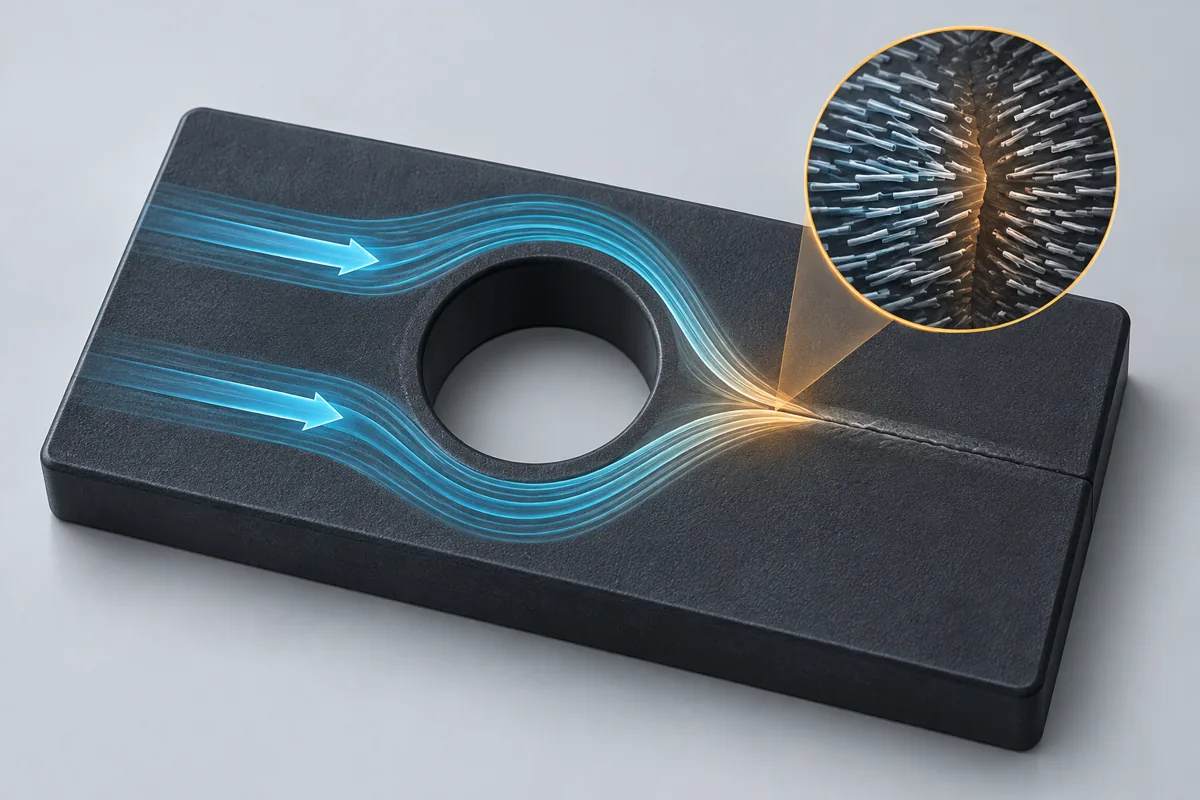
PA6 GF50 is a composite material that seamlessly integrates the resilience of polyamide 6 (PA6) with the heightened strength and stiffness derived from a substantial 50% content of glass fiber reinforcement. This synergy results in a material with superior mechanical properties, making it a preferred choice for applications demanding robust performance.
Density of PA6 GF50
Definition and Significance: Density, representing the mass per unit volume, is a critical parameter for materials like PA6 GF50. Typically featuring a density of approximately 1.5 g/cm³, this material strikes a balance between strength and weight, contributing to the creation of sturdy yet lightweight components.
Melting Point of PA6 GF50
Temperature Characteristics: PA6 GF50 boasts a melting point within the range of 220 to 260 degrees Celsius. The considerable glass fiber reinforcement significantly enhances the material's ability to withstand elevated temperatures, making it well-suited for demanding applications.
Processing Considerations: The understanding of the melting point is pivotal during the processing of PA6 GF50. This knowledge ensures effective molding and shaping of the material into desired forms without compromising its structural integrity.
Young's Modulus of PA6 GF50
Definition and Mechanical Significance: Young's Modulus, measuring a material's stiffness and elastic deformation under stress, typically ranges from 10,000 to 14,000 MPa for PA6 GF50. This high modulus underscores the material's exceptional stiffness and structural integrity.
Applications in Structural Design: The elevated Young's Modulus of PA6 GF50 makes it a material of choice for applications where stiffness and robust structural design are paramount. Industries such as automotive, aerospace, and industrial components benefit from its superior mechanical properties.
Applications of PA6 GF50
Automotive Engineering: PA6 GF50 finds extensive use in the automotive sector for manufacturing critical components such as engine parts, structural components, and exterior trims. Its superior mechanical properties contribute to the production of lightweight yet durable automotive components.
Industrial and Aerospace Applications: In industrial settings, PA6 GF50 is employed for manufacturing components that require high strength and stiffness. Aerospace applications also benefit from its exceptional mechanical characteristics.
PA6 GF50, with its impressive combination of density, melting point, and Young's Modulus, stands as a high-performance material in the field of engineering thermoplastics. Its versatility and robust mechanical properties make it a crucial player in various industries, driving innovation in the development of durable and reliable components. As technological advancements continue, PA6 GF50 is poised to maintain its position as a material of choice for demanding engineering solutions.
Properties and applications of carbon fiber reinforced nylon 6 materials
PA6 GF40: Density, Melting Point, and Young's Modulus
Related Article