
What are the properties of nylon 6? What is the melting point of nylon 6?
author: WanHan Technology
2023-11-08
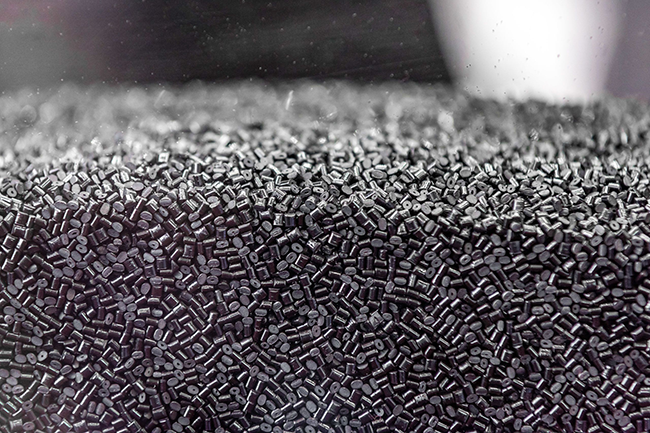
Nylon 6, also known as polyamide 6 (Polyamide 6), is a common nylon material. It is a thermoplastic synthetic polymer polymerized from caprolactam monomer. The number "6" in the name of Nylon 6 means that the number of carbon atoms in caprolactam is 6. It has excellent mechanical strength, including tensile, flexural and impact strength, making it an ideal material in many applications.
Nylon 6 properties:
1.Nylon 6 melting point: The melting point of nylon 6 is usually between 220°C and 260°C (428°F and 500°F), depending on the specific material formulation. Within this temperature range, nylon 6 can be heated and shaped.
2.Nylon 6 Density: The density of nylon 6 is usually between 1.12 and 1.15 g/cubic centimeter, depending on the specific manufacturer and product formulation.
3.Nylon 6 thermal expansion coefficien: The thermal expansion coefficient of nylon 6 is relatively low, which means that its size changes less when the temperature changes.
Nylon 6 is used in a wide range of applications including mechanical engineering, automotive industry, electronics and electrical fields, textile industry, sports equipment, household items, industrial equipment and many more. Its versatility, good properties and processability make it a common engineering plastic.
PA6 GF15 Polyamide Nylon
What is Nylon 6 GF30 Pellets?
Related Article
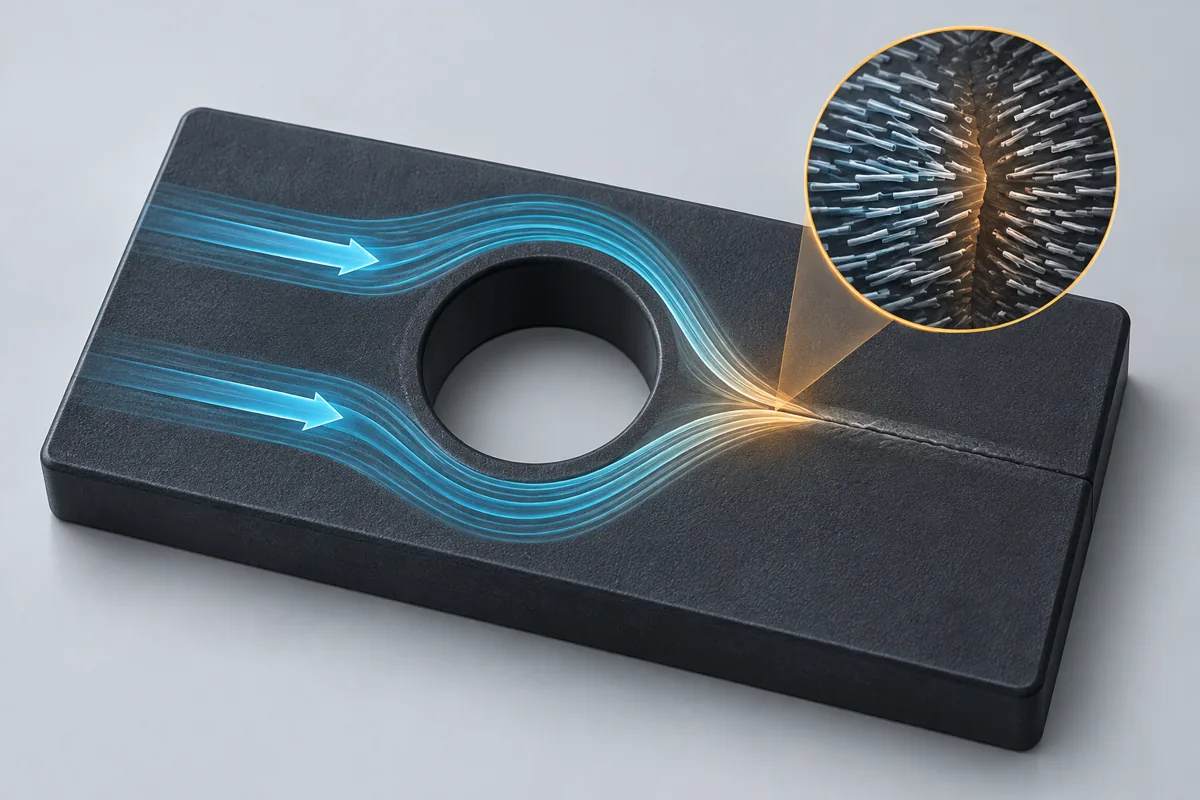
Learn how weld lines affect PA6 GF30 parts, which molding and design factors to check, and how to validate strength under real service conditions.
PA6 GF30 Weld Line Strength: Design and Molding Validation Guide
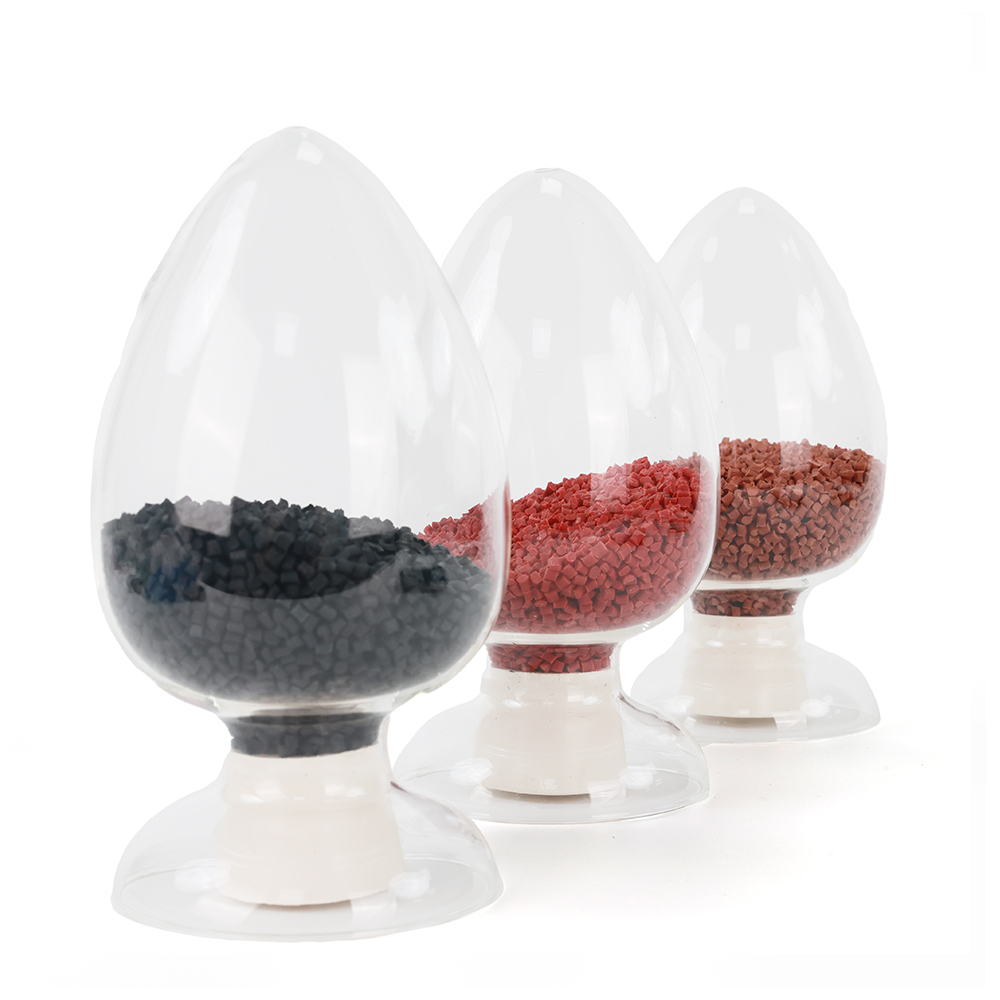
PA6 GF30 explained: Compare high-strength injection molding compounds from WanHan Technology with Ultrafuse® PA6 GF30 3D printing filament. Discover automotive applications, technical datasheets, and how to source directly from a leading Chinese manufacturer.
PA6 GF30 Complete Guide: Injection Molding Grades vs. 3D Printing Filament
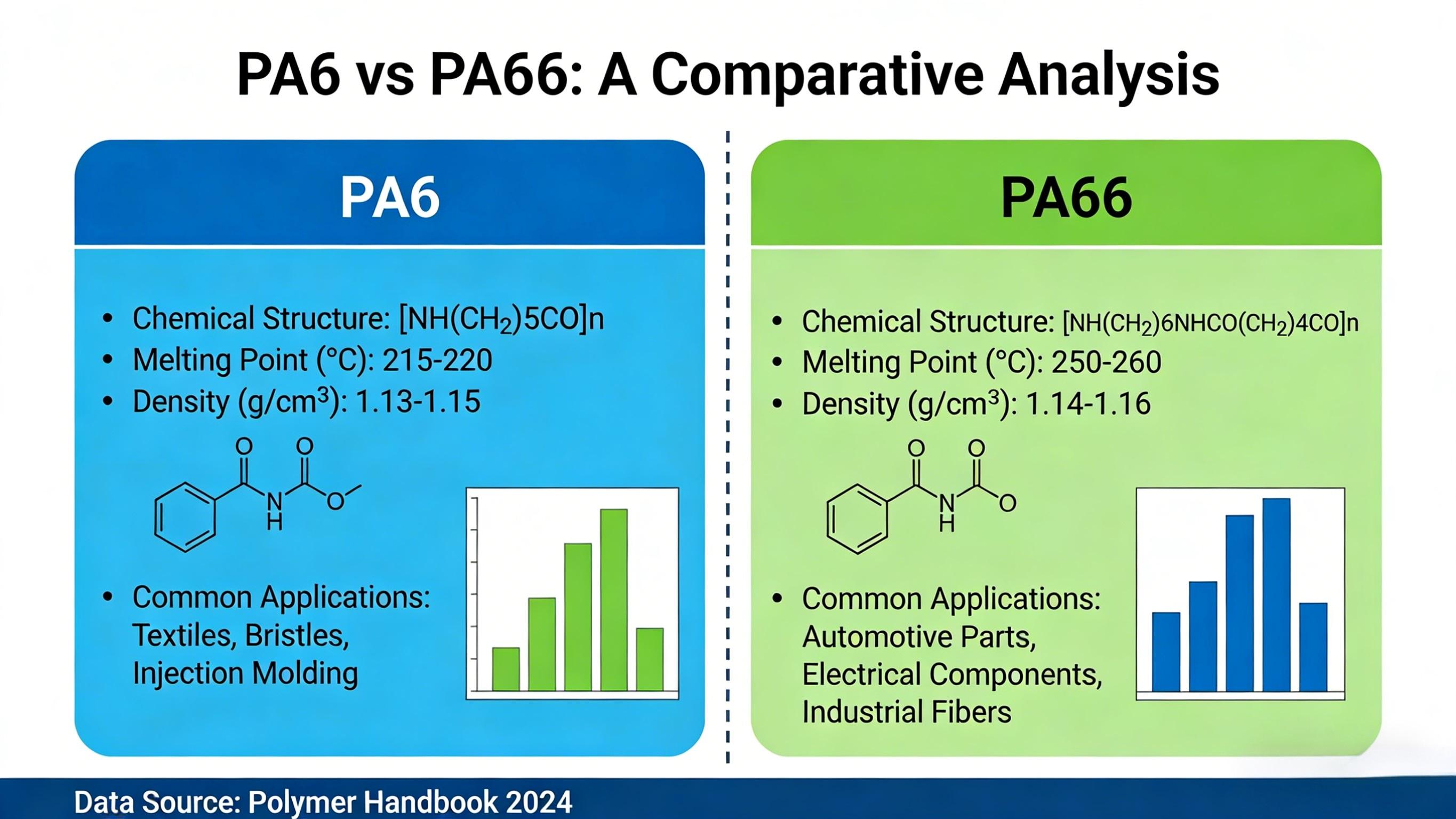
In the world of engineering plastics, few materials are as ubiquitous and indispensable as Polyamide 6, commonly known as PA6 or Nylon 6. From the rugged components under your car's hood to the durable gears in your home appliances, PA6 is a silent workhorse enabling enhanced performance, durability, and design flexibility. But what exactly makes this material a top choice for engineers and designers? Let's dive into the insights.
PA6: The Versatile Nylon Powering Modern Industries

Confused between PA6 GF30 and PA66 GF30? This guide compares Nylon 6 & 66 with glass fiber, helping you choose the right glass filled nylon for strength, heat resistance, and your application. Get expert advice.
PA6 vs. PA66 with Glass Fiber: Choosing the Right Engineered Nylon for Your Application
SEND MESSAGE