
Home /News /Material information /PA66 /PA66 GF15 Plastic Granules: Technical Specifications, Properties and Wide Applications /
PA66 GF15 Plastic Granules: Technical Specifications, Properties and Wide Applications
author: WanHan Technology
2023-12-06
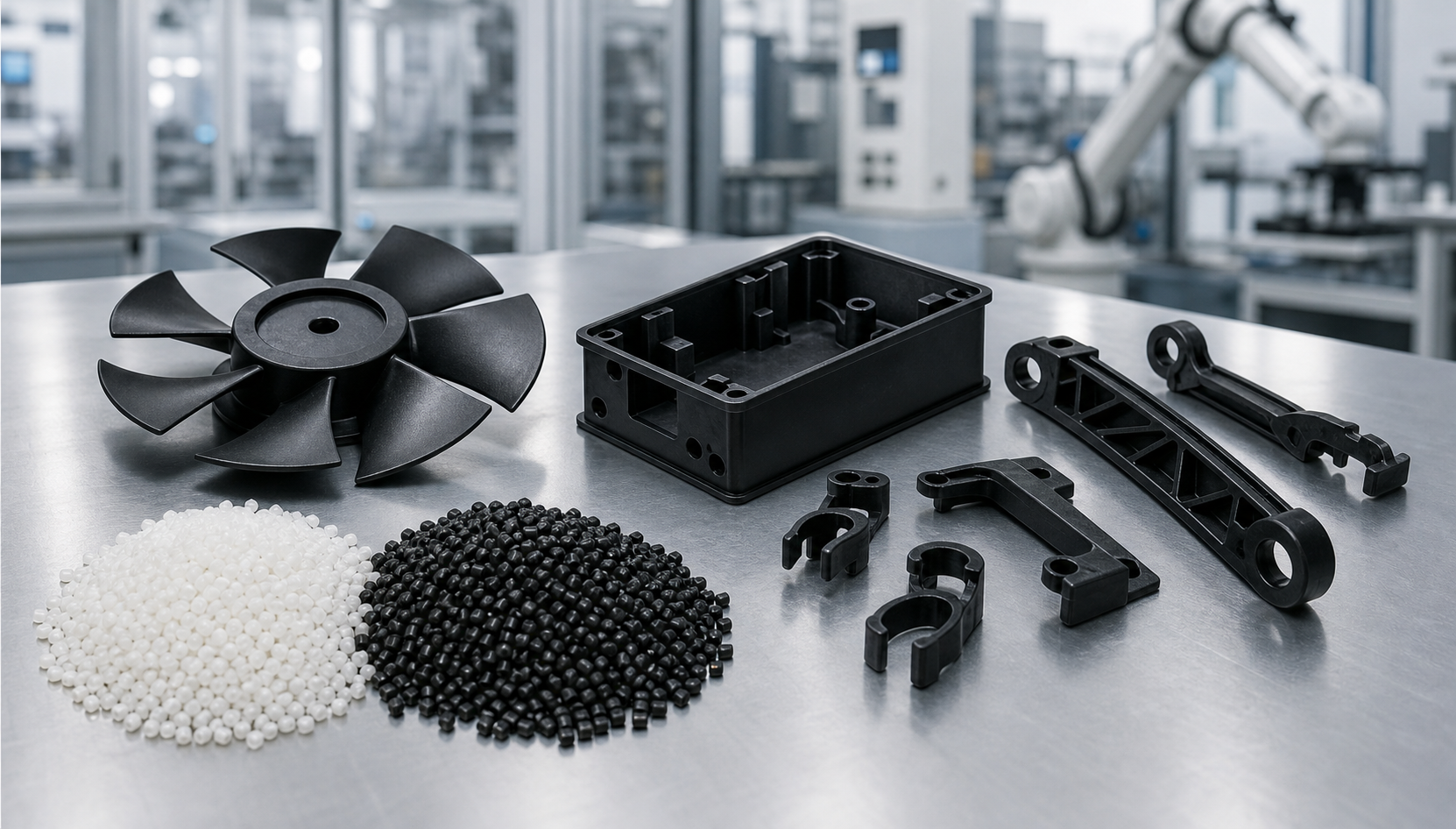
PA66 GF15 (Polyamide 66 Glass Fiber Reinforced 15%) is a high-performance plastic favored in the engineering field with excellent technical specifications and properties. We will take an in-depth look at the characteristics of this material and its use in multiple application areas. Advantage.
Technical specifications and performance data
| WanHan® PA66 GF15 Datasheet | |||
| Performance | Test Method | Test Unit | Test value |
| Mechanical properties | |||
| Tensile strength | ISO527 | Mpa | 120 |
| Elongation at break | ISO527 | % | 13 |
| Flexural strength | ISO178 | Mpa | 180 |
| Flexural modulus | ISO178 | Mpa | 5000 |
| Izod notched impact strength | ISO180 | KJ/m2 | 12 |
| Thermal performance | |||
| Heat deflection temperature | ISO075 | °C | 190 |
| Melt flow index | ISO1133 | g/10min | 20 |
| Physical properties | |||
| Density | ISO0895 | g/cm3 | 1.28 |
| Shrinkage | ISO2577 | % | 0.7 |
| Flammability | UL94 | 1.6mm | HB class |
Mechanical behavior
Tensile Strength: According to ISO527 test standard, the tensile strength of PA66 GF15 reaches 120 MPa. This high strength makes it excellent in a variety of demanding structural applications.
Elongation at Break: According to ISO527 test standard, the elongation at break of PA66 GF15 is 13%. This shows that the material can still maintain a certain degree of ductility under high strength requirements.
Flexural Strength: Under the ISO178 test standard, the flexural strength of PA66 GF15 is 180 MPa. This means that the material performs well under bending loading conditions and is suitable for use in structural components.
Flexural Modulus: According to the ISO178 test standard, the flexural modulus of PA66 GF15 is 5000 MPa. The material's excellent stiffness makes it useful in applications where component size and shape are critical.
Izod Notched Impact Strength: Under the ISO180 test standard, the Izod Notched Impact Strength of PA66 GF15 is 12 KJ/m2. This shows that when impacted, the material can effectively absorb energy and improve impact resistance.
Thermal properties
Heat Deflection Temperature: According to the ISO075 test standard, the heat deformation temperature of PA66 GF15 reaches 190°C. This allows it to maintain strength and rigidity in high-temperature environments, making it suitable for high-temperature applications.
Melt Flow Index: The melt flow index of PA66 GF15 is 20 g/10min, which provides stable processing characteristics for injection molding and other processing processes.
Physical properties
Density: According to the ISO0895 test standard, the density of PA66 GF15 is 1.28 g/cm3. This relatively low density helps reduce overall product weight.
Shrinkage: Under the ISO2577 test standard, the shrinkage rate of PA66 GF15 is 0.7%. This shows that the material has low linear shrinkage in processes such as injection molding, maintaining the dimensional stability of molded parts.
Flame retardancy (Flammability): According to the UL94 test standard, PA66 GF15 reaches the HB level at a thickness of 1.6mm, showing a certain degree of flame retardancy and is suitable for some fields that require higher flame retardancy.
The excellent performance of PA66 GF15 makes it widely used in many fields, including automotive parts, electronic equipment casings, industrial products, etc. Its advantages are:
1. Strength and rigidity: The high tensile strength and flexural modulus of PA66 GF15 make it an ideal choice for applications requiring high strength and rigidity.
2. Thermal stability: The high thermal deformation temperature makes this material suitable for applications that work in high-temperature environments, such as automotive engine room components.
3. Processing characteristics: Stable melt flow index helps maintain processing stability and is suitable for various injection molding and extrusion processes.
4. Lightweight design: Relatively low density helps reduce the weight of the overall product and has a positive impact on lightweight design.
Nylon 66 30% Glass Filled: Comprehensive Analysis of Price, Shrinkage and Density
Polyamide 66 Nylon PA66 GF33
Related Article
Engineering selection guide to PA6 GF15 density, mechanical properties, molding behavior, applications, and B2B sourcing requirements.
PA6 GF15 Properties, Processing, and Application Guide
Nylon 6 30 GF is a 30% glass fiber reinforced polyamide that offers higher strength, stiffness, creep strength and dimensional stability compared to unreinforced Nylon 6.
Polyamide PA6 Nylon 6 30 GF
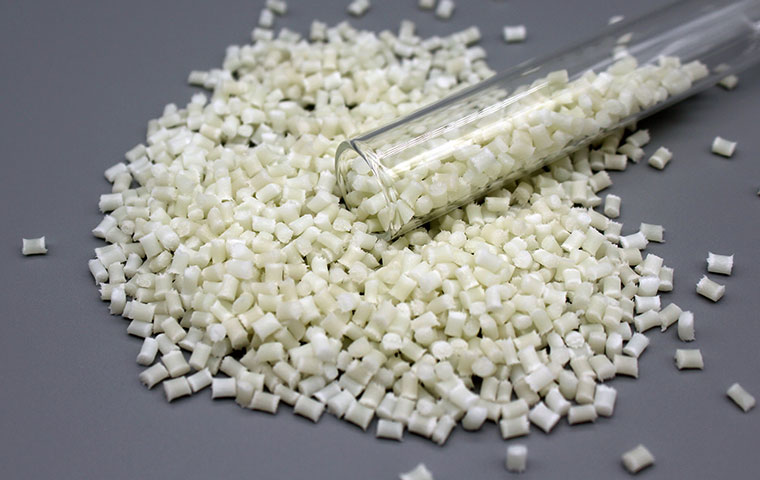
PA6 GF30 is a polyamide 6 (PA6) reinforced 30% glass fiber (GF30) composite material with excellent mechanical properties, thermal properties and physical properties. This plastic is widely used in a variety of industrial applications and its properties have been put through a series of standard tests.
What are the key information of PA6 GF30 material?
SEND MESSAGE