Navigating Glass-Fiber Reinforced Nylons: A Technical and Sourcing Guide to PA6 GF30 and PA66 GF30
1. Material Selection Matrix: PA6 GF30 vs. PA66 GF30
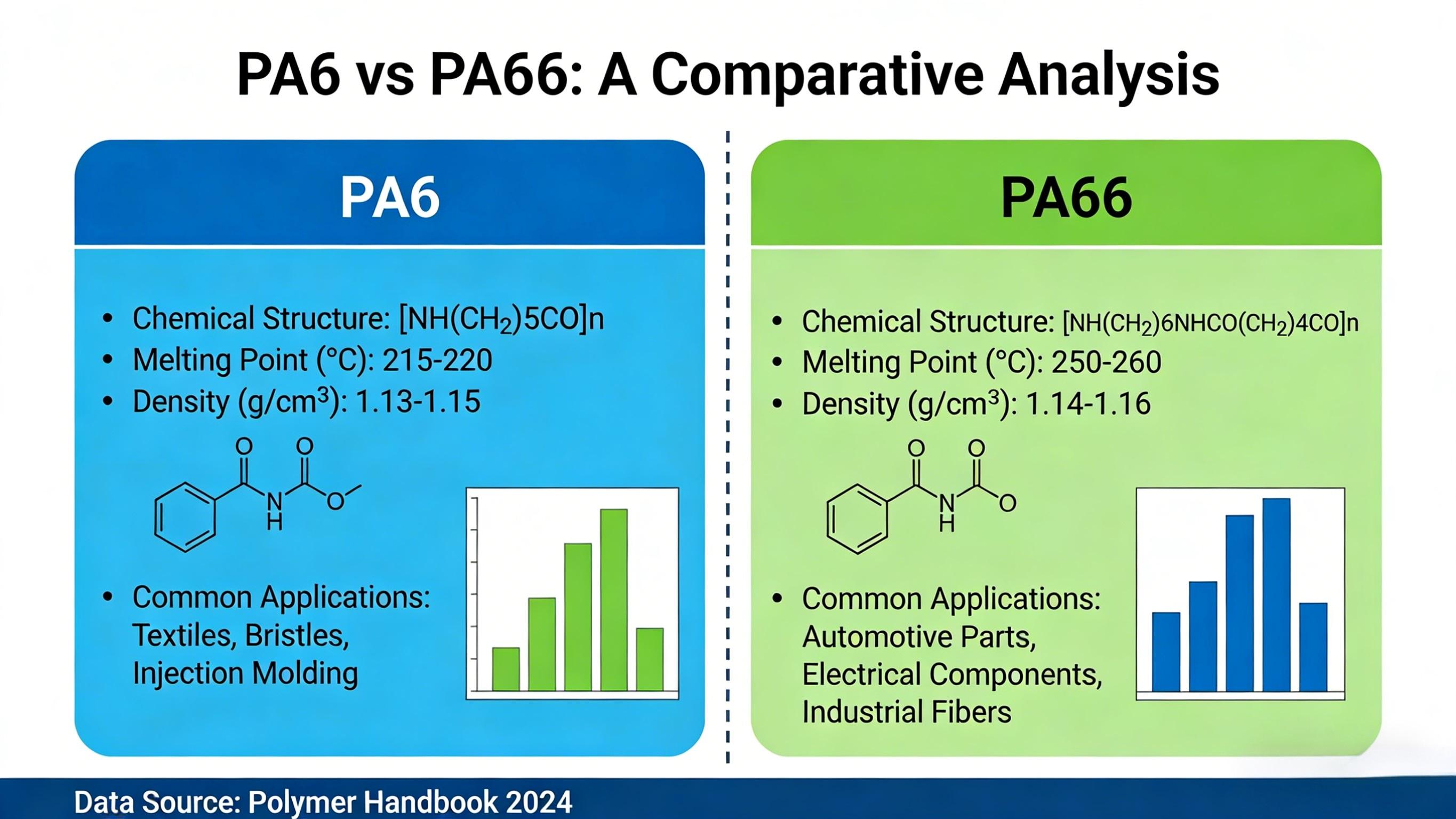
The decision between PA6 and PA66 hinges on balancing thermal performance, mechanical strength, and cost. Glass fiber reinforcement elevates the properties of both, but their inherent differences remain key.
| Property / Decision Factor | PA6 GF30 (30% Glass Fiber) | PA66 GF30 (30% Glass Fiber) | Implication for Your Project |
|---|---|---|---|
| Core Value Proposition | Excellent toughness, good processability, and cost-effectiveness. | Peak strength, stiffness, and thermal resistance. | Defines the performance ceiling and operating limits of your component. |
| Tensile Strength | High (e.g., ~131 MPa) | Very High (e.g., ~145 MPa or more) | PA66 GF30 offers superior load-bearing capacity for critical structural components. |
| Heat Deflection Temp. (HDT) | High (e.g., 190°C - 204°C) | Very High (e.g., >250°C) | PA66 GF30 is essential for parts near engines or in high-temperature electrical applications. |
| Moisture Absorption | Moderate to High | Moderate (typically lower than PA6) | PA6 is more hygroscopic, which can affect dimensional stability and require drying. |
| Chemical Resistance | Good resistance to many chemicals and bases. | Excellent resistance to oils, greases, and fuels. | PA66 GF30 is preferred for direct contact with automotive fluids. |
| Key Sourcing Note | Easier flow for complex geometries; lower raw material cost. | Higher melting point; generally higher raw material cost. | PA6 GF30 often provides a better total cost per part, balancing performance and economics. |
Strategic Verdict: Choose PA6 GF30 for an optimal balance of good mechanical properties, impact resistance, processability, and overall cost efficiency. Choose PA66 GF30 when maximum strength, superior heat resistance (above 200°C), and long-term dimensional stability under load are critical.
2. Engineered for Performance: Key Applications
The distinct property profiles of these materials drive their use in specific sectors:
-
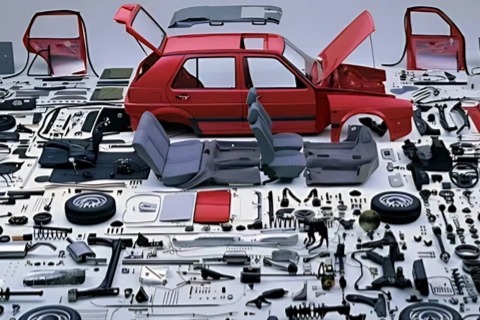
Automotive & E-Mobility: PA66 GF30 is used for engine covers, intake manifolds, and high-heat components. PA6 GF30 is increasingly specified for charge air ducts, engine covers, and structural housings, especially where newer, heat-stabilized grades meet requirements at a favorable cost. Both are crucial for electric vehicle battery components and connectors.
-
Industrial & Mechanical Engineering: For gears, bearings, pulleys, and high-strength housings, PA66 GF30 is chosen for the highest stiffness, while PA6 GF30 excels in applications requiring better toughness and fatigue resistance.
-
Electrical & Electronics: The excellent dielectric properties make them ideal. PA6 GF30 is widely used for electrical enclosures, circuit breakers, and connectors, with specialized grades protecting against electrochemical corrosion.
3. Sourcing with a Technical Partner
Success with engineering plastics like PA6 GF30 and PA66 GF30 depends on material consistency and deep technical support.
-
Navigating Complex Grades: The market features numerous options. A knowledgeable partner can help you navigate standard, heat-stabilized, or impact-modified grades to find the perfect fit, avoiding over- or under-specification.
-
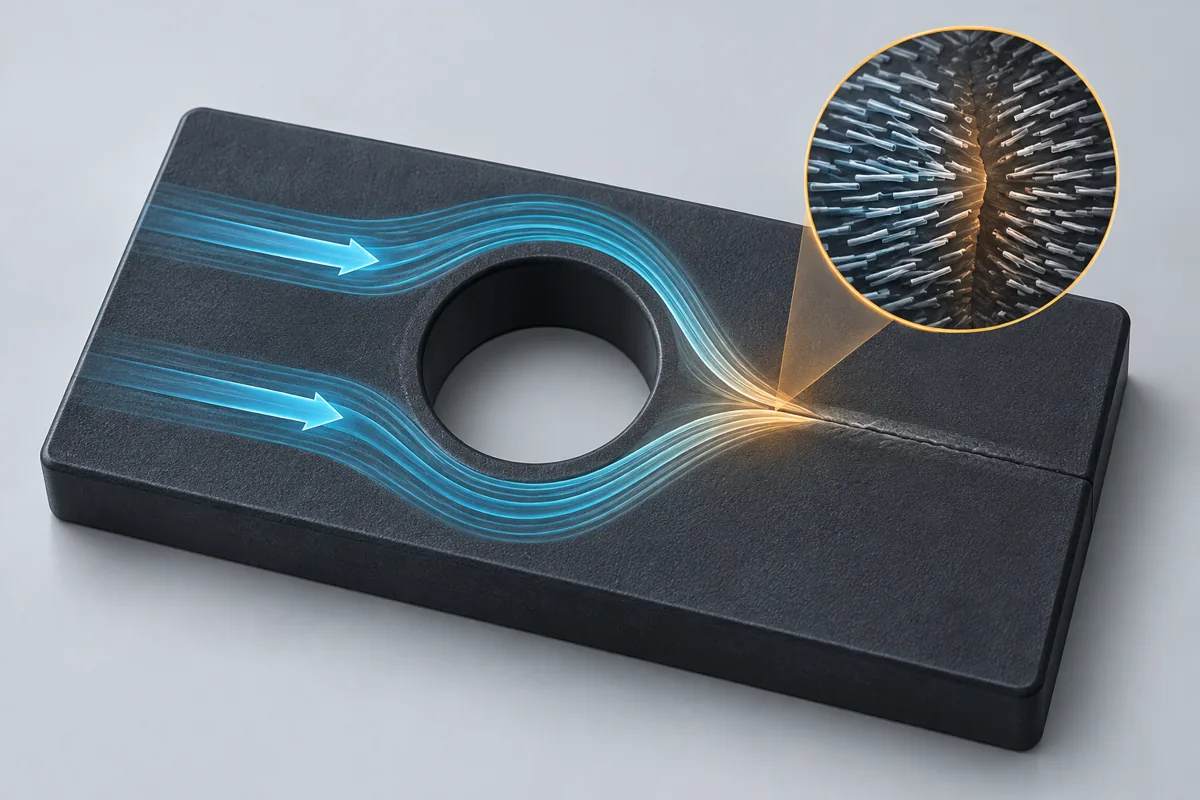
Value-Added Expertise: An expert manufacturer provides crucial support in drying protocols, mold design to minimize weld lines, and processing optimization to ensure optimal fiber orientation and part quality.
Conclusion: Making an Informed Decision
PA6 GF30 and PA66 GF30 are both powerful engineered solutions. The choice is not about which is universally better, but which is perfectly suited to your specific performance requirements, environmental conditions, and total cost targets.
Ready to Specify the Right Glass-Fiber Reinforced Nylon?
Leverage material science expertise to ensure your project's success.
-
Explore Material Portfolios: Review detailed specifications for high-performance compounds to inform your design.
-
Request a Technical Consultation: Discuss your application's specific challenges for a tailored material recommendation.
-
Request a Sample or Quote: Provide your part details and volume for a competitive quotation.
Partner with an expert to transform your design with confidence. For a detailed consultation on PA6 GF30, PA66 GF30, or other specialized polymers, contact our engineering team today to discuss your project needs.
PA6, PA66, PA6 GF30, PA66 GF30: The Definitive Selection Guide for Engineering Applications
PA6-CF: The High-Performance Choice of Carbon Fiber Reinforced Nylon 6 - A Guide to Specifications and Sourcing
Related Article