The Manufacturing Journey of PA66 Granules: Unveiling the Fabrication Process
Polyamide 66 (PA66), commonly known as nylon 66, stands as a versatile and widely used engineering plastic with applications spanning from automotive components to consumer goods. Understanding the fabrication process of PA66 granules provides insights into the meticulous steps involved in transforming raw materials into a material prized for its strength, durability, and heat resistance.
Raw Material Selection:
The journey begins with the careful selection of raw materials. Hexamethylenediamine (HMDA) and adipic acid, the primary building blocks of PA66, undergo a controlled polymerization process. This reaction forms a polymer chain with repeating units, creating a high molecular weight structure.
Polymerization Process:
The polymerization process requires precision and control. HMDA and adipic acid are combined in specific ratios and subjected to controlled temperatures and pressures. The polymerization process yields a molten polymer that is later cooled and solidified into a polyamide salt, which serves as the precursor for PA66.
Polymer Melt Production:
The polyamide salt undergoes a process known as polycondensation to produce a molten polymer. This step involves heating the polyamide salt to eliminate water and generate a polymer melt. The result is a high-viscosity, semi-crystalline material that possesses the essential characteristics of PA66.
Extrusion of PA66 Granules:
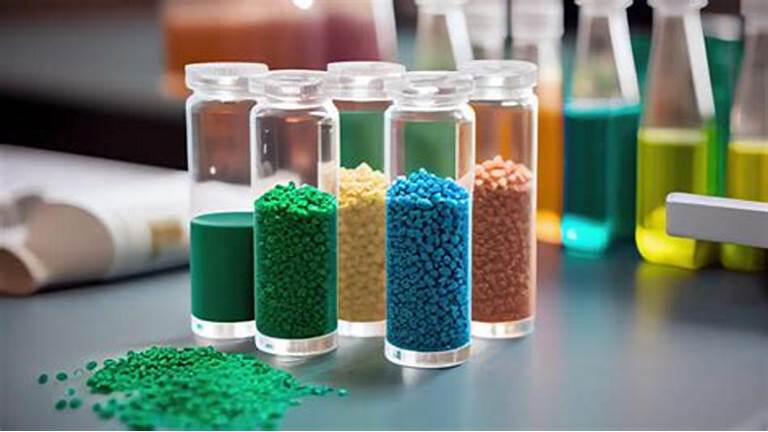
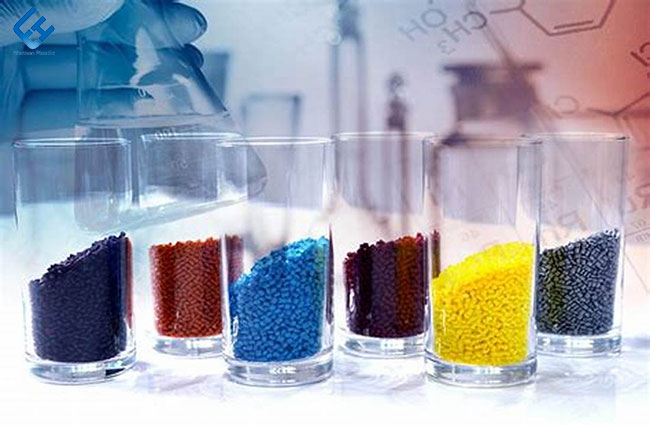
To transform the molten polymer into the granular form, extrusion is employed. The polymer melt is forced through a die to create a continuous profile, which is then rapidly cooled, solidified, and chopped into small pellets. These pellets are the PA66 granules that serve as the building blocks for various manufacturing processes.
Quality Control:
Throughout the entire fabrication process, quality control measures are implemented. Parameters such as molecular weight, viscosity, and thermal properties are carefully monitored to ensure the resulting PA66 granules meet the required specifications. This rigorous quality control guarantees that the material maintains its desired mechanical and thermal properties.
Applications of PA66 Granules:
The versatility of PA66 granules makes them indispensable in numerous industries. From automotive components such as engine covers and fuel systems to consumer goods like electrical connectors and sports equipment, the applications are diverse. The inherent strength, resistance to abrasion, and ability to withstand high temperatures make PA66 a material of choice for demanding applications.
Conclusion:
The fabrication process of PA66 granules is a sophisticated journey that involves precision, control, and a commitment to quality. From the careful selection of raw materials to the extrusion and quality control processes, every step contributes to the creation of a material that plays a vital role in modern manufacturing. As we delve into the intricacies of PA66 production, we gain a deeper appreciation for the science and craftsmanship behind this remarkable engineering plastic.
What is virgin PA66?
PA66 Material: Properties, Applications and Manufacturers
Related Article