Exploring Modified PA6 Material: Indispensable in Modern Industry
In today's rapidly evolving industrial landscape, the application of engineering plastics is becoming increasingly widespread, and modified polyamide 6 (PA6) material stands out as a shining star. With its outstanding performance and wide range of applications, modified PA6 has captured the interest of numerous industries, making it a preferred choice for many projects.
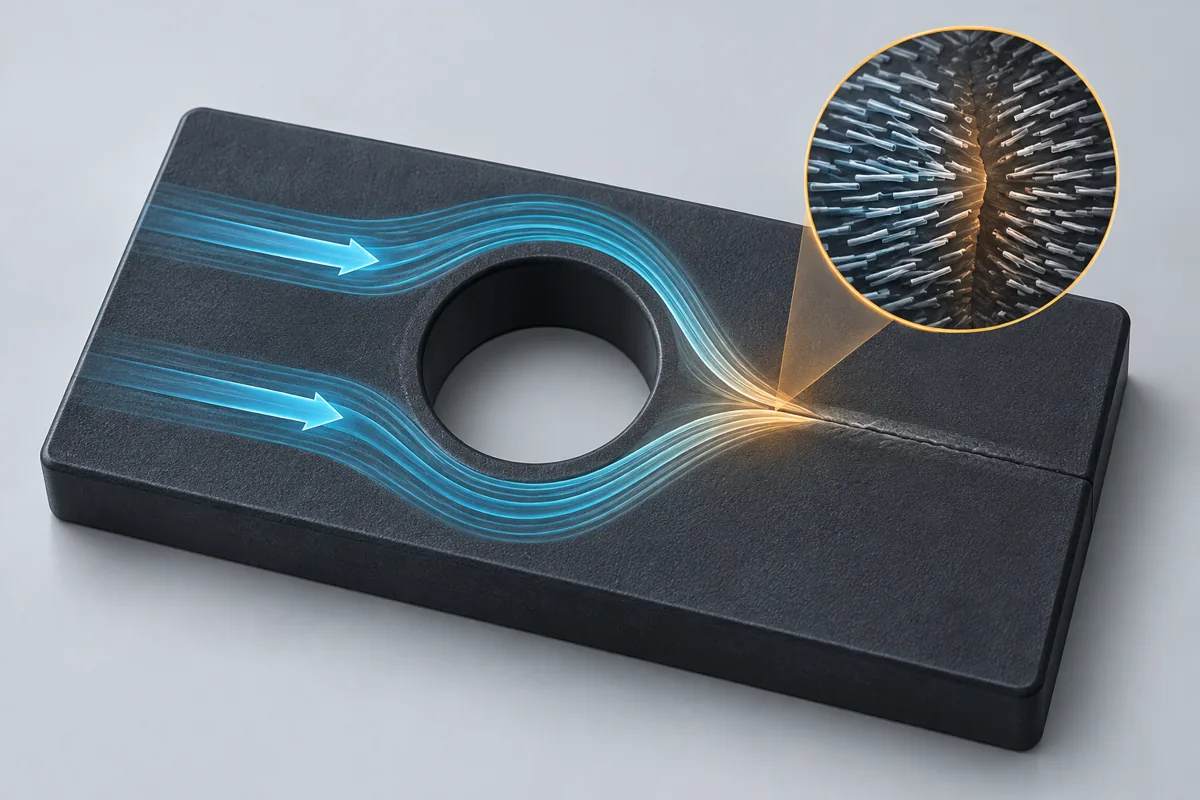
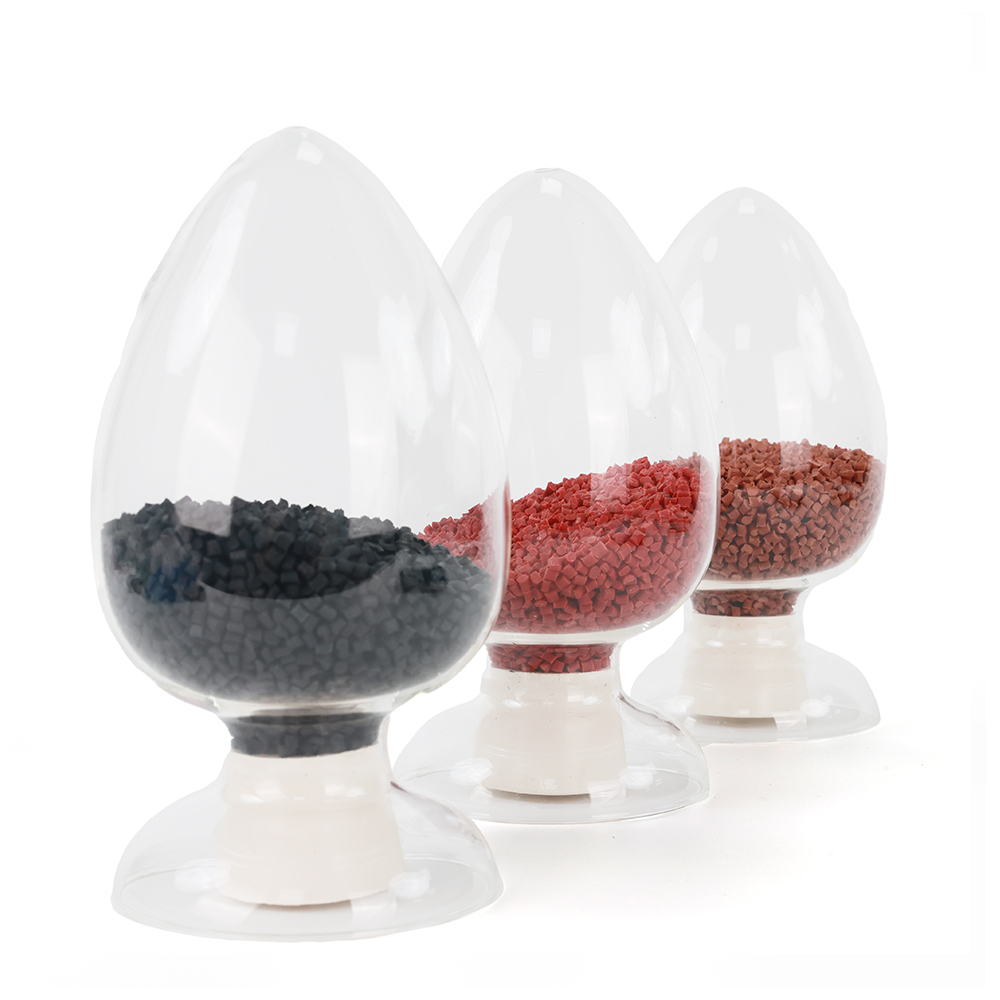
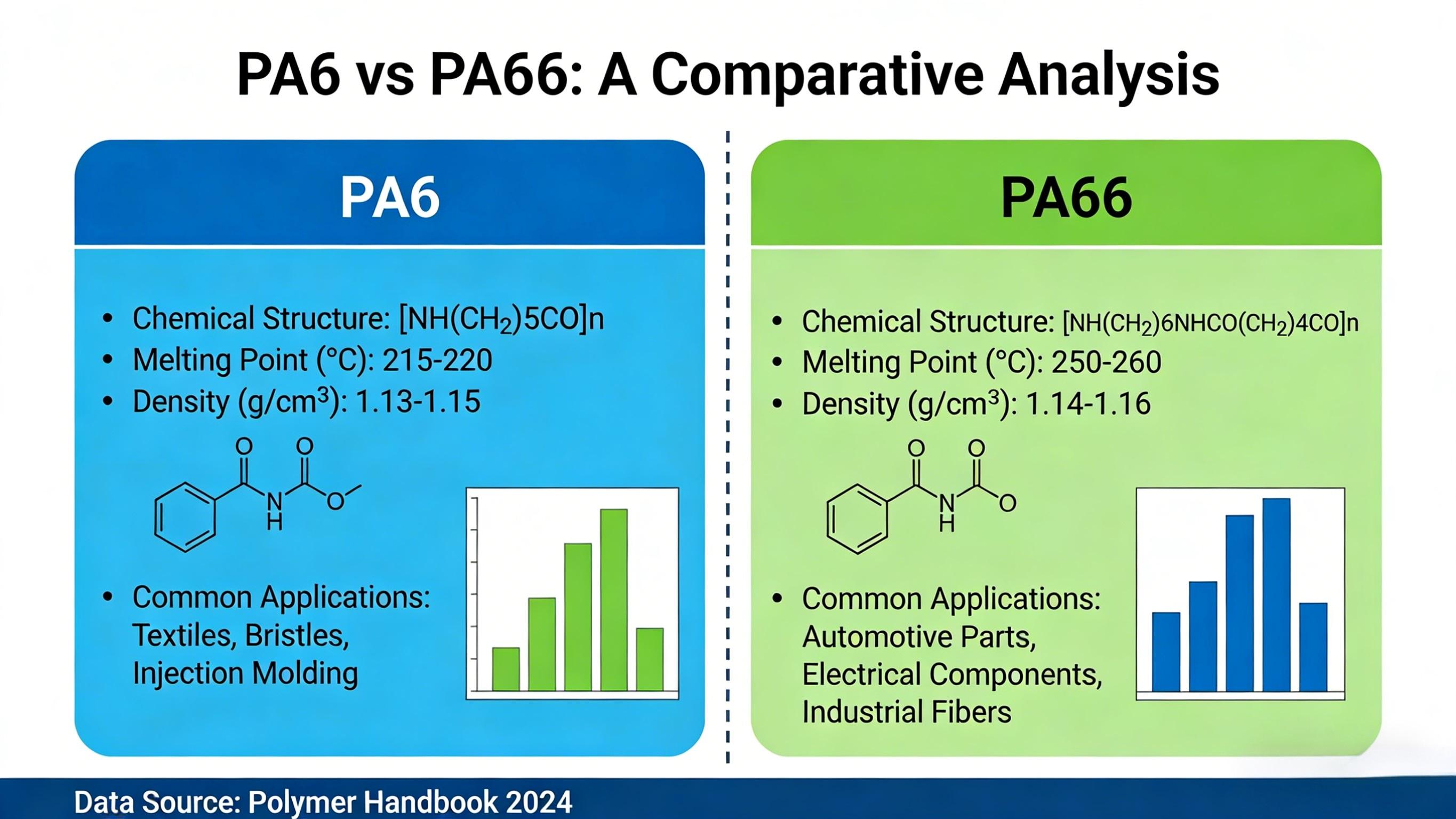
PA6, also known as nylon, is a thermoplastic engineering plastic that possesses good mechanical properties and durability. However, to meet the diverse performance requirements of different fields, modified PA6 materials have emerged. By adding various modifiers, the performance of this material is significantly enhanced, making it better suited for a variety of application environments.
Modified PA6 materials not only retain the characteristics of traditional PA6, but also offer additional superior properties. Its mechanical strength, abrasion resistance, and chemical stability play a crucial role in various engineering fields. From automotive manufacturing to electronic devices, from industrial components to everyday consumer goods, modified PA6 plays an essential and irreplaceable role. Even under high temperatures and pressures, modified PA6 maintains its exceptional performance, making it the preferred material for engine components, cable sheathing, and other critical areas.
As the concept of sustainable development gains traction, modified PA6 materials have also made significant strides in environmental friendliness. Many manufacturers are exploring the production of degradable modified PA6 to reduce their impact on the environment. The sustainability advantage of this material is receiving increasing attention from consumers and manufacturers alike, making it an integral part of corporate sustainability strategies.
When using modified PA6 materials, understanding their characteristics and technical nuances is crucial. Factors such as temperature, pressure, and cooling processes influence the material's performance. Therefore, when selecting and applying modified PA6 materials, attention to these key details is essential to achieve optimal results.
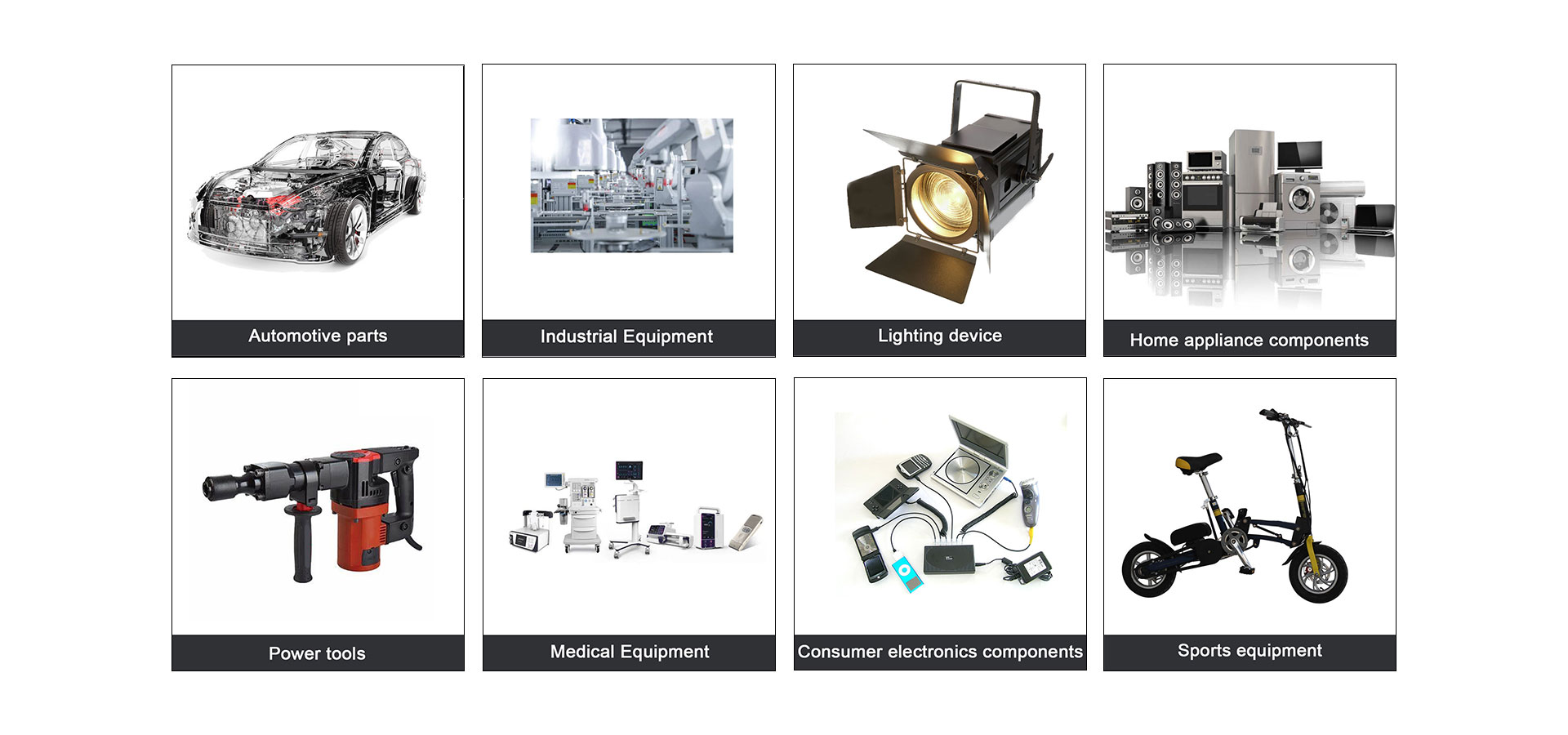
In practical applications, modified PA6 materials have achieved numerous success stories. Taking automotive manufacturing as an example, some manufacturers have adopted modified PA6 to produce engine hoods. This not only ensures the stability of the engine hood but also reduces the overall vehicle weight, leading to improved fuel efficiency. This example demonstrates the significant potential of modified PA6 in innovation and performance enhancement.
In conclusion, modified PA6 materials, with their exceptional performance, diverse application areas, and potential for sustainability, shine as a brilliant gem in the field of plastic engineering. Its exceptional performance in high-temperature and high-pressure environments has made it a staple in sectors such as automotive, electronics, and industrial manufacturing. Moving forward, with continuous technological advancements, modified PA6 materials are poised to continue playing a pivotal role in driving industrial innovation and sustainable development. For further information on modified PA6 materials, please visit our website or contact us.
Flame retardant PA 6 FR resin material
Related Article