
What does the basic structure of the mold include?
author: WanHan Technology
2023-12-26
The basic structure of a mold consists of several major components, each of which has a specific function during injection molding or other molding processes. The following is the basic structure of the mold:
Cavity: The cavity is the part of the mold used to form the shape of the final product. The shape and size of the mold cavity should be consistent with the final product. In injection molding, plastic material is injected into the mold cavity, cooled and solidified, and finally formed into a product.
Core: The core is the part of the mold used to form the internal structure of the final product. The mold core usually matches the mold cavity to ensure the complete shape and size of the injection molded product. The core can be moved within the mold to make it easier to eject the molded product.
Parting Line: The parting line is the surface in the mold that separates the cavity and core. When the mold is closed, the parting surface separates the mold cavity and core. The design of the parting surface should consider the shape and molding requirements of the product to ensure that the product can be demoulded normally.
Guide Mechanism: The guide mechanism is used to ensure the correct alignment of the mold cavity and mold core to prevent them from abnormal displacement when the mold is closed and opened. The guide mechanism usually includes components such as guide posts and guide sleeves.
Cooling System: The cooling system is used to control the temperature of the mold to ensure that the injection molded product can be cooled and solidified quickly and evenly. Cooling is usually achieved by circulating cooling water or oil, and cooling channels can be provided around the mold cavity and core.
Ejector Mechanism: The ejector mechanism is used to eject the molded product from the mold cavity. This usually includes components such as push rods and ejector pins, which are moved through mechanical or hydraulic means to push the molded product out of the mold.
Injection System: The injection system is used to inject plastic material into the cavity of the mold. It includes nozzles, screws, heating systems and other components to ensure that plastic materials are effectively injected into the mold cavity.
Base Plate: The base is the basic support structure of the mold and carries the weight of the entire mold. The base is usually mounted with other mold components.
These basic parts work together to allow the mold to complete the product during injection molding or other molding processes. Different types of molds and molding processes may have some additional or different components, but the above are the core components of the basic structure of a mold.

What is a mold cavity?
Related Article
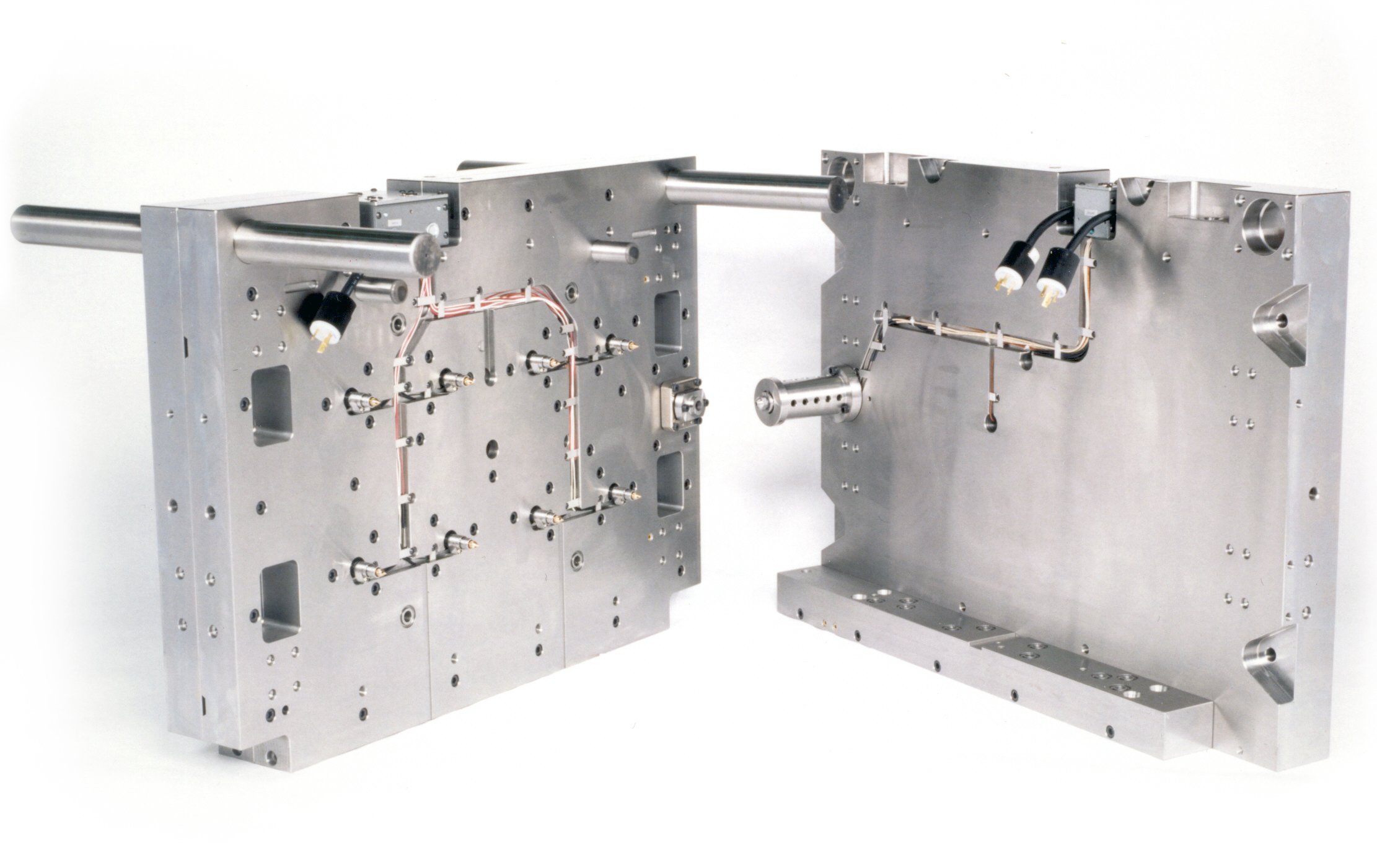
The mold base is the support structure of the mold, which carries the weight of the entire mold and provides support. The base is usually located at the bottom of the mold and supports various components of the mold, including the mold cavity, mold core, guide mechanism, cooling system, etc.
What is a mold base?
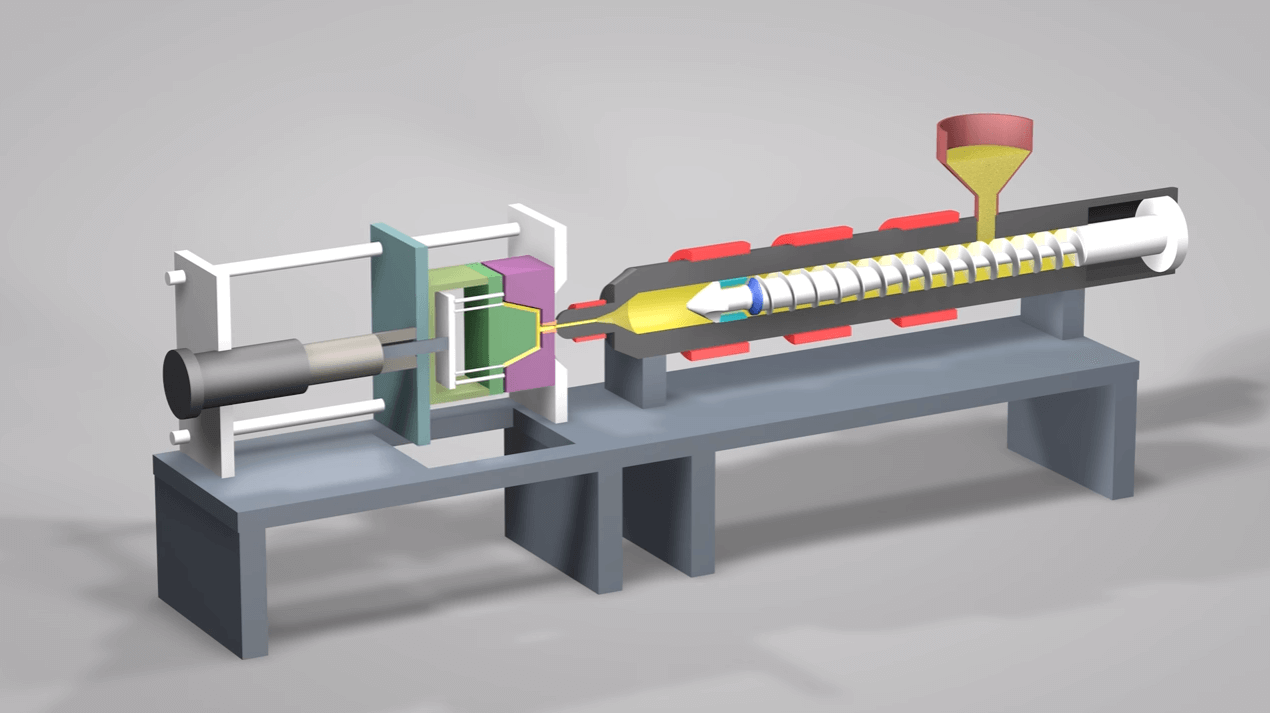
The injection system in the mold refers to the system used to inject molten plastic material into the mold cavity. The injection system is a key component in the injection mold. Its main purpose is to inject molten plastic material into the mold cavity evenly and accurately to form the final product shape.
What is an injection system in a mold?
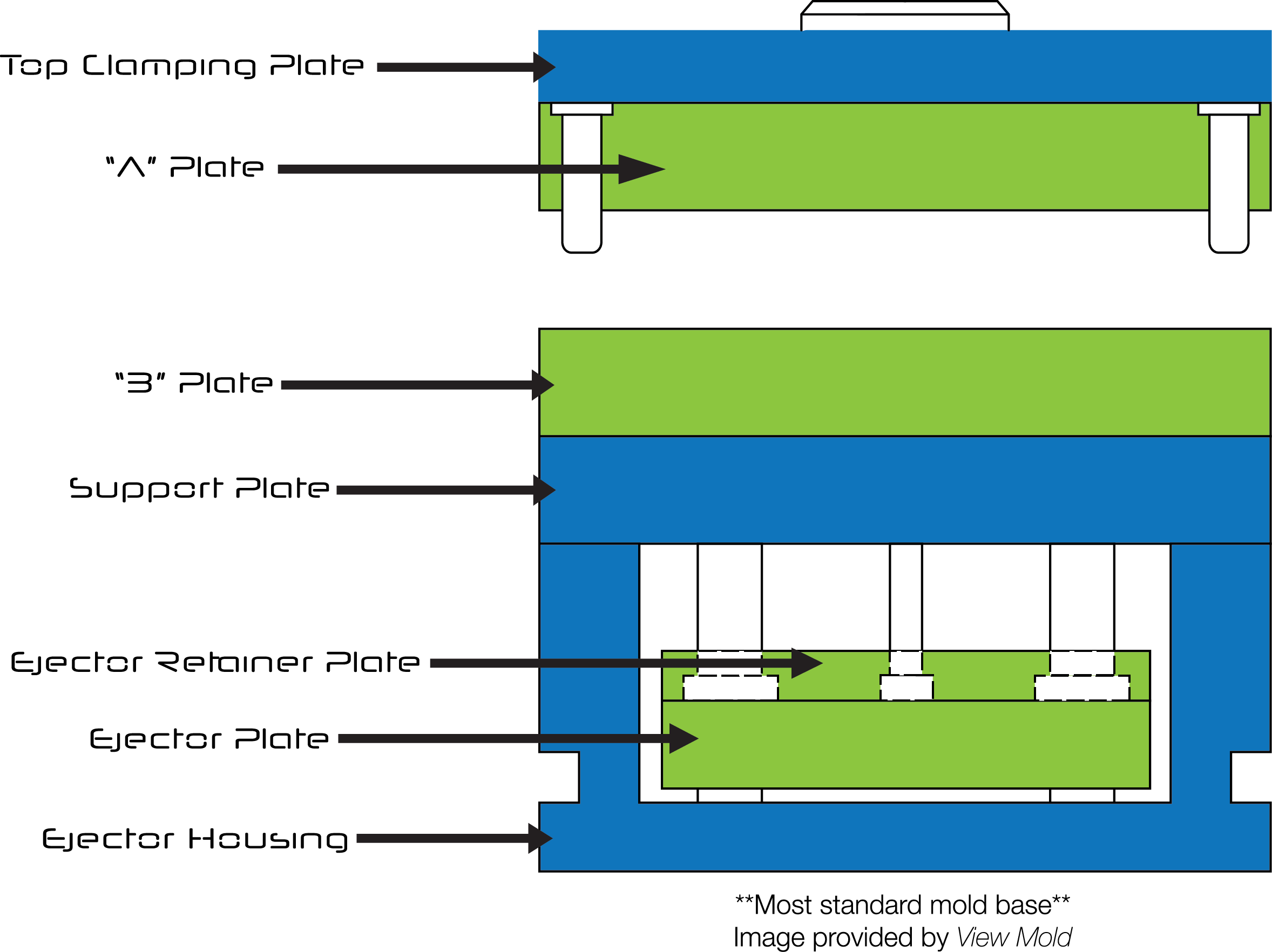
The push rod mechanism is an important part of the mold. It is used to eject the molded product from the mold cavity and promote the product to escape from the mold smoothly. This process is part of the mold opening. The push rod mechanism uses mechanical or hydraulic force to push the push rod to push the molded product out of the mold.
What is the push rod mechanism in the mold?
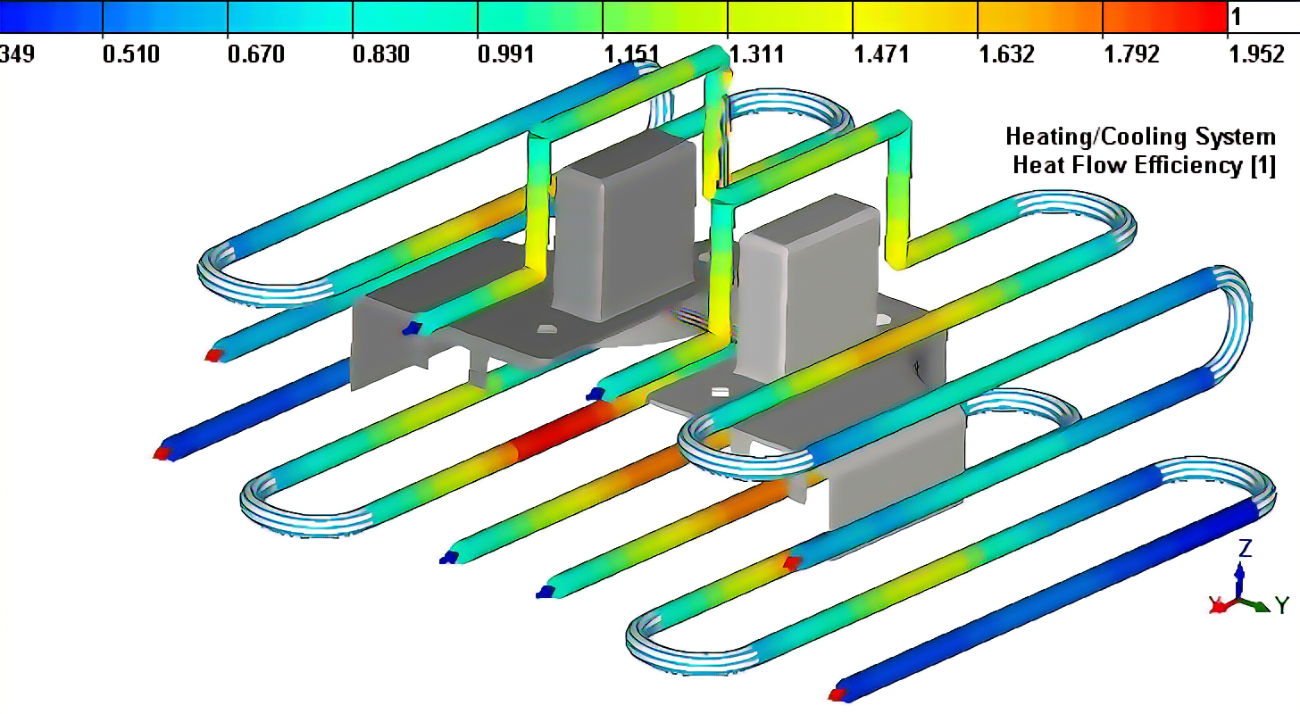
The cooling system in the mold is a system used to control the temperature of the mold. Its main purpose is to effectively cool the mold cavity and core during molding processes such as injection molding and die casting to ensure the quality of molded products and improve production efficiency. Cooling systems usually transfer and dissipate heat through media such as cooling water or cooling oil.
What is a cooling system in a mold?
SEND MESSAGE